How to Identify and Treat Japanese Beetle Infestations
The Forensic Autopsy of a Failing Canopy: Identifying the Japanese Beetle
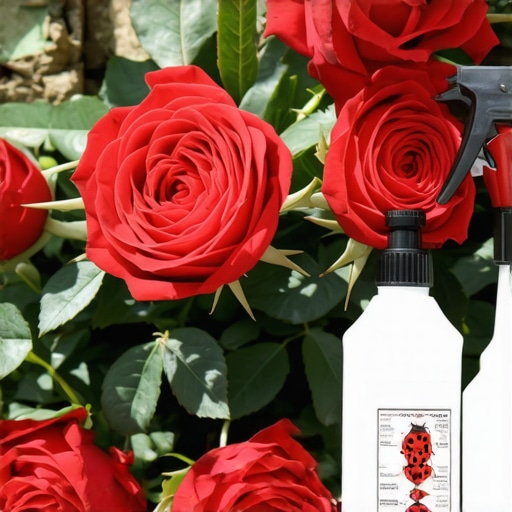
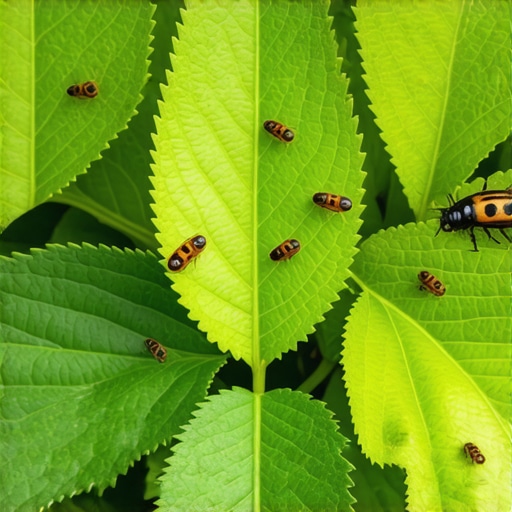
To identify a Japanese Beetle infestation, look for skeletonized leaves where only the veins remain, and clusters of metallic green beetles on foliage. For treatment, apply chlorantraniliprole in early summer to kill grubs before they emerge as voracious adults. I recently got called out to a property where a homeowner in a panic had completely torched their front lawn. They’d applied a heavy dose of ammonium sulfate trying to ‘burn’ the grubs out of the soil after seeing a few adults on their roses. Instead of killing the insects, they shifted the soil pH so radically that they locked out essential micronutrients, effectively mummifying their turf. This is what happens when you treat symptoms without understanding the biological life cycle of Popillia japonica. When we see skeletonized foliage, we aren’t just looking at aesthetic damage; we are looking at the systematic removal of a plant’s photosynthetic machinery. The beetles consume the interveinal tissue, leaving behind a lace-like structure that cannot process sunlight. It is a slow death for the plant’s energy reserves.
“Japanese beetle larvae, or white grubs, can cause significant damage to turfgrass by feeding on the root system, leading to moisture stress and eventual plant death.” – University of Kentucky Department of Entomology
The Anatomy of the Attack: Recognizing the Signs
Identification starts with the beetle itself. We’re talking about a 1/2-inch long insect with a metallic green head and copper-brown wing covers. If you look closely at the abdomen, you’ll see five small tufts of white hair along each side. Don’t confuse them with the common May beetle or the green June beetle; those are clumsy amateurs compared to the Japanese beetle. The damage is unmistakable. They start at the top of the plant and work their way down. Why? Because they follow the sun. They are highly active on warm, sunny days. If your garden design features roses, grapes, lindens, or Japanese maples, you have essentially built a five-star buffet for these pests. In the lawn care sector, we look for the secondary symptom: the white grub. If your turf feels spongy or if you can pull it up like a piece of old carpet, you’ve got a subsurface war happening. The grubs are down there chewing through the roots at the crown, severing the plant’s connection to its water source.
The Biological Failure: Why DIY Methods Often Backfire
Most homeowners head to the big-box store and buy those yellow pheromone traps. Stop doing that. You are effectively putting up a ‘Free Beer’ sign for every beetle in a five-mile radius. The traps do catch beetles, but they attract far more than they can trap, leading to increased damage on your landscaping. It’s a net loss. Another common failure is the misuse of ‘Milky Spore.’ While Paenibacillus popilliae is a great biological control, it is not an overnight fix. It takes three to five years to establish a colony in the soil capable of suppressing a population. If you have a high-pressure infestation today, Milky Spore won’t save your roses this season. You need a multi-tiered tactical approach that addresses both the adult flyers and the soil-dwelling larvae.
| Treatment Method | Target Phase | Effectiveness Speed | Professional Verdict |
|---|---|---|---|
| Pheromone Traps | Adults | Immediate (but attracts more) | Not Recommended |
| Neem Oil | Adults | Slow (Antifeedant) | Good for Organic Maintenance |
| Chlorantraniliprole (Acelepryn) | Grubs/Larvae | Preventative/Long-lasting | Gold Standard for Turf |
| Carbaryl (Sevin) | Adults | Immediate (Contact Kill) | Use Sparingly (High Pollinator Risk) |
| Beneficial Nematodes | Grubs/Larvae | Moderate (Requires Moisture) | Best Biological Option |
How do I get rid of Japanese beetles permanently?
Permanence in landscaping is a myth, but long-term suppression is achievable through a strict two-front strategy. First, treat the soil with preventative grub control like Acelepryn in late spring or early summer to stop the next generation. Second, replace susceptible host plants in your garden design with resistant species like Boxwood, Forsythia, or Hemlock to reduce the attraction of adult beetles to your property. If the food isn’t there, the beetles won’t stay. They communicate via aggregation pheromones; once a few beetles find a food source, they signal the rest of the swarm. Breaking this chemical communication early in the season is critical. Manual removal—literally knocking them into a bucket of soapy water in the early morning—is actually highly effective for small properties because it prevents the initial pheromone buildup.
What plants are most resistant to Japanese beetles?
Strategic landscaping involves selecting plants that the beetle’s mandibles find unpalatable or that lack the specific chemical cues they seek. If you are tired of the annual battle, prioritize planting Red Maple, Lilac, Holly, and Juniper. These species rarely suffer significant damage. On the flip side, if your hardscaping is surrounded by Hibiscus or Raspberry bushes, you are creating a high-maintenance zone. When we design high-end estates, we often use ‘decoy’ plants on the perimeter, but for most residential yards, the best defense is simply removing the attractant. A healthy plant can survive some defoliation, but a stressed plant in poor soil will succumb to the secondary infections that follow beetle damage.
“Japanese beetle traps often attract more beetles to the landscape than would have been there otherwise, increasing damage to nearby plants.” – USDA APHIS Program Manual
The Step-by-Step Remediation Process
- The Tug Test: Check your turf in late summer. If it lifts easily, count the grubs. More than 10 per square foot requires immediate intervention.
- Foliar Knockdown: Use a pyrethroid or neem-based spray on affected ornamentals during the peak of the 6-8 week adult flight season.
- Irrigation Management: Stop over-watering in July and August. Adult beetles prefer to lay eggs in moist, well-irrigated turf. Letting the lawn go slightly dormant can reduce egg survival.
- Mechanical Removal: Hand-pick beetles at dawn when they are lethargic. One beetle removed today is hundreds of eggs prevented tomorrow.
- Spring Aeration: Mechanically disrupting the soil can expose grubs to predators like birds, though it’s a minor control measure.
Maintaining the Perimeter: Long-Term Strategy
Once you’ve cleared the immediate threat, you have to manage the soil microbiology. Healthy soil with high organic matter supports beneficial nematodes (specifically Heterorhabditis bacteriophora) which naturally hunt down beetle larvae. If you over-apply synthetic fertilizers with high salt indexes, you kill these natural allies. You’re essentially firing your best unpaid workers. For the hardscaping areas, ensure your drainage is impeccable. Water-logged soil near patios and walkways creates the perfect incubation chamber for beetle eggs. We often see the worst grub damage right along the edges of concrete or stone paths because the thermal mass keeps the soil warm at night, accelerating larval development. Proper soil grading and the installation of French drains don’t just protect your foundation; they disrupt the beetle’s preferred nursery conditions. Don’t skip the details. It will rot. Your landscape is a living system, not a static decoration. If you treat it like a factory, the pests will always win.