Why You Should Ditch Your Traditional Lawn for Clover
The Chemical Nightmare: A $10,000 Lesson in Turf Failure
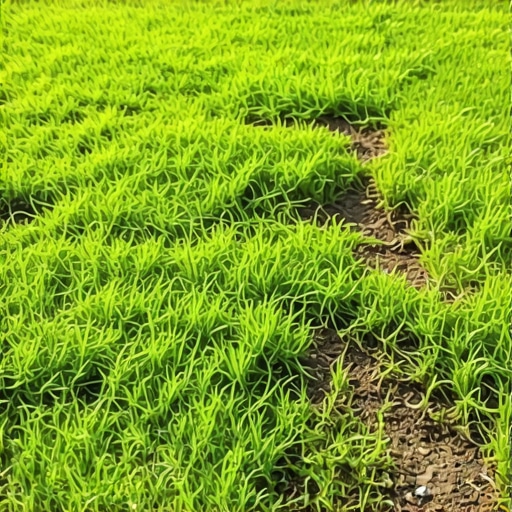
I recently got called out to a property where a homeowner had spent a small fortune on a sodded Kentucky Bluegrass lawn, only to watch it turn into a brown, crispy scab within six months. They called me in a panic after they completely torched their front lawn by applying a high-nitrogen ‘turf builder’ during a 90-degree heatwave without calibrating their spreader. The chemical burn was systemic; they had effectively salted their own earth. As I stood there looking at the shriveled blades and the cracked, lifeless soil, I pointed to a small, resilient patch of Microclover growing near the shade of an oak tree. It was the only thing alive. This is the reality of the monoculture trap. High-end turfgrass is a biological diva that demands constant pampering, while clover acts as a self-sustaining engine. If you are tired of being a slave to your spreader and your irrigation controller, it is time to understand the engineering behind the clover transition.
The Failure of High-Maintenance Monocultures
Traditional turfgrass lawns fail because they are an artificial ecosystem that requires constant synthetic inputs and intensive irrigation to maintain a state of arrested development. When you force a single species like Poa pratensis to grow in a high-density mat, you create a breeding ground for fungal pathogens and surface-dwelling insects that thrive in the thatch layer. It is a fragile system. One missed watering or one bad fertilizer application, and the whole structure collapses. Most ‘mow-and-blow’ hacks will just tell you to add more nitrogen. They are wrong. You are not feeding the plant; you are overstimulating it while starving the soil biology. Bluegrass has a shallow root system, rarely penetrating more than three inches into the profile. This makes it entirely dependent on the top layer of soil, which is the first to dry out and the first to overheat.
“A monoculture lawn is a biological desert that requires 10 times more water and chemicals than a diverse landscape to remain aesthetically viable.” – Agronomy Extension Manual
The Microscopic Reality of Nitrogen Fixation
Clover, specifically Trifolium repens, functions as a living fertilizer factory by utilizing Rhizobium bacteria to convert atmospheric nitrogen into a form that plants can actually use. This process, known as nitrogen fixation, occurs in small nodules on the clover’s roots. This is not just a ‘green’ alternative; it is an engineering solution to soil fertility. While your neighbor is dumping bags of 20-0-0 urea on their lawn—much of which leaches into the groundwater—your clover lawn is pulling nitrogen out of the air for free. This nitrogen is shared with any companion grasses, keeping the entire stand a deep, consistent green without the ‘spike and crash’ cycle of synthetic salts. It is a symbiotic relationship that repairs the soil food web rather than destroying it.
Comparing Turf Performance: Clover vs. Traditional Grass
The following table outlines the structural and maintenance differences between a standard Kentucky Bluegrass lawn and a modern Microclover blend. The data is based on regional evapotranspiration rates and standard agronomy metrics.
| Performance Metric | Kentucky Bluegrass | Microclover (Trifolium repens) |
|---|---|---|
| Nitrogen Requirement | High (3-5 lbs per 1000 sq ft) | Zero (Self-fixing) |
| Drought Tolerance | Low (Goes dormant at 80F+) | High (Taproot depth) |
| Root Architecture | Shallow Fibrous (2-3 inches) | Deep Taproot (6-12 inches) |
| Mowing Height | 2.5-3.5 inches | 1.5-3.0 inches |
| Pollinator Support | Zero (Wind pollinated) | High (Forage source) |
How much clover seed do I need per square foot?
For a complete transition, you should aim for 1 to 2 pounds of clover seed per 1,000 square feet if you are overseeding into an existing lawn. If you are starting from bare mineral soil, increase that rate to 2 to 3 pounds to ensure a dense stand that can outcompete opportunistic weeds. You must ensure seed-to-soil contact; simply throwing seed on top of a thick thatch layer is a waste of money. The seed will sit there and dry out. I tell my crews: if you don’t see the dirt, don’t drop the seed. Use a power rake or a dethatcher to clear the way first. It is a mechanical necessity.
The Engineering of Root Depth and Soil Compaction
Clover is a biological aerator that can penetrate compacted clay soils where traditional grass roots would simply hit a wall and turn sideways. Because white clover sends down a central taproot that can reach depths of 12 inches or more, it creates macropores in the soil. These pores allow oxygen and water to reach the subsoil, improving hydrostatic drainage and reducing surface runoff. When the clover root dies back and regenerates, it leaves behind organic matter deep in the profile. This increases the cation exchange capacity (CEC) of your soil over time. You are essentially using the plant to do the job of a mechanical aerator, but with better results and less fuel. I have seen clover thrive in heavy red clay that would choke a standard fescue blend in a single season. It is tough. It is resilient.
Does clover lawn attract bees?
Yes, clover produces flowers that are a primary nectar source for honeybees and native pollinators, but you can manage this through mowing frequency. If you want the benefits of clover without the bee activity, you can use Microclover varieties which produce fewer blooms, or simply mow the lawn more frequently during the flowering cycle to remove the heads. However, most homeowners find that the presence of beneficial insects is a sign of a healthy, functioning ecosystem. If you have children with allergies, stick to a regular mowing schedule during the peak of June and July to keep the clover in its vegetative state. It is a simple management fix.
The Installation Protocol: A Foreman’s Checklist
Success with a clover lawn is 80 percent preparation and 20 percent maintenance. Do not just scatter seed and hope for the best. Follow this professional installation protocol to ensure a 90 percent germination rate.
- Soil pH Test: Ensure your soil pH is between 6.0 and 7.0. Clover hates acidic soil. If you are below 6.0, apply calcitic lime at a rate determined by your soil test.
- Mechanical Dethatching: Use a power rake set to 1/4 inch depth to remove the dead organic mat. This exposes the soil.
- Seed Inoculation: Ensure your seed is pre-inoculated with Rhizobium bacteria. Without this, the nitrogen fixation process will not trigger correctly.
- Consistent Moisture: Water the area lightly twice a day for the first 14 days. The soil must stay damp. If it dries out during germination, the embryo dies. Don’t skip this.
- Mower Calibration: Once established, set your mower to 3 inches. Scalping clover will weaken the stolon system and allow weeds to move in.
“The physical structure of the soil is more important than the chemical composition; without pore space, there is no life.” – Penn State Agricultural Extension
The Long-Term Maintenance Cycle
Once your clover is established, your maintenance budget will drop significantly. You can stop buying pre-emergent herbicides because clover is allelopathic—it produces chemicals that inhibit the germination of certain weed seeds. You can stop buying high-analyte fertilizers. You can cut your water bill by 30 to 50 percent. The ‘settling in’ period takes about one full growing season. In year two, you will notice the soil tilth has improved. It will feel softer underfoot. It will look darker green. You won’t see the yellow patches after a dog urination because clover is resistant to the high urea concentration in pet waste. It is a practical, high-performance surface for real-world use. Stop chasing the impossible dream of a perfect, sterile grass carpet and start working with biology instead of against it. Your wallet and your soil will thank you. In this business, we call that a win-win.