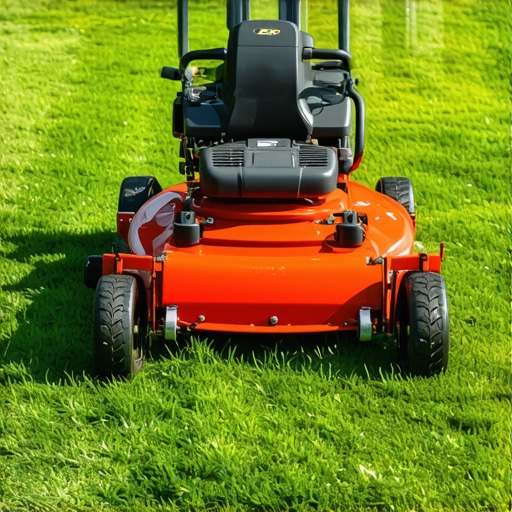
Stop Grass Scalping: 3 Mower Deck Adjustments for 2026
The Anatomy of a Butchered Lawn
The brown, ragged edges of a butchered lawn are not just an eyesore; they are a forensic record of mechanical failure and biological trauma. When a homeowner or a ‘mow-and-blow’ hack runs a mower too low, they aren’t just cutting grass—they are amputating the plant’s solar panels and exposing the delicate crown to lethal thermal stress. I have seen countless landscapes ruined because someone prioritized a ‘golf course look’ over the actual physiological needs of the turf. In 2026, as climate volatility increases, your margin for error is zero. Scalping leads to weed encroachment, soil moisture depletion, and eventual root death. It is the quickest way to turn an expensive lawn into a patch of dusty crabgrass.
A Chemical Nightmare in the Front Yard
A homeowner called me in a panic last season after they completely torched their front lawn by applying a high-nitrogen urea fertilizer followed immediately by a low-clearance mow in 95-degree heat. They had essentially forced the grass into a state of rapid, succulent growth with zero cell wall integrity, then came through with a dull blade at two inches. The result was a chemical and mechanical burn that reached the soil surface. The turf didn’t go dormant; it literally cooked. We had to excavate two inches of topsoil just to remove the salt accumulation and start over. It was a $12,000 mistake that could have been avoided with a simple wrench and a bit of botanical common sense.
1. Calibrate the Deck Level and Pitch
To prevent grass scalping, you must calibrate your mower deck to remove no more than one-third of the leaf blade in a single pass while ensuring the deck is parallel to the ground or slightly pitched forward. This adjustment ensures that the cutting plane remains consistent even as the mower moves over minor undulations in the soil. A deck that is tilted to one side will create ‘stair-stepping’ patterns, where one side of the swath is significantly shorter than the other, exposing the white, non-photosynthetic stems of the grass. This is not just a cosmetic issue; it’s a structural one.
“Mowing at the correct height is the most important cultural practice in lawn maintenance, as it directly affects the plant’s ability to photosynthesize and maintain a deep root system.” – Penn State Center for Turfgrass Science
Checking the level is a matter of physics and precision. First, ensure your tire pressure is identical across all four wheels. A 2 PSI difference can drop one side of the deck by a quarter-inch, which is enough to scalp a lawn. On a flat concrete surface, measure from the blade tip—not the deck shell—to the ground. The front tip of the blade should be roughly 1/8-inch to 1/4-inch lower than the rear tip. This is called ‘pitch’ or ‘rake.’ This creates a vacuum effect, lifting the grass blades upright before the cut. If the rear is lower, you get double-cutting and ‘shingling,’ which wastes fuel and shreds the grass. Do not ignore this. Precision matters.
2. Set Anti-Scalp Wheels for Undulating Terrain
Proper anti-scalp wheel height is set 1/4 to 1/2 inch below the blade level on flat ground, preventing the deck from digging into high spots or uneven terrain. These wheels are not meant to support the weight of the mower; they are intended to act as a physical buffer when the mower hits a rise in the land. If your wheels are touching the ground on a flat surface, they are too low and will wear out the bearings prematurely. If they are too high, they won’t engage when you crest a hill, and your blades will dive into the dirt. This is the primary cause of ‘balding’ on slopes.
[IMAGE_PLACEHOLDER]
How much modified gravel do I need for a patio base?
While this article focuses on turf, remember that hardscaping and lawn care are inextricably linked by drainage. For a standard patio, you need a minimum of 4 to 6 inches of compacted 21A or 3/4-inch modified gravel. If your mower is scalping the edges of your patio, it’s likely because the hardscape was not installed flush with the soil grade. Soil settles; stone doesn’t. You must maintain that transition zone to protect your mower blades and your pavers. If the transition is steep, you will scalp the grass every single time.
What is the best height for Kentucky Bluegrass in summer?
For Kentucky Bluegrass in the peak of summer, you should be cutting at 3.5 to 4 inches. High-cut grass shades the soil, reducing the germination of crabgrass seeds which require light to sprout. It also lowers the soil temperature by as much as 10 degrees. This reduces evapotranspiration, meaning you save money on water and your grass stays green longer during a drought. Anything lower than 3 inches in July is an invitation for fungus and heat stress. Don’t do it.
3. Inspect Spindle Integrity and Blade Sharpness
Maintaining a clean shear requires sharp blades and balanced spindles to ensure that the grass is cut cleanly rather than torn or hammered down. A torn grass blade has a jagged edge that increases the surface area for moisture loss and provides an entry point for pathogens like Rhizoctonia solani (Brown Patch). If you see a white or tan haze over the lawn a day after mowing, your blades are dull. You aren’t cutting; you’re beating the grass into submission. It’s pathetic. Sharpen your blades every 25 hours of use. No excuses.
“Removing more than one-third of the leaf surface results in a physiological shock to the root system, causing root hair die-off and reduced nutrient uptake.” – Texas A&M AgriLife Extension
Check your spindles for ‘play’ or wobbling. A bent spindle can cause the blade to dip lower at a specific point in its rotation, creating a rhythmic scalping pattern that is hard to diagnose if you aren’t looking for it. Use a torque wrench to ensure your blade bolts are to the manufacturer’s specification. A loose blade is a dangerous projectile and a guaranteed way to ruin your lawn’s level. Soil microbiology thrives when the plant is healthy. If you scalp the grass, you starve the microbes by cutting off the supply of root exudates. It’s a downward spiral.
| Grass Species | Ideal Cutting Height (Inches) | Scalp Risk Level | Drought Tolerance |
|---|---|---|---|
| Kentucky Bluegrass | 2.5 – 3.5 | High below 2″ | Medium |
| Tall Fescue | 3.0 – 4.0 | High below 2.5″ | High |
| Bermuda (Hybrid) | 0.5 – 1.5 | Moderate | Extreme |
| Fine Fescue | 2.5 – 4.0 | Very High | Low |
- Check tire pressure weekly; it is the foundation of a level cut.
- Always mow when the grass is dry to prevent ‘clumping’ and uneven deck loading.
- Vary your mowing pattern to prevent soil compaction and ‘rutting’ from mower wheels.
- Wash the underside of the deck to maintain the aerodynamic lift required for a clean cut.
- Never remove more than 1/3 of the height in one session.
Landscape management is not a hobby; it’s a discipline. If you treat your mower like a primitive tool, you’ll get primitive results. By adjusting your deck pitch, calibrating your anti-scalp wheels, and maintaining sharp blades, you are investing in the long-term biological health of your property. It’s about more than just aesthetics. It’s about engineering a living system that can survive the elements. Don’t be the person who kills their lawn because they were too lazy to use a ruler and a wrench. Do the work. The grass will follow.
![Fix Patchy Fescue: 3 Spring Seeding Rules [2026 Fix]](https://lawnmajesty.com/wp-content/uploads/2026/06/Fix-Patchy-Fescue-3-Spring-Seeding-Rules-2026-Fix.jpeg)