2026 Organic Fertilizer Guide for Green Lawns
The Forensic Autopsy of a Chemically Torched Lawn
Last spring, I walked onto a property where the turf looked like it had been hit by a localized wildfire. The homeowner, desperate for a fast green-up, had dumped three times the recommended rate of high-nitrogen synthetic pellets onto a fescue lawn during a 90-degree heatwave. Within forty-eight hours, the osmotic pressure had reversed; instead of the roots drinking water, the salt-heavy fertilizer sucked the moisture right out of the plant tissue. This wasn’t just a surface burn; it was a total collapse of the soil microbiology. When I took a soil probe sample, the earth was gray, compacted, and smelled like a swimming pool—devoid of the fungal networks and earthworms that drive a healthy lawn. We had to excavate two inches of topsoil just to find a baseline where new life could take hold.
The Critical Failure of Synthetic Nutrient Spikes
Synthetic fertilizers prioritize immediate nitrogen availability over long-term soil health, often leading to salt accumulation and the destruction of beneficial mycorrhizae. To fix a failing lawn, you must understand that nitrogen, phosphorus, and potassium (NPK) are only effective when the soil’s cation exchange capacity (CEC) allows for proper nutrient uptake without leaching into the groundwater. Stop chasing color; start building structure.
“Soil health is the capacity of a soil to function as a vital living ecosystem that sustains plants, animals, and humans.” – USDA Natural Resources Conservation Service
How much organic fertilizer do I need for my lawn?
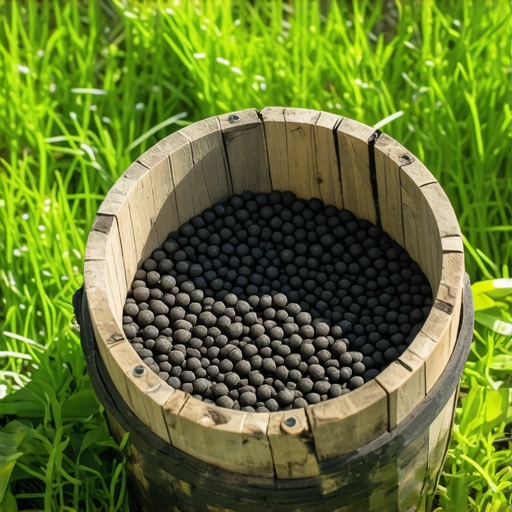
Calculating organic application rates requires measuring your square footage and knowing your soil’s existing nitrogen levels through a professional lab test. Unlike synthetics, organic amendments like milorganite, alfalfa meal, or feather meal have lower NPK percentages, typically requiring 10 to 20 pounds of product per 1,000 square feet to deliver one pound of actual nitrogen. Over-application of organics is harder to do than with synthetics, but excess phosphorus can still trigger runoff issues in local watersheds. Precision is mandatory. Don’t guess.
The 2026 Organic Nutrient Protocol: Biology Over Chemistry
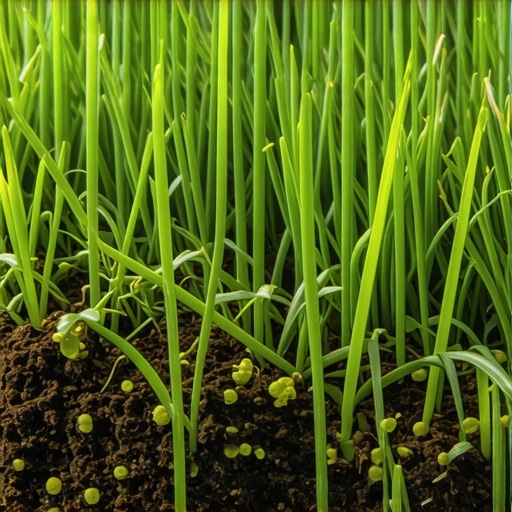
Organic lawn care focuses on feeding the soil microbes which then feed the grass, ensuring a steady, slow-release nutrient delivery system that prevents surge growth. By utilizing carbon-based fertilizers, we increase the organic matter percentage, which improves water retention and natural disease resistance in the turf canopy. This is the only way to survive extended drought cycles.
| Nutrient Source | Release Rate | Soil Impact | Best Use Case |
|---|---|---|---|
| Feather Meal | Slow (4-6 weeks) | Increases fungal activity | Spring Nitrogen boost |
| Bone Meal | Moderate | High Phosphorus for roots | New seeding/Sodding |
| Kelp Meal | Rapid (Trace) | Adds 70+ micronutrients | Heat stress recovery |
| Compost Tea | Instantaneous | Inoculates soil with life | Monthly maintenance |
When is the best time to apply organic lawn fertilizer?
The optimal window for organic application is when soil temperatures consistently hit 55 degrees Fahrenheit, as this is the threshold where soil microbes become active enough to mineralize organic matter into plant-available nutrients. For cool-season grasses, the heavy lifting is done in the fall—September and October—to build carbohydrate reserves in the root system. Spring applications should be light, aimed at steadying growth rather than forcing a massive mow-spike that weakens the plant’s structural integrity before the summer heat hits.
[image_placeholder_1]
Engineering the Sub-Surface: Grading and Drainage
Proper landscaping requires addressing hydrostatic pressure and soil grading to prevent water from pooling, which creates anaerobic conditions that rot grass roots. If your lawn is squishy forty-eight hours after rain, your soil compaction levels are too high, and no amount of fertilizer will save it. You need a 1% to 2% slope away from the foundation and potentially a French drain system using 1.5-inch washed river stone and 4-inch perforated HDPE pipe. Ground-up builds must prioritize the sub-base. It is the foundation of the entire ecosystem.
“A retaining wall doesn’t fail because of the stone; it fails because of the water trapped behind it.” – Hardscape Engineering Axiom
The 7-Step Transition to Organic Turf Management
Moving away from synthetic chemicals isn’t an overnight switch; it’s a three-year biological recalibration. Follow this checklist to ensure your turf doesn’t starve during the hand-off. It will take time. Be patient.
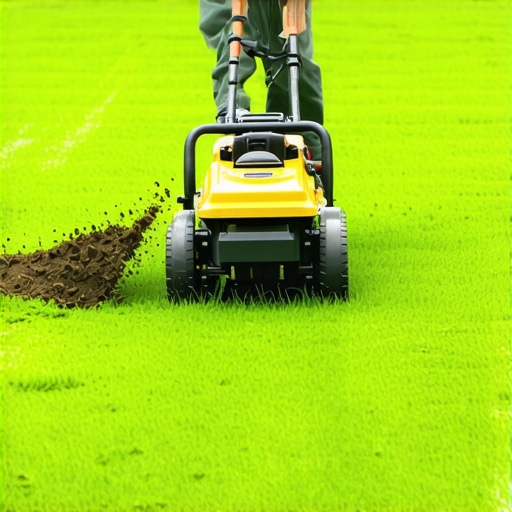
- Core Aeration: Pull 3-inch plugs to relieve compaction and allow oxygen to reach the rhizosphere.
- Soil Testing: Get a professional lab analysis for pH, CEC, and organic matter percentage.
- pH Adjustment: Use pelletized lime or elemental sulfur to hit the 6.5 to 7.0 sweet spot.
- Top-Dressing: Spread 1/4 inch of high-quality screened compost over the entire lawn.
- Overseeding: Introduce endophyte-enhanced turf-type tall fescue for natural pest resistance.
- Mow High: Keep your blade at 4 inches. This shades the soil and chokes out weed seeds.
- Microbial Inoculation: Apply humic acid and mycorrhizal fungi to jumpstart the decomposition of thatch.
Information Gain: The One-Inch Rule
While the internet tells you to water every day, turf grass actually needs deep, infrequent watering—exactly 1 inch per week—to force roots to chase the water down. Shallow daily watering creates a weak, surface-level root system that fries the moment the mercury rises. Use a rain gauge or a tuna can to measure your output. If your soil is heavy clay, split that inch into two half-inch sessions to prevent runoff. Avoid

![Stop 2026 Lawn Burn: 3 Mowing Height Rules [Tips]](https://lawnmajesty.com/wp-content/uploads/2026/05/Stop-2026-Lawn-Burn-3-Mowing-Height-Rules-Tips.jpeg)