
Stop 2026 Slugs from Eating Your Hostas
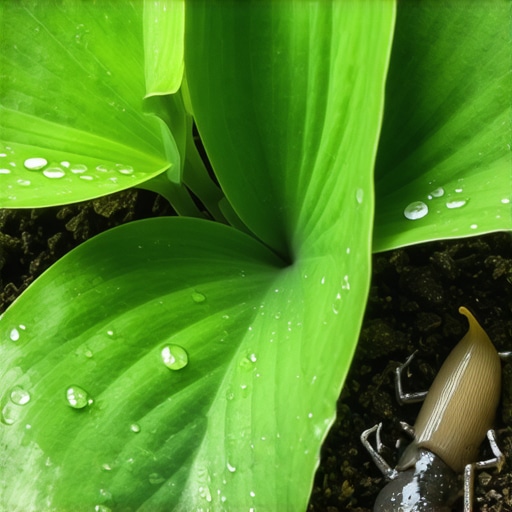
You walk out to your shade garden in the early morning and see it: the hostas you spent three years establishing look like they’ve been hit by a shotgun blast. The leaves are riddled with irregular holes, and a silver, dried-glue residue glints in the rising sun. This isn’t just a cosmetic issue; it is a systemic failure of your garden’s moisture management and soil biology. Slugs, specifically the Deroceras reticulatum (Gray Field Slug), are not just ‘pests’—they are biological indicators that your landscape design is holding too much stagnant water. To stop 2026 slugs, you have to stop thinking like a weekend gardener and start thinking like a horticultural engineer.
The Forensic Autopsy of a Compromised Hosta Bed
Identifying slug damage requires looking for irregular, jagged holes between the leaf veins and the presence of tell-tale desiccated slime trails. Unlike Japanese beetles that skeletonize leaves or caterpillars that start at the edges, slugs use a radula—a chitinous tongue with thousands of microscopic teeth—to rasp away at the soft tissue of the hosta leaf, usually starting from the underside or the tender center of a new shoot. If you see holes but no slime, you might be looking at hail damage or earwigs. If the slime is there, the battle is structural. I always drill into my new crew members: if you don’t fix the soil grading first, every plant you put in the ground is just expensive compost. I’ve seen million-dollar estates where the ‘award-winning’ designer planted Hosta ‘Sum and Substance’ right at the bottom of a heavy clay slope with no drainage. By June, the plants were nothing but stems. Why? Because that slope was a literal highway for gastropods. Slugs need 100% humidity to move efficiently. If your soil doesn’t drain, you are building a slug metropolis.
“Slug populations are directly tied to soil moisture and the presence of organic cover. Effective management requires reducing the habitat’s suitability through cultural practices before chemical intervention.” – Penn State Extension: Gastropod Management
Understanding the Biological Mechanics of the 2026 Slug Cycle
Slugs thrive in high-nitrogen environments with significant organic decay and consistent moisture levels above 70% in the top inch of soil. They are hermaphroditic, meaning every individual can lay up to 500 eggs per season. These eggs can remain dormant in the soil for years, waiting for the right moisture window. In 2026, we expect higher-than-average spring rainfall, which means the ‘overwintering’ eggs in your mulch will hatch in massive numbers.
“Slugs are most active when temperatures are between 50°F and 70°F and the environment is saturated. They can lose up to 50% of their body weight in water and survive, but they cannot travel across dry, abrasive surfaces.” – Agricultural Research Service Manual
How much modified gravel do I need for a drainage trench?
To redirect water away from hosta beds, you need a trench approximately 12 inches deep and 8 inches wide, filled with 3/4-inch clean crushed stone (not pea gravel) to allow for maximum interstitial space. This prevents the standing water that slugs crave. A standard 10-foot trench requires roughly 0.25 cubic yards of stone.
The 2026 Integrated Pest Management (IPM) Protocol
Stopping slugs requires a multi-layered defense strategy including copper barriers, iron phosphate applications, and a shift from overhead watering to drip irrigation. Most homeowners make the mistake of using beer traps. Let’s be clear: beer traps are for amateurs. They use yeast to attract slugs, but the ‘effective radius’ is less than three feet. All you’re doing is inviting the neighborhood slugs to a party in your hosta bed. Instead, focus on the ‘Hardscape Solution.’ We use 1-inch copper foil tape on the rim of high-end planters or buried 2 inches deep around the perimeter of the bed. When a slug touches copper, it creates a biochemical reaction similar to an electric shock. It won’t kill them, but they won’t cross it. Period.
Do eggshells really stop slugs in hostas?
The short answer is no; eggshells are a garden myth that won’t survive a 20-year veteran’s inspection. While sharp, the slime of a slug is thick enough to allow them to crawl over a razor blade without injury. For a real physical barrier, you need Diatomaceous Earth (DE) or specialty grit, but even DE fails the moment it gets wet. In a rainy 2026 spring, DE is useless.
| Control Method | Efficacy Rating | Longevity | Horticultural Impact |
|---|---|---|---|
| Beer Traps | Low | 2-3 Days | Attracts more pests; messy |
| Iron Phosphate (Sluggo) | High | 2-4 Weeks | Safe for pets; enriches soil phosphorus |
| Copper Barriers | Very High | Permanent | High initial cost; zero chemical runoff |
| Drip Irrigation | Extreme | Permanent | Reduces fungal disease; starves slugs |
Advanced Cultural Controls: The Foreman’s Checklist
Stop using ‘mow-and-blow’ tactics. If you are piling 4 inches of dyed hardwood mulch against the crown of your hostas, you are creating a ‘mulch volcano’ that serves as a five-star hotel for slugs. Follow this checklist instead:
- Remove the Duff: In early March, scrape away all dead hosta leaves from the previous year. This is where the eggs are hiding.
- Expose the Crown: Ensure the root flare of the hosta is at grade, not buried. Buried crowns rot and attract slugs.
- Switch to Pine Bark Nuggets: Slugs hate the sharp edges of pine bark compared to the soft, moisture-retaining shredded hardwood.
- Water at 4:00 AM: If you must use sprinklers, do it before dawn so the sun dries the foliage quickly. Never water at 6:00 PM.
The Hardscape Angle: Using Grade to Your Advantage
Slugs are lazy. They move via muscular waves on a layer of mucus. They hate inclines and they hate dry ‘hot zones.’ If your hostas are in a depression, you’ve already lost. We often recommend ‘mounding’ hosta beds—creating a raised area 6-8 inches above the surrounding lawn using a mix of 60% topsoil, 30% compost, and 10% coarse sand. This creates internal drainage. If the water moves through the soil quickly, the surface stays dry. A dry surface means no slugs. It’s simple physics. Don’t buy a $50 bag of chemicals when a $20 shovel and some sweat can fix the grade. That’s the difference between a contractor and a hack.

![Stop Watering Hostas at Night (Do This Instead) [2026]](https://lawnmajesty.com/wp-content/uploads/2026/06/Stop-Watering-Hostas-at-Night-Do-This-Instead-2026.jpeg)