Stop 2026 Scale Insects on Your Fruit Trees
The Reality of Scale Infestations in Modern Landscaping
Scale insects are not just a nuisance; they are a structural threat to your fruit trees and the overall health of your garden design. To stop 2026 scale insects, you must implement a rigorous integrated pest management strategy that includes dormant oils, systemic insecticides, and mechanical pruning techniques to disrupt their life cycle before the spring crawler phase begins.
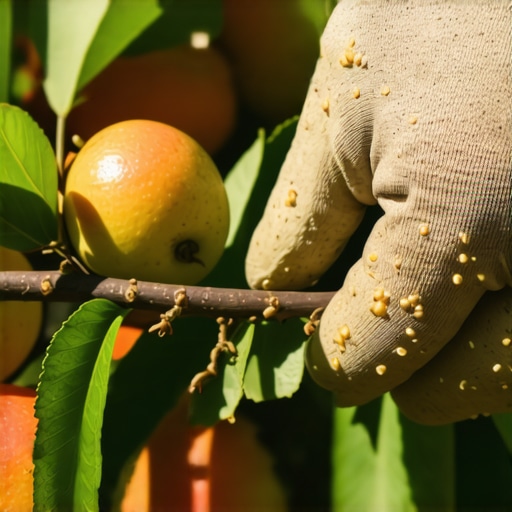
I always drill into my new crew members: if you don’t fix the soil grading and root environment first, every plant you put in the ground is just expensive compost. Last week, I had an apprentice standing right in front of a 15-year-old Santa Rosa Plum. He didn’t even see the infestation. He thought the branches just had ‘rough bark.’ I had to take my pocket knife and scrape off a patch of San Jose scale to show him the bright yellow, living tissue underneath those waxy, grey shields. If you can’t identify the enemy at the microscopic level, you have no business charging for landscaping services. You have to look past the leaves. You have to see the hydrostatic pressure of the sap and the vascular system the insects are draining.
“A retaining wall doesn’t fail because of the stone; it fails because of the water trapped behind it. Similarly, a tree doesn’t succumb to scale because of the bug; it fails because of the physiological stress that allowed the bug to take hold.” – Hardscape Engineering Axiom and Arboricultural Addendum
Understanding the Biological Mechanics of Scale
Controlling scale insects requires understanding their morphology and the specific instar stages of their development within your hardscaping environment. These pests are hemipterans that use piercing-sucking mouthparts to penetrate the phloem of the tree, effectively hijacking the plant’s nutrient distribution system and causing branch dieback.
There are two primary categories you need to worry about: soft scale and armored scale. Soft scales (like the Calico scale) produce honeydew, a sticky byproduct that leads to sooty mold. Armored scales (like the Euonymus or San Jose scale) are much tougher. They build a hard, proteinaceous shield over their bodies that is nearly impervious to contact sprays. If you miss the crawler window—the few days in late spring when the nymphs move to find a permanent home—you are essentially trying to spray a brick wall. It won’t work. You have to be precise. You have to be clinical.
How do I identify scale on my fruit trees?
To identify scale insects, look for small, immobile bumps on fruit tree bark or leaves that do not resemble the natural lenticels of the wood. These pests often appear as waxy deposits or crusty buildup, and scraping them with a fingernail should reveal a soft, moist insect body beneath the protective cover.
| Scale Type | Key Characteristic | Control Method |
|---|---|---|
| Armored Scale | Hard, detachable cover; no honeydew produced. | Dormant oil (3%) in late winter. |
| Soft Scale | Waxy film attached to body; produces sticky honeydew. | Systemic neonicotinoids or summer oils. |
| Mealybugs | Unarmored, cottony appearance; highly mobile. | Insecticidal soaps and predator release. |
The Engineering of Soil and Tree Stress
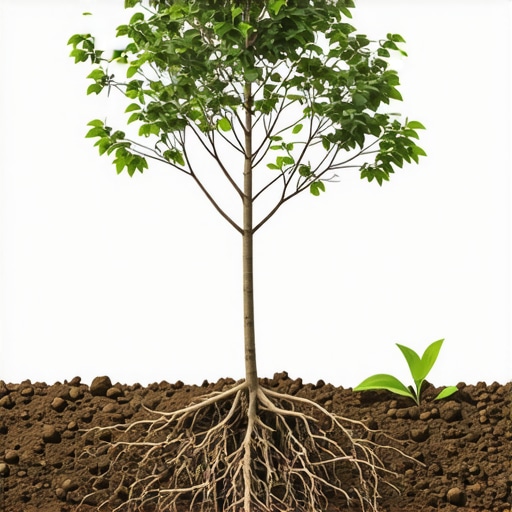
Successful lawn care and landscaping depend on the soil pH and compaction levels surrounding the root flare of your fruit trees. Trees planted in heavy clay or near hardscaping with poor drainage suffer from root hypoxia, which triggers the release of ethanol and other volatiles that actually attract scale insects and borers.
Don’t skip the soil test. If your soil is compacted to more than 300 PSI, the roots can’t penetrate. This limits the tree’s ability to uptake the very water it needs to produce the sap pressure required to fight off piercing insects. I see ‘pros’ all the time piling mulch volcanoes against the trunk. It will rot. That moisture against the root flare creates a highway for pathogens. Instead, keep mulch 3 inches away from the trunk. Use a French drain if you have standing water near your orchard. Engineering the environment is 80% of the battle.
When is the best time to spray for scale?
The most effective time to spray for scale insects is during the dormant season (late winter) and again during the crawler emergence period in late May or June. Using a degree-day model allows landscaping professionals to predict exactly when nymphs will hatch based on local ambient temperatures and heat accumulation.
“Successful management of scale requires an understanding of the specific species’ life cycle, as the timing of the crawler stage varies significantly between armored and soft scale groups.” – Penn State Agricultural Extension
The 2026 Eradication Protocol: Step-by-Step
Stopping 2026 scale starts in the fall of 2025 by reducing environmental stressors and preparing the vascular system for treatment. Follow this maintenance schedule to ensure your garden design remains intact and your fruit production is not compromised by pest pressure.
- Step 1: Structural Pruning. Remove heavily infested ‘mother’ branches where scale colonies are thickest. This reduces the spring crawler population by 40-60% immediately.
- Step 2: Dormant Oil Application. In February, apply a Superior oil at a 3% concentration. This coats the overwintering females and suffocation ensues. Use a high-pressure sprayer to ensure the oil penetrates every bark crevice.
- Step 3: Monitoring Crawlers. Wrap double-sided yellow tape around branches in May. When you see tiny orange or yellow dots stuck to the tape, that is your 48-hour window to strike.
- Step 4: Soil Health Injection. Apply a low-nitrogen, high-potassium fertilizer to strengthen cell walls. Avoid high nitrogen, as it creates ‘soft’ growth that scale insects love.
Maintenance and Long-Term Orchard Health
The landscaping industry is full of people looking for a quick fix in a bottle. There isn’t one. If you want a productive orchard in 2026, you have to commit to deep, infrequent watering—exactly 1 inch per week—to force roots to chase the water down into the subsoil. This builds a resilient tree. Also, pay attention to your hardscaping. If you have a paver patio reflecting heat onto a young peach tree, you are increasing the transpiration rate and inviting spider mites and scale. Move the tree or provide afternoon shade. This isn’t just gardening; it’s biological engineering. Keep your tools sharp, your soil aerated, and your eyes on the bark. That is how you win.