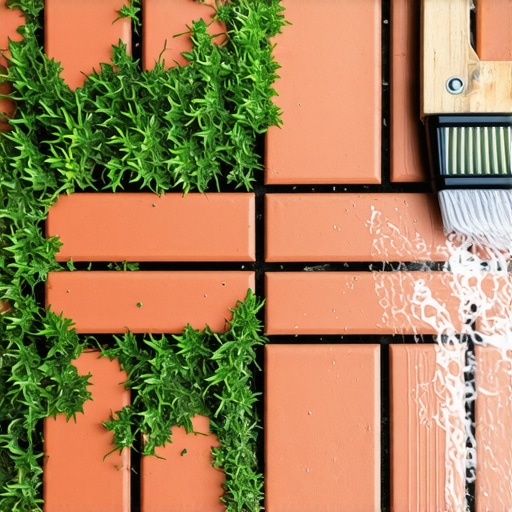
How to Clean 2026 Moss Off Your Brick Path
I recently got called out to tear up a $30,000 patio that was sinking because the previous contractor failed to account for hydrostatic pressure and used a standard sand base in a high-moisture zone. The entire surface was a carpet of thick, slick moss. Most people see green and think it is a cosmetic issue. I see a failure of engineering. Moss is not just an eyesore; it is a symptom of a drainage deficit. When you see moss growing on your 2026 brick path, you are looking at a biological indicator that your hardscape is retaining water in places where it should be shedding it. Cleaning it requires more than a garden hose. It requires a chemical and structural intervention to restore the integrity of the installation. Don’t skip the prep work. Every minute you spend cleaning without addressing the cause is wasted effort.
Understanding the Biology of Moss Infestation on Hardscapes
Cleaning 2026 moss from a brick path requires an understanding of bryophytes and their rhizoids, which anchor into the porous surface of the clay brick and polymeric sand joints. Unlike vascular plants, moss absorbs moisture through its leaves and thrives in low-light, high-moisture environments where the soil pH or surface pH is slightly acidic. This growth indicates that your hardscaping is failing to dry out completely between rain cycles, likely due to compaction in the base layer or inadequate grading that prevents surface runoff. If left unchecked, the rhizoids can cause micro-pitting in the brick, leading to premature spalling and structural degradation of the entire path.
The Capillary Action Problem
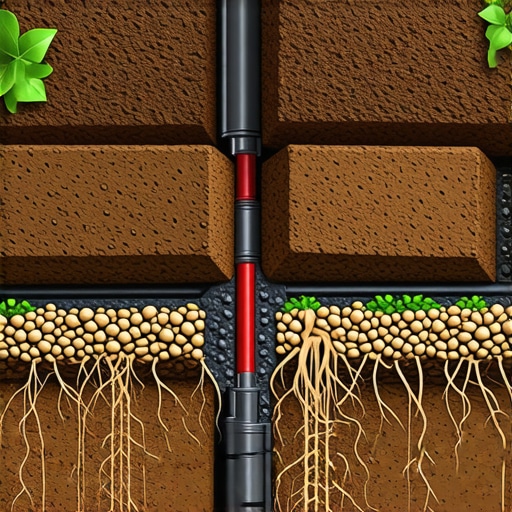
Brick is essentially a hard sponge. Through capillary action, moisture is pulled from the wet crushed stone base up through the paver and into the moss colony. If your path was built without a proper vapor barrier or drainage tile, you are fighting an uphill battle against hydrostatic pressure. The moss is just the tip of the iceberg. You need to kill the spores at the cellular level or they will return within thirty days of your cleaning efforts.
[IMAGE_PLACEHOLDER]
Chemical Remediation vs. Mechanical Abrasion
The most effective way to clean moss is a dual-phase approach that combines chemical desiccation with low-pressure mechanical removal to protect the brick integrity. Using a pressure washer at high PSI settings (above 2500) will strip the fines from the joint sand and can actually open the pores of the brick, making it even more susceptible to future moss growth and efflorescence. Instead, we use a sodium percarbonate solution or a proprietary quaternary ammonium compound that targets the chlorophyll without altering the pH of the surrounding landscaping or turf grass. This is the professional standard for high-end garden design maintenance.
| Agent | Concentration | pH Level | Impact on Brick Path |
|---|---|---|---|
| White Vinegar | 5 to 10 percent | 2.5 | Highly acidic; can etch soft clay bricks |
| Sodium Percarbonate | 1 pound per gallon | 10.5 | Safe; oxygenates the surface and lifts spores |
| Pressure Washing | 1500 PSI | 7.0 | Effective if used with a 40 degree nozzle tip |
| Bleach (SH) | 3 percent mix | 12.5 | Effective but can discolor dark pavers |
“A retaining wall or brick path doesn’t fail because of the stone; it fails because of the water trapped behind or beneath it.” – Hardscape Engineering Axiom
How do I remove moss from brick without damaging the mortar?
To remove moss without damaging mortar joints or polymeric sand, you must use a soft-bristle scrub brush and a neutral pH cleaner specifically formulated for masonry. Avoid muriatic acid or high-pressure nozzles which can scour the cementitious binder out of the mortar, leading to joint failure and paver movement. Always saturate the brick with clean water first to prevent the cleaning solution from soaking too deeply into the brick core. This protects the internal structure while allowing the chemical agent to sit on the surface growth. Scrub in a circular motion to lift the moss mats from the brick face.
The Professional Cleaning Protocol: Step-by-Step
Step one is always mechanical pre-clearance: use a flat-head shovel or a stiff broom to scrape away the thickest moss mats while the surface is bone dry. Do not add water yet; wet moss is a slurry that is much harder to manage. Once the bulk is removed, apply your biocide. Let it dwell for at least 20 minutes but do not let it dry on the surface. Re-wet as needed. Use a 15-degree fan tip on a pressure washer held at least 12 inches away from the surface to rinse. The goal is to flush the micro-spores out of the crevices. It will rot if you leave any organic material behind. Don’t skip the rinse. Follow this checklist for a professional finish:
- Clear the perimeter: Move all garden furniture and potted plants to avoid chemical overspray.
- Dry Scraping: Remove the top layer of moss using a wire brush for tough spots.
- Chemical Application: Apply a sodium percarbonate mix using a pump sprayer.
- Dwell Time: Allow the solution to bubble and lift the organic matter for 20 minutes.
- Low-Pressure Rinse: Use a wide fan spray to clear the debris without pitting the brick.
- Re-Sanding: Once dry, sweep in new polymeric sand to fill any voids in the joints.
What is the best cleaner for moss on pavers?
The best cleaner for moss on pavers in 2026 is an oxygen-based bleach (sodium percarbonate) because it breaks down into oxygen, water, and soda ash, making it safe for lawn care and perennial gardens. Unlike chlorine bleach, it does not strip the pigment from concrete pavers or clay bricks. For heavy infestations, professionals use Benzalkonium Chloride, which leaves a residual barrier that prevents spore germination for up to 12 months. This is technical wisdom: cleaning the moss is 50 percent of the job; preventing the re-colonization is the other 50 percent.
“Surface moisture duration is the primary factor in bryophyte establishment on non-porous substrates.” – University of Maryland Extension Office
Preventing Future Growth through Engineering
To prevent moss from returning to your brick path, you must address the environmental triggers of shade, moisture, and organic debris accumulation. This often involves tree canopy thinning to increase UV penetration and air circulation, as well as re-grading the adjacent lawn to ensure positive drainage away from the hardscape. If the path remains constantly damp, consider installing a French drain or a parallel trench drain to intercept subsurface water before it reaches the brick base. Proper landscaping maintenance is not just about mowing; it is about water management. Adjust your irrigation heads to ensure they are not overspraying the bricks. One inch of water per week is for the turf grass, not the patio.
{“@context”:”https://schema.org”,”@type”:”Article”,”headline”:”How to Clean 2026 Moss Off Your Brick Path”,”author”:{“@type”:”Person”,”name”:”Veteran Hardscape Foreman”},”datePublished”:”2025-05-15″,”publisher”:{“@type”:”Organization”,”name”:”Master Landscaper Engine”},”articleBody”:”A comprehensive guide to removing moss from brick paths using professional horticultural and engineering techniques, focusing on chemical remediation and structural prevention.”},{“@context”:”https://schema.org”,”@type”:”HowTo”,”name”:”Cleaning Moss from Brick Paths”,”supply”:[{“@type”:”HowToSupply”,”name”:”Sodium Percarbonate”},{“@type”:”HowToSupply”,”name”:”Polymeric Sand”}],”tool”:[{“@type”:”HowToTool”,”name”:”Pressure Washer”},{“@type”:”HowToTool”,”name”:”Stiff Broom”}],”step”:[{“@type”:”HowToStep”,”text”:”Scrape away dry moss mats using a broom or shovel.”},{“@type”:”HowToStep”,”text”:”Apply a sodium percarbonate solution to the surface.”},{“@type”:”HowToStep”,”text”:”Rinse with a low-pressure fan spray after 20 minutes.”},{“@type”:”HowToStep”,”text”:”Re-fill joints with polymeric sand once the path is fully dry.”}]}
![Stop Killing 2026 Lavender: Drainage Rules [Zone 8]](https://lawnmajesty.com/wp-content/uploads/2026/06/Stop-Killing-2026-Lavender-Drainage-Rules-Zone-8.jpeg)