Building a 2026 Backyard Movie Screen Frame
The Foundation of Outdoor Entertainment
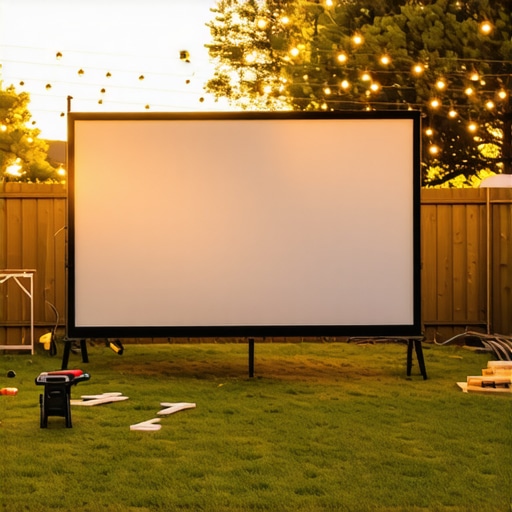
Building a 2026 backyard movie screen frame requires 4×4 or 6×6 pressure-treated timber or galvanized steel posts anchored in concrete footings below the local frost line. Proper structural engineering prevents wind-induced failure and ensures long-term landscape integration without compromising drainage or turf health. Most homeowners underestimate the shear force of a 12-foot screen during a summer gust. I recently got called out to tear up a $30,000 patio that was sinking because the previous contractor tried to anchor a massive movie frame directly into the pavers without a dedicated sub-surface footer. The weight and the wind-lever effect had literally lifted the 2-inch modified gravel base, cracking the polymeric sand joints and causing a 3-inch dip where water now pools. It was a complete hardscape autopsy. The failure wasn’t the stone; it was the lack of understanding of hydrostatic pressure and structural load distribution. If you don’t dig deep enough, the earth will eventually spit your project back out.
How deep should footers be for a backyard movie screen?
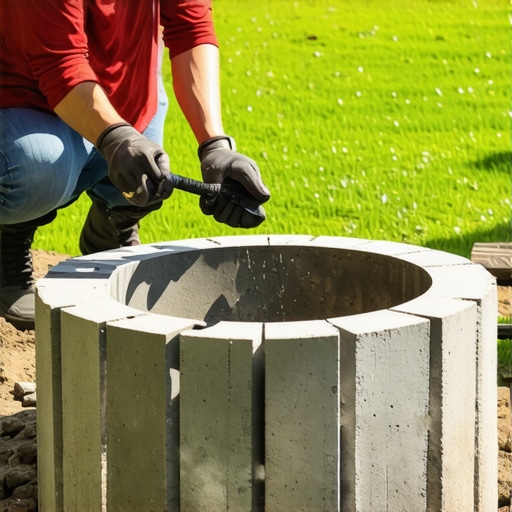
Footers for a permanent outdoor movie frame must extend at least 12 inches below the local frost line, typically totaling 36 to 48 inches in depth to resist frost heave and wind-load torque. In areas with high clay content, use a sonotube to ensure a smooth surface that prevents soil from ‘grabbing’ the concrete.
“A retaining wall doesn’t fail because of the stone; it fails because of the water trapped behind it.” – Hardscape Engineering Axiom
Analyzing Soil Mechanics and Compaction
Before you even touch a post-hole auger, you have to understand what you are digging into. If you have heavy red clay, you are dealing with high water retention and massive expansion/contraction cycles. Sandy loam offers better drainage but lacks the sheer ‘grip’ for a shallow post. For a screen frame that stands 10 feet tall, the post acts as a lever. Every pound of wind pressure at the top is magnified at the base. I require my crews to use a 3-to-1 ratio: for every 3 feet above ground, at least 1 foot should be below ground, plus the frost line requirement. Don’t just dump dry concrete mix into a hole and spray it with a hose. That is a hack move that leads to ‘honeycombing’ in the concrete, leaving it brittle and porous. Mix your concrete to a 3-inch slump in a wheelbarrow first. This ensures the chemical bond is uniform.
Materials: Why Marine-Grade Trumps Big Box Pine
Selecting the right structural materials involves choosing Ground Contact (UC4B) rated lumber or powder-coated steel to prevent sub-surface rot and corrosion. Avoid standard big-box 4x4s, which are often heart-center cuts prone to severe twisting and bowing as they dry out in the sun.
| Material Type | Structural Integrity | Service Life | Primary Failure Mode |
|---|---|---|---|
| UC4A Treated Pine | Moderate | 10-12 Years | Warping/Ground Rot |
| UC4B Heavy Duty Pine | High | 20-25 Years | Surface Checking |
| Galvanized Steel | Extreme | 40+ Years | Joint Oxidation |
| Western Red Cedar | Moderate | 15 Years | Softening at Soil Line |
What is the best material for an outdoor movie screen frame?
The best material for a durable movie screen frame is galvanized steel square tubing or UC4B pressure-treated timber capped with aluminum flashing. These materials withstand UV degradation and moisture infiltration, ensuring the frame remains plumb and square for optimal 16:9 screen tensioning.
Integrating the Screen Frame into Your Hardscape Design
A backyard movie screen should be treated as a permanent architectural element, requiring seamless integration with existing patios, retaining walls, and drainage systems. Ensure the frame’s placement does not interrupt surface runoff or create a dead zone in your turf irrigation coverage.
“The stability of any outdoor structure is inversely proportional to the moisture content of the load-bearing soil.” – Civil Engineering Handbook for Residential Landscapes
The Micro-Climate Factor
If you are building this in a region with high humidity, like the Southeast, you need to worry about fungal growth on the screen material itself. I tell my clients to design the frame with a ‘removable’ track system. The frame stays, but the fabric comes down. If you leave a PVC or vinyl screen out all winter, the freeze-thaw cycles will make it as brittle as a potato chip. In 2026, we are seeing more requests for ‘blackout’ powder-coated finishes that disappear into the shadows at night. This is a design choice, but also a maintenance one. Darker colors hide the inevitable organic staining from tree sap and bird droppings.
Managing Turf Health Around Permanent Structures
High-traffic areas around a movie screen often suffer from soil compaction, leading to oxygen deprivation in the root zone and turf thinning. Implement a core aeration schedule and consider hardscape borders like river rock or decomposed granite to prevent lawn scalping near the posts. One of the biggest mistakes I see is people planting grass right up to the post. Your weed whacker will eventually chew through the wood’s protective treatment or scratch the steel’s powder coating. Use a 12-inch ‘buffer zone’ of stone or mulch. This protects the structure and gives you a clean line for your mower.
Post-Installation Checklist
- Verify post-verticality with a 4-foot level on two axes.
- Ensure concrete footings are sloped away from the post for water shedding.
- Apply a high-quality oil-based stain to wood within 30 days of installation.
- Check all lag bolts for torque after the first 60 days of seasonal expansion.
- Install a French drain if the frame sits at the bottom of a grade.
It will rot if you don’t manage the water. Don’t skip the drainage. Every project I’ve had to fix failed because the guy before me thought ‘it’s just a screen.’ It’s not. It’s a 150-pound sail bolted to the earth. Treat it with that respect, or you’ll be hiring me to dig it out in three years.