The trick to growing grass in deep shade
I always drill into my new crew members: if you don’t fix the soil grading and light penetration first, every blade of grass you put in the ground is just expensive compost. I have seen guys spend four figures on premium shade-tolerant seed and high-end topsoil only to watch it rot into a muddy slime by July. Why? Because they ignored the biological reality of photosynthesis. Grass is a factory, and sunlight is its fuel. If you starve the factory, it shuts down. Growing grass in deep shade isn’t about luck; it is about managing the microscopic environment of the root zone and maximizing the meager light that actually hits the deck.
The forensic autopsy of a failed shade lawn
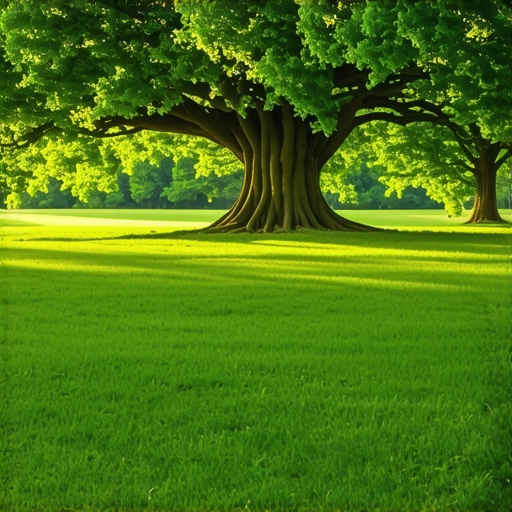
To fix a failing shade lawn, you must address the critical trifecta of limited sunlight, poor air circulation, and fierce root competition from canopy trees. Most homeowners see a bare patch under an oak tree and throw more seed at it, but the failure usually stems from acidic soil pH and a lack of oxygen in the root zone. You cannot out-fertilize a lack of light. We have to look at the soil structure and the specific cultivars being used. If you are using Kentucky Bluegrass in a spot that gets less than four hours of light, you are throwing money into a furnace. Bluegrass is a sun-glutton. It will fail. Every time.
“How much sunlight does shade-tolerant grass actually need?”
For most cool-season grasses labeled as shade-tolerant, the absolute minimum is four hours of dappled sunlight or two hours of direct, unfiltered sun. When light levels drop below this threshold, the plant cannot produce enough carbohydrates to maintain its cell walls. This leads to “spindly” growth—long, thin blades that have no structural integrity. It will die. If you have zero light, you don’t have a lawn; you have a moss garden or a mulch bed. Know the difference before you dig.
“Turfgrasses growing in shade have thinner leaves, lower shoot density, and shallower rooting than grasses grown in full sun, making them more susceptible to environmental stresses.” – Penn State Center for Turfgrass Science
The soil chemistry of the shade zone
Success in shaded turf management requires maintaining a soil pH between 6.2 and 6.8 and reducing nitrogen applications to prevent succulent, disease-prone growth. In deep shade, especially under pines or large oaks, the soil tends to trend toward the acidic side of the scale. High acidity locks up micronutrients. If your pH is 5.5, your grass is literally starving regardless of how much fertilizer you dump on it. We use pelletized lime to bring that number back into the sweet spot, but only after a professional soil test. Do not guess. You will burn the lawn.
| Grass Type | Min. Sun Hours | Drought Tolerance | Traffic Durability |
|---|---|---|---|
| Hard Fescue | 3-4 | High | Low |
| Chewings Fescue | 2-4 | Medium | Medium |
| Creeping Red Fescue | 3-5 | High | Low |
| Tall Fescue (Turf Type) | 4-6 | High | High |
The contrarian truth about mowing and water
Most internet gurus tell you to water every day in the shade because the trees are sucking the ground dry. They are wrong. In deep shade, evaporation rates are significantly lower. If you water every day, you create a fungal petri dish. The trick is deep, infrequent watering—exactly 1 inch per week—applied in the early morning to allow the blades to dry before nightfall. Furthermore, you must mow higher. I set my decks to 4 inches for shaded areas. You need every millimeter of surface area on those blades to catch whatever photons are filtering through the canopy. Short grass in the shade is dead grass.
“What is the best fertilizer for grass in the shade?”
In shaded environments, you must use a low-nitrogen, high-potassium fertilizer (something like a 10-0-20 NPK ratio) to strengthen cell walls without forcing rapid, weak growth. High nitrogen in the shade is a death sentence. It forces the plant to spend its limited energy on leaf production rather than root depth. You want the roots to chase the water down. You want the plant to be tough, not just green. If you use a standard 29-0-5 lawn food, you are inviting Pythium and Brown Patch to the party.
“A lawn is a living hydraulic system; if the hydrostatic pressure within the plant cells drops due to poor root development, the entire system collapses.” – Agronomy Field Manual
The step-by-step remediation checklist
Remediating a shaded lawn involves physical thinning of the tree canopy, aggressive core aeration to alleviate compaction, and the introduction of improved fine fescue cultivars. If you don’t address the physical barriers to growth, the biology will never catch up. Here is the field-tested process I use for my high-end clients:
- Soil Test: Check pH, Phosphorus, and Potassium levels immediately.
- Canopy Thinning: Have a certified arborist prune the lower thirds of your trees to increase light penetration.
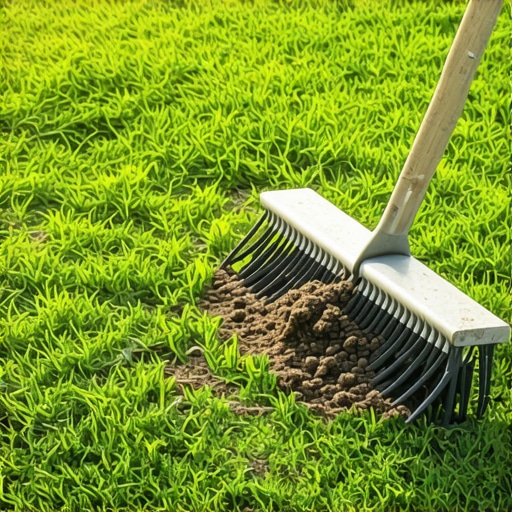
- Core Aeration: Pull 3-inch plugs to let the soil breathe. Shaded soil stays wet and compacts easily.
- Top-dressing: Apply 1/4 inch of leaf compost to introduce beneficial microbes.
- Overseeding: Use a blend of Hard, Chewings, and Creeping Red Fescues. Avoid ‘Contractor Mix’ at all costs.
- Mowing Height: Raise the blade. 4 inches is the law in the shade.
The hardscape alternative
Sometimes the biology just won’t win. If you have 80-year-old maples with surface roots like an octopus, grass is a fool’s errand. In those cases, we pivot to hardscaping. A dry-laid flagstone patio or a permeable paver walkway solves the problem permanently. We use a 6-inch modified gravel base, compacted to 95% Proctory density, to ensure no settling occurs. Don’t fight nature if she has already decided that grass isn’t invited to that corner of the yard. It is better to have a beautiful stone path than a patch of muddy failure. Stop the cycle of replanting. Fix the root cause.