Why 2026 Clover Lawns are Replacing Fescue in Suburbs
The Death of the High-Input Fescue Monoculture
Clover lawns are surging in popularity because homeowners are rejecting the high-cost, high-chemical dependency of Tall Fescue in favor of nitrogen-fixing, drought-tolerant Trifolium repens. This shift is driven by 2026’s rising water costs, municipal fertilizer bans, and a deeper understanding of soil microbiology and sustainable landscaping. I always drill into my new crew members: if you don’t fix the soil grading first, every plant you put in the ground is just expensive compost. It is the same with turf. If you are fighting the soil to keep a grass species alive that does not belong there, you are failing as a land manager. Most suburban yards are built on compacted subsoil left behind by developers. Fescue hates this. Clover thrives in it. It is simple math. I have spent two decades watching guys in white trucks spray gallons of expensive chemicals on lawns that were doomed from the start. We are finally moving past that era.
How does clover improve soil health?
Clover acts as a biological nitrogen factory. Unlike grass, which consumes nitrogen at an aggressive rate—often requiring 3 to 5 pounds of synthetic NPK per 1000 square feet annually—clover pulls nitrogen from the atmosphere and converts it into a plant-available form through a symbiotic relationship with Rhizobium bacteria. This process, known as nitrogen fixation, feeds the surrounding soil and any companion grasses. It is literally free fertilizer. Stop paying for nitrogen. Let the roots do the work.
“Clover’s ability to fix nitrogen can provide significant nutrients to a lawn, often reducing or eliminating the need for supplemental nitrogen fertilizers while improving soil structure through its deep taproot system.” – Penn State Extension Agronomy Manual
The Engineering of the Modern Low-Mow Lawn
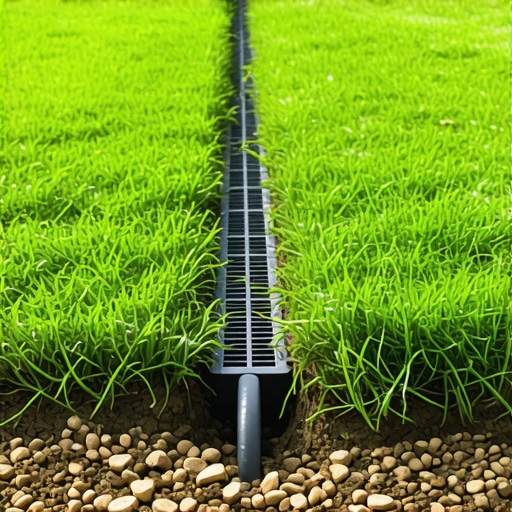
A 2026-style clover lawn is not just a patch of weeds. It is a deliberate garden design choice. When we install a mixed-species lawn, we are looking at the shear strength of the turf and the hydrostatic pressure of the soil. Clover roots reach deeper than fescue. They break up clay. This increases the percolation rate of the yard. If your yard feels like a sponge after a light rain, your drainage is shot. Clover can help.
Clover vs. Fescue: The Technical Breakdown
| Metric | Tall Fescue (Monoculture) | White Dutch Clover (Micro-clover) | |
|---|---|---|---|
| Nitrogen Requirement | High (Synthetic inputs required) | Atmospheric Fixation (Self-sufficient) | |
| Water Consumption | 1.5″ per week (High) | 0.5″ per week (Drought resistant) | |
| Mowing Frequency | Weekly at 3.5 inches | Monthly or bi-monthly | |
| Pet Urine Resistance | Low (Yellow spotting) | High (Resistant to ammonia) | |
| Soil Compaction Tolerance | Poor (Leads to thinning) | Excellent (Aerates soil) |
How to transition your lawn to clover
- Core Aeration: Pull 3-inch plugs to relieve surface tension and expose the soil.
- Soil Testing: Aim for a pH level between 6.0 and 7.0. Clover is less picky than fescue but still needs balance.
- Overseeding: Use 2 to 5 ounces of Micro-clover seed per 1000 square feet.
- Irrigation Management: Water deeply but infrequently. Force those roots to chase moisture down.
How much clover seed do I need for a 5000 sq ft lawn?
For a new landscaping project, you should calculate for 1.5 pounds of Micro-clover seed to ensure a dense ground cover that outcompetes broadleaf weeds. For overseeding existing fescue, 10 to 12 ounces is usually sufficient to establish nitrogen-fixing nodules within the first growing season. Don’t overdo it. High density leads to dampness issues.
Can I use weed killer on a clover lawn?
No. This is where most homeowners mess up. Almost all broadleaf herbicides (like 2,4-D) will kill clover instantly. You have to change your mindset. In a clover lawn, the clover is the ground cover. It smothers out the dandelions and crabgrass naturally. If you see a weed you don’t like, pull it by hand. Don’t nuke the whole ecosystem because of one stray thistle. It is lazy lawn care.
“In sustainable turf management, the presence of leguminous species like Trifolium repens reduces the environmental footprint of suburban landscapes by minimizing nitrate leaching into local watersheds.” – USDA Sustainable Agriculture Research & Education
Hardscaping and Clover Integration
When I am building patios or retaining walls, I always suggest a clover buffer. Why? Because clover doesn’t care about the heat island effect coming off a stone surface. Fescue will crisp up next to a paver walkway. Clover stays green. It also handles the polymeric sand runoff better than sensitive turf. If you are investing $20k in a hardscape, don’t surround it with brown, dead grass. It looks cheap. Use a plant that can take the heat. It will survive. [image_placeholder_1]
The Economic Reality
The cost of water is not going down. The cost of petroleum-based fertilizers is not going down. The 2026 suburban shift to clover is an economic necessity. I tell my clients: you can pay me to mow your grass 30 times a year, or you can pay me to install a clover-mix once and mow it 6 times. Most smart people choose the latter. It is about information gain. If you know how the biology works, you stop fighting it. Stop being a slave to the mow-and-blow hacks. They want your lawn to be needy. I want your lawn to be an ecosystem.