Why Synthetic Grass for Dogs Is the Only Fix for Mud-Prone Backyards
Why Synthetic Grass for Dogs Is the Only Fix for Mud-Prone Backyards
If you are a dog owner, you know the feeling of dread that comes with the first scent of rain. It starts with a few drops and ends with the “Mud-Pocalypse” – that inevitable moment when your once-green lawn transforms into a chocolate-colored swamp. Within minutes, your pristine hardwood floors are covered in paw prints, and you find yourself mopping for the third time before noon. As someone who has spent years in the trenches of the landscaping industry, I’ve seen homeowners pour thousands of dollars into new sod, only to have it decimated by a high-energy Labrador in a single season.
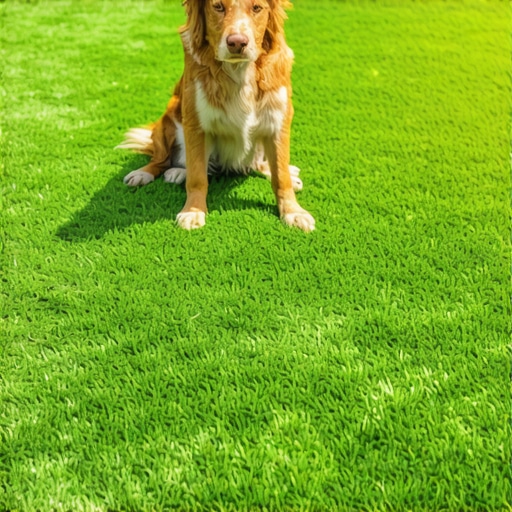
My name is Chris Feicht, and at Precision Turf Works, we specialize in solving these exact headaches. Traditional landscaping often fails to account for the sheer physical toll a dog takes on a yard. Whether it’s high-traffic “zoomies” or the chemical burn of pet waste, natural grass simply isn’t built for the modern dog owner’s lifestyle. That is where a premium oasis lawn comes into play. Transitioning to synthetic grass for dogs isn’t just an aesthetic choice; it’s a functional necessity for anyone tired of the endless cycle of mud, seeds, and yard repair.
The Science of the “Mud Trap”: Why Natural Grass Fails Dog Owners
To understand why your yard is a mess, we have to look at the “Death Spiral” of natural turf. It begins with nitrogen. While nitrogen is a common ingredient in fertilizer, the concentrated levels found in dog urine act as a herbicide, “burning” the grass and leaving yellow or brown dead spots. Once the grass dies, the root structure that holds the soil together disappears.
Next comes the physical impact. High-energy breeds, particularly Doodles, Shepherds, and Retrievers, exert incredible force when they run. Their paws act like mini-rototillers, kicking up loosened soil and creating ruts. When it rains, these ruts collect water, leading to soil compaction. Compacted soil is the enemy of life; it prevents oxygen and water from reaching any remaining roots, ensuring that new grass can never take hold. This is why many homeowners find that the best grass for pets and kids often isn’t grass at all – it’s a high-performance synthetic alternative.
Furthermore, mud isn’t just a cleaning nuisance; it can be a health hazard. Damp, muddy yards are breeding grounds for bacteria, fungi, and parasites like hookworms. By eliminating the mud, you are creating a more hygienic environment for your family and your pets. Traditional sod simply cannot keep up with the recovery time needed after a heavy rain or a vigorous play session.
How Pet Friendly Artificial Grass Solves the Drainage Dilemma
The primary reason homeowners switch to pet friendly artificial grass is drainage. When you visit oasisturfca.com, you’ll see that modern turf is engineered with sophisticated backing systems. Unlike natural soil, which becomes “saturated” and stops absorbing water, high-quality artificial lawn grass turf features a “SuperFlow” or highly permeable backing.
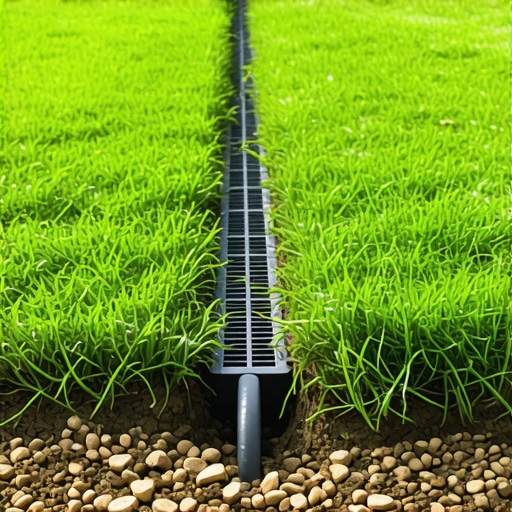
Standard soil might drain at a rate of a few inches per hour if you’re lucky. In contrast, professional-grade synthetic systems can handle upwards of 30 to 50 inches of rain per hour. This is achieved through a multi-layered approach. Beneath the green blades is a perforated or woven backing that allows liquid to pass through instantly into a prepared sub-base of crushed stone. This means that even after a torrential downpour, your dog can go outside, do their business, and come back inside with bone-dry paws.
This drainage isn’t just for rain – it’s essential for pet hygiene. When your dog urines on turf for backyard use, the liquid doesn’t sit on the surface to create odors. It flushes through the system and into the earth below, where it can be naturally filtered. If you’ve struggled with how to fix drainage issues in a flat yard, you know that grading alone rarely solves the problem. A synthetic system provides a vertical drainage solution that horizontal grading simply can’t match.
Comparing Top-Tier Options: Alpha Turf vs. Standard Synthetic Grass
Not all synthetic grass is created equal. If you go to a big-box store and buy a roll of generic turf, you’ll likely find it matting down and retaining heat within a year. For dog owners, I always recommend alpha turf. You can find more details on this specific line at oasisturfca.com’s alpha turf section.
What makes alpha turf different? It’s all about the blade geometry and the polymer blend. Dogs are heavy on their feet, and they tend to run in the same patterns (the “patrol” along the fence line). Standard turf blades are flat and will eventually fold over under this pressure. Alpha-grade products use “W,” “C,” or “S” shaped blades that act like tiny springs, standing back up after they’ve been stepped on.
Additionally, premium oasis turf options incorporate cooling technologies. We often hear the concern that synthetic grass gets too hot for paws. While it’s true that synthetic materials absorb more heat than natural grass, high-end products utilize infrared-reflective pigments that can keep the surface temperature significantly lower than cheaper alternatives. When choosing a turf and grass solution, durability and heat dissipation should be your top priorities.
Professional Secrets to Laying Artificial Turf for Maximum Longevity
Many DIY enthusiasts think that laying artificial turf is as simple as rolling out a carpet. This is the fastest way to end up with a lumpy, smelly yard. At Precision Turf Works, we follow a rigorous protocol to ensure the installation lasts 15 to 20 years. If you want to learn more about the technical side, check out our guide on laying artificial turf.
The secret is in the sub-base. We typically excavate 3 to 4 inches of native soil and replace it with a compacted layer of crushed miscellaneous base (CMB) or decomposed granite (DG). This creates a stable, porous foundation that won’t shift or sink. We also install a heavy-duty weed barrier – not just to stop weeds, but to prevent the base material from mixing with the dirt below.
Seaming is another critical area. If you don’t secure the seams correctly, a large dog can easily hook a claw and rip the turf up. We use industrial-grade adhesive and landscape staples to ensure the surface is monolithic. This is why it’s vital to understand how to lay artificial turf without those frustrating visible seams. A seamless look isn’t just about beauty; it’s about safety and preventing the dog from finding a “weak spot” to chew on.
Artificial Turf Maintenance: Keeping Your Yard Odor-Free
A common myth is that synthetic grass is “zero maintenance.” While it is much lower maintenance than a natural lawn, it still requires some care to stay fresh. Effective artificial turf maintenance is the key to a long-lasting, odor-free investment. You can find a full breakdown of these steps at oasisturfca.com’s maintenance page.
For dog owners, the most important factor is the infill. We use antimicrobial infills like Envirofill or Zeolite. These products are designed to capture the ammonia in pet urine and prevent it from turning into a gas (which is what causes that “kennel” smell).
Actionable maintenance tips include:
- Rinse Regularly: A quick spray with a hose once a week in high-use areas helps move any residual urea through the drainage system.
- Cross-Brush: Use a power broom or a stiff synthetic brush to pull the blades upright and redistrubute the infill.
- Pick up Solid Waste: Believe it or not, solid waste is actually easier to manage on synthetic grass. Because the surface is even and there is no mud, you can easily remove waste without it getting “lost” in the blades or smeared into the dirt.
If you’ve ever dealt with the best plants for fixing a muddy slope, you know that vegetation can be finicky. Turf, however, stays exactly where you put it, regardless of the weather or the activity level of your pets.
Beyond the Dog Run: Oasis Greens and Backyard Putting Greens
Once homeowners realize the benefits of synthetic grass for dogs, they often want to extend the luxury to the rest of the family. Why stop at a dog run when you can have a professional-grade recreational space? We often install oasis greens that serve as both a pet-friendly area and a high-end practice space for golfers.
A backyard putting green installation can be integrated seamlessly with your pet turf. By using different pile heights and textures, we can create a “fringe” area where the dogs can play, while the center features a tight-knit putting green synthetic grass for your short game. You can see examples of these multi-use transformations at oasisturfca.com’s Norco project gallery or learn about the specific turf used for greens at oasisturfca.com/sync-putting-green.
This approach increases your property value and ensures that every square inch of your backyard is functional. No more “dead zones” where nothing grows; just a lush, green oasis that serves everyone in the household, four-legged members included. This is especially useful for specific regional challenges, such as why your Branson West patio needs this specific drainage fix, where terrain can be difficult to manage with traditional methods.
Conclusion: Is the Investment Worth It?
When you tally up the costs of sod replacement, fertilizers, pesticides, water bills, and professional carpet cleanings to get the mud out of your rugs, the ROI on synthetic grass becomes clear. It is a one-time investment that buys you back your time and your sanity. You’ll no longer spend your Saturday mornings behind a lawnmower or your rainy evenings with a towel at the back door.
If you are ready to end the “Mud-Pocalypse” once and for all, I encourage you to consult with a professional. At Precision Turf Works, we don’t just “lay grass” – we engineered drainage and durability solutions tailored to your specific yard and your specific dogs. Contact us today for a site survey and let’s turn your muddy mess into a year-round paradise.
![Stop 2026 Grass Growth in Your Paver Patios [Fix]](https://lawnmajesty.com/wp-content/uploads/2026/07/Stop-2026-Grass-Growth-in-Your-Paver-Patios-Fix.jpeg)