Fix 2026 Mulch Washout with This $150 River Rock Border
Mulch washout is not just a cosmetic nuisance; it is a fundamental failure of surface drainage and soil physics that destroys your garden design. To fix 2026 mulch washout with a $150 river rock border, you must understand that gravity and water velocity are your primary enemies. Most homeowners and ‘mow-and-blow’ crews think a plastic strip or a shallow trench is enough to hold back five inches of rain. They are wrong. You need a structural solution that utilizes the weight and friction of stone to break the kinetic energy of runoff. Stop throwing money away on wood chips that end up in the street after every thunderstorm.
The Hardscape Autopsy: Why Your Last Project Failed
I recently got called out to tear up a $30,000 patio that was sinking because the previous contractor ignored the hydrostatic pressure and surface runoff from an adjacent mulch bed. The water had nowhere to go, so it tunneled under the pavers, undermining the 21A modified gravel base. This is the same principle that causes mulch washout. If your soil grading isn’t shedding water away from the bed or if your border is too shallow, the mulch will float and migrate. I always tell my crew: if you don’t manage the water, the water will manage you. Hardscaping is 90% what you don’t see underground. This river rock fix is about creating a permeable barrier that lets water through while keeping the organic matter pinned down.
“A retaining wall or border doesn’t fail because of the stone; it fails because of the water trapped behind it or the lack of proper base compaction.” – Hardscape Engineering Axiom
What is a River Rock Border for Washout Prevention?
A river rock border for washout prevention is a functional drainage feature using 1-inch to 3-inch rounded stones set into a stabilized trench to redirect surface runoff and provide a physical weight barrier against mulch migration. This hardscaping technique creates a ‘dry creek’ effect that manages high-volume rain events without sacrificing garden design aesthetics. It relies on gravity and stone interlock.
Why Wood Mulch Floats Away
Physics doesn’t care about your weekend plans. Double-shredded hardwood mulch has a low density and high surface area. When it rains, the water gets under the chips, creating buoyancy. If the slope is greater than 2%, that water moves. Without a river rock border, there is no friction to stop the flow. You need something heavy. Stone doesn’t float. It stays put.
The Materials List for a $150 Professional Fix
To do this right, you cannot shop at a big-box store for ‘decorative’ pebbles. You need a local landscape supply yard. Here is the cost breakdown for a standard 20-linear-foot run:
| Material Type | Quantity | Estimated Cost | Purpose |
|---|---|---|---|
| 1″-3″ River Jack Stone | 0.5 Cubic Yard | $45 – $60 | Main structural weight |
| Non-Woven Geotextile Fabric | 25 ft Roll | $20 – $30 | Soil separation/Drainage |
| 3/4″ Clean Crushed Stone | 2 Bags | $15 – $20 | Base stabilization |
| Steel Landscape Edging | 20 ft | $40 – $50 | Optional containment |
Total project cost: roughly $120 to $150 depending on local rock pricing. Do not buy the thin, woven plastic weed barrier. It will fail. Use 4oz non-woven geotextile. It allows water to pass through the microscopic pores while preventing the river rock from sinking into the mud.
Engineering the Trench: The Foundation of Your Border
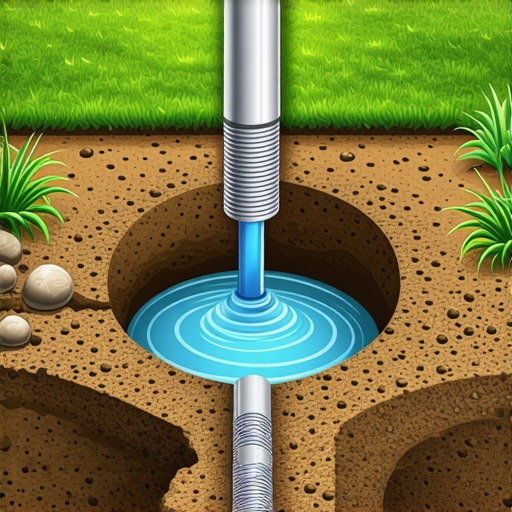
The success of this border depends entirely on the depth and pitch of your excavation. If you just lay stone on top of the grass, you are making a mess, not a drain. You need to dig a trench at least 4 inches deep and 8 inches wide. This creates a ‘catchment basin’ for the water before it hits the mulch line. It must have a slight pitch—at least 1/8 inch per foot—toward a lower exit point or a lawn area that can handle the moisture.
How deep should a river rock border be?
A functional river rock border must be at least 4 to 6 inches deep to ensure the stones sit below the surface grade of the lawn, preventing mower damage and providing enough volume to trap sediment and slow down water velocity during heavy 2026 storms. Shallow stone layers will simply wash over. Deep trenches provide the necessary landscaping stability for long-term lawn care.
The Installation Protocol: Step-by-Step
- Call 811: Never dig without marking utilities. Even a 4-inch trench can hit a shallow cable line.
- Excavation: Use a square-edged spade. Cut clean vertical walls. This isn’t a suggestion; it’s a structural requirement.
- The Fabric Layer: Lay your non-woven geotextile. Leave 2 inches of overlap on the sides. Secure with 6-inch sod staples.
- Base Fill: Add 1 inch of 3/4″ clean stone. This acts as a leveling layer and helps with drainage.
- Rock Placement: Hand-place your larger 3-inch river rocks on the outer edges and fill the center with the 1-inch stones. This ‘nesting’ creates a lock that prevents individual stones from shifting.
- The Mulch Transition: Ensure your mulch bed is finished 1/2 inch below the top of the stone border.
“Soil erosion is a physical process where the kinetic energy of raindrops and surface flow exceeds the shear strength of the soil surface.” – USDA Soil Conservation Manual
Managing the Biome: Plant Choices and Soil Health
Your river rock border is only half the battle. If you have bare dirt behind it, you’ll still get silt runoff. You need a root system. Integrating native grasses or groundcovers like creeping thyme or sedum behind the stone border adds ‘biological rebar’ to the soil. This is the difference between a contractor and a ‘mow-and-blow’ guy. We look at the whole system. If your soil pH is off, your plants won’t grow, and your mulch will always be at risk because there’s no vegetation to break the rain’s fall.
What prevents mulch from washing away in heavy rain?
The combination of a compacted soil base, a recessed river rock border, and biological anchors (roots) prevents mulch from washing away by reducing the water’s kinetic energy and providing a physical barrier that exceeds the buoyancy of the wood chips. Proper garden design integrates these three elements to survive extreme weather. It is a system of friction and weight.
Maintenance: The Year One Reality
The stone will settle. This is normal. In the first year, you might need to toss a few more stones into low spots. Don’t let leaf litter build up in the rocks. If the voids between the stones get filled with organic debris, they will eventually grow weeds. A quick hit with a leaf blower once a month keeps the drainage functional. It’s easier than raking mulch off your sidewalk every week. Don’t skip this. It will rot if you leave it. Clean stone is happy stone.
The Final Checklist: Before You Dig
- Mark the trench line with marking paint (not flour).
- Verify the drainage exit point. Where does the water go?
- Check the weather. Do not dig in saturated clay soil. You will ruin the soil structure.
- Calculate your yardage. One cubic yard of stone covers about 100 square feet at 3 inches deep.
- Order the stone. Delivery is cheaper than three trips in a sedan.