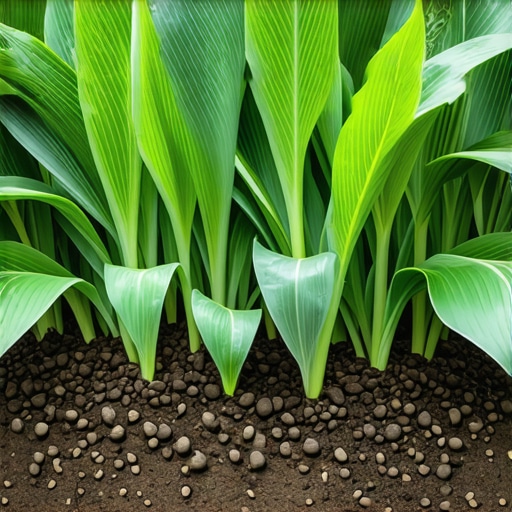
Stop Killing 2026 Hostas: 3 Clay Soil Drainage Fixes
The Autopsy of a Drowning Hosta
Stop looking at the yellowing leaves and start looking at the mud between your boots. If your hostas are melting into a mushy, translucent mess by mid-July, you aren’t looking at a pest problem; you are looking at an engineering failure. I always drill into my new crew members: if you don’t fix the soil grading first, every plant you put in the ground is just expensive compost. I have seen $10,000 perennial installs vanish in a single season because the contractor didn’t understand the microscopic reality of clay soil. Clay isn’t just ‘heavy’—it is a collection of flat, microscopic platelets that stack like wet pages in a book, sealing off oxygen and trapping water in the root zone until the rhizome literally ferments. Clay soil drainage fixes require mechanical intervention, not just a bag of store-bought potting mix. If you see standing water for more than four hours after a rain, your hostas are already dying. It is that simple.
The Biological Reality of Anaerobic Soil
When clay soil becomes saturated, it enters an anaerobic state where oxygen is completely displaced by water. Hostas in clay soil fail because their roots require gas exchange to perform cellular respiration; without it, the roots stop producing ATP, and the plant’s vascular system collapses. This isn’t a theory. It is physics. When the soil stays wet, opportunistic pathogens like Phytophthora and Pythium move in. These are water molds that thrive in the exact conditions created by poor hardscaping and grading. You can buy the most expensive ‘Shadowland’ or ‘Empress Wu’ hostas from the 2026 catalogs, but if you drop them into a clay hole without drainage, you are just feeding the fungi. Don’t skip the site prep.
“Soil drainage is the most critical factor in perennial survival. In heavy clay, the hydraulic conductivity is so low that water moves at a rate of less than 0.05 inches per hour, leading to root asphyxiation.” – Penn State Agricultural Extension
Fix 1: The Mechanical Amendment (The Structural Solution)
Mechanical soil amendment involves introducing physical aggregates like expanded shale or 1/4-inch basalt chips into the clay matrix to create permanent macro-pores for water movement. Most homeowners make the mistake of adding sand to clay. Never do this. Sand plus clay equals low-grade concrete. Instead, you need to break the electrochemical bond of the clay particles. We use a 50-30-20 rule on my job sites: 50% native clay, 30% high-carbon compost, and 20% expanded shale. This creates a ‘loft’ in the soil that won’t collapse after the first winter freeze-thaw cycle. You need to till this at least 12 inches deep. Shallow scratching won’t work. It will fail.
How deep should I dig for clay soil hostas?
You must excavate a planting area at least 12 to 18 inches deep to ensure the hosta root system has enough oxygenated space to expand beyond the initial root ball. A common mistake is digging a ‘tea cup’ hole where the plant sits in a bowl of amended soil surrounded by impenetrable clay; this just creates a localized pond. You must amend the entire bed or create a transition zone where the amended soil gradually blends into the native clay to prevent ‘root circling’ and water entrapment.
Fix 2: The French Drain and Hardscape Diversion (The Engineering Solution)
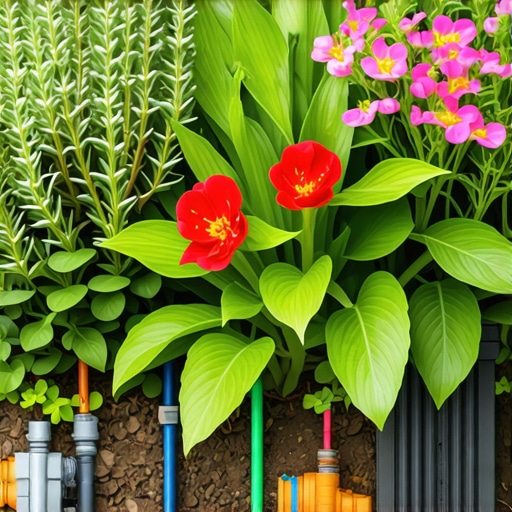
French drain installation is the only way to move bulk water away from a low-lying hosta bed when the natural grade of the yard is insufficient. If your yard has a slope of less than 2%, gravity isn’t on your side. We install 4-inch NDS perforated pipe wrapped in a 6-ounce non-woven geotextile fabric, buried in a trench filled with #57 washed stone. This creates a path of least resistance. The water enters the pipe and is carried to a daylight exit or a dry well. This isn’t garden design; it is civil engineering. We often see ‘landscapers’ skip the fabric. The pipe will silt up in two years. Don’t be that guy. Use the fabric.
| Material Type | Drainage Rate (Inches/Hour) | Longevity | Best Use Case |
|---|---|---|---|
| Native Heavy Clay | < 0.1 | Permanent | Pond liners (not gardens) |
| River Sand Mix | 2.0 – 5.0 | Low (Compacts) | Paver leveling only |
| Expanded Shale Mix | 1.5 – 3.0 | High (Permanent) | Hosta and Perennial beds |
| French Drain System | 10.0+ | High (20+ years) | Massive water diversion |
Fix 3: The Raised Berm Technique (The Design Solution)
Raised garden berms solve drainage issues by literally lifting the plant’s crown above the ‘saturation line’ of the surrounding landscape. If you can’t fix the soil underneath, go up. We build berms using a base of structural fill and a cap of high-quality sandy loam. A hosta sitting 8 inches above the lawn level is safe from the hydrostatic pressure of a wet spring. This also adds vertical interest to your garden design. Ensure the berm is wide enough—at least 4 feet—so the roots don’t freeze during extreme winter dips. Hostas are hardy, but their roots can’t handle a ‘deep freeze’ if they are exposed in a narrow, thin mound.
“A retaining wall or berm doesn’t fail because of the stone; it fails because of the water trapped behind it. Proper hydrostatic relief is mandatory.” – Hardscape Engineering Axiom
How much modified gravel do I need for a patio base?
For a standard pedestrian patio near a hosta bed, you need a minimum of 6 inches of compacted 21A modified gravel, which calculates to approximately 1 ton of gravel per 50 square feet. This base provides the structural stability needed to prevent settling and ensures that water sheds away from your planting zones rather than pooling under your pavers. If you skip the compaction, your patio will heave, and the resulting drainage shifts will drown your nearby plants. Use a plate compactor. Do not hand-tamp.
The Professional Hosta Care Checklist
- Test the pH: Hostas prefer a 6.5 to 7.0 range. Clay is often alkaline; add elemental sulfur if needed.
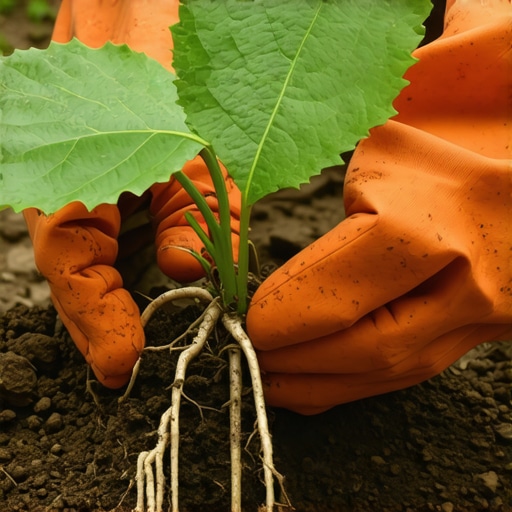
- Check the Crown: Never bury the crown. If you can’t see the top of the rhizome, it’s too deep. It will rot.
- Mulch Strategy: Use 2 inches of shredded hardwood. Avoid ‘mulch volcanoes’ that trap moisture against the stems.
- Watering Logic: Water deep and infrequent. One inch per week is the rule. Do not mist the leaves daily.
- Fertilizer Timing: Use a slow-release 10-10-10 in early spring. Avoid high-nitrogen ‘turf’ fertilizers that cause leggy, weak growth.
Information Gain: The 1-Inch Rule
While the internet tells you to water every day, turf grass and perennials actually need deep, infrequent watering—exactly 1 inch per week—to force roots to chase the water down. In clay soil, frequent shallow watering is a death sentence. It keeps the surface perpetually slick and anaerobic while the deeper roots suffer. If you don’t have a rain gauge, put a tuna can in the garden. When it’s full, stop watering. This forces the hosta to build a resilient, deep root system that can survive the heat of 2026. Clay actually holds nutrients better than sand; you just have to manage the water. Master the water, and you master the hosta.