Build a $150 2026 Cedar Garden Border for Bedding Edges
The Foundation of Border Integrity: Why Most Edging Fails
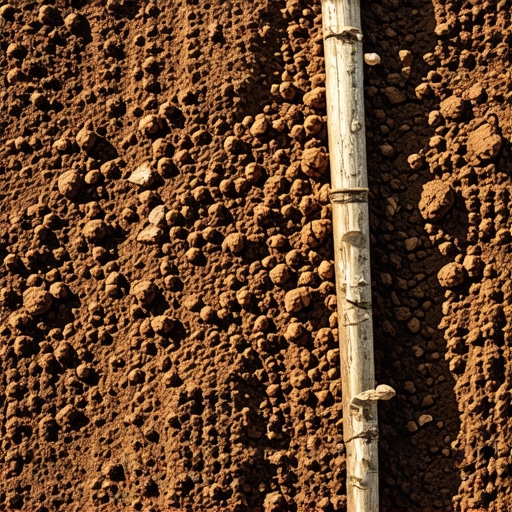
Building a 2026 Cedar Garden Border involves more than just dropping wood on the grass; it requires a structural hardscape approach to prevent frost heave and soil migration. Using Western Red Cedar provides a natural, rot-resistant barrier that creates a distinct physical break between turfgrass and garden design elements while maintaining soil moisture levels. I always drill into my new crew members: if you don’t fix the soil grading first, every plant you put in the ground is just expensive compost. I have seen too many rookies slap down a piece of pressure-treated pine and call it a day, only to have the homeowner deal with warped, rot-ridden junk two years later. You have to respect the biology of the wood and the physics of the soil. If you ignore the hydrostatic pressure of the soil pushing against your border, the border will lose every time. Gravity and water are the two most destructive forces in a yard. We do not build for today; we build for the next decade. [IMAGE_PLACEHOLDER]
Strategic Planning for the Cedar Perimeter
A long-lasting cedar border requires selecting clear-grade cedar to ensure high tannin content and minimal sapwood which is prone to decay. Before the first shovel hits the dirt, you must locate utility lines and assess the drainage patterns to prevent water pooling against the wood-soil interface. Planning is 80% of the job. If you fail to account for the thickness of the mower blade, you will spend your weekends weed-whacking because you didn’t leave a mowing strip. Think ahead. Measure twice. Dig once.
How deep should a garden border be buried?
To effectively stop rhizomatous grass like Kentucky Bluegrass or Bermuda from invading your beds, the border should be buried at least 4 inches deep. This depth ensures that the root systems cannot easily dive under the cedar barrier and re-establish themselves in your ornamental bedding. Depth is your best defense against encroachment.
“Correct installation of edging requires a minimum depth of 4 inches to effectively intercept the root systems of most cool-season grasses.” – Penn State Extension
Material Procurement and Cost Management
For a $150 budget, you can realistically install roughly 24 to 30 linear feet of high-quality cedar edging if you source your materials from a local lumber yard rather than a big-box retailer. Focus on 2×4 or 2×6 boards of Western Red Cedar (Thuja plicata) because of its superior thujaplicin content, which acts as a natural fungicide. The price point dictates efficiency. You cannot afford to waste a single board foot. Check every board for cupping and twisting. If the wood is already stressed, the soil will only make it worse.
| Material Item | Estimated Cost (USD) | Project Quantity |
|---|---|---|
| 2x4x8 Western Red Cedar | $95.00 | 6 Boards |
| 304 Stainless Steel Screws | $15.00 | 1 Box (50ct) |
| 3/4-inch Modified Gravel | $25.00 | 5 Bags |
| Cedar Ground Stakes | $15.00 | 12 Stakes |
The Engineering of the Trench and Drainage
The trench excavation is the most critical phase where hardscaping principles meet garden design. You must excavate a 6-inch wide trench to allow for a 2-inch compacted gravel base, which facilitates drainage and prevents the cedar from sitting in standing water. Soil is a sponge. If you put wood directly on dirt, the capillary action will suck moisture into the wood fibers and rot it from the inside out. Use a hand tamper. The tamper should literally bounce off the compacted base when you are done. If it sinks, you aren’t done. Don’t skip this. It is the difference between a five-year border and a twenty-year border.
“Western Red Cedar heartwood contains natural extractives like thujaplicins and water-soluble phenolics that inhibit fungal growth.” – Oregon State University Wood Science
Installation Checklist for the 2026 Cedar Border
- Excavate trench to a depth of 6 inches and width of 6 inches.
- Install 2 inches of modified gravel and compact until solid.
- Level the first board using a 4-foot spirit level to ensure proper grade alignment.
- Pre-drill pilot holes to prevent the cedar from splitting during fastening.
- Secure the cedar boards to ground stakes using stainless steel screws.
- Backfill the exterior side with native soil and the interior with shredded hardwood mulch.
What is the best wood for garden borders?
Western Red Cedar and Redwood are the gold standards for garden borders because they contain natural oils that repel insects and prevent rot without the need for toxic chemical treatments. These woods offer a service life far exceeding untreated pine or spruce in high-moisture environments. Cedar is the professional choice for a reason. It handles the freeze-thaw cycle better than almost any other North American species.
The Final Grade and Biological Finish
Once the cedar border is structurally sound, you must address the soil microbiology and grading on both sides of the barrier. Ensure the turf side is slightly higher than the bedding side to encourage surface runoff to move away from the grass and into the garden bed where the root zones need it most. Check your soil pH. If you used limestone gravel as a base, it can leach and raise the pH, which might affect acid-loving plants like Azaleas. Adjust accordingly. The first year will involve settling. Expect the wood to weather to a silver-grey unless you apply a UV-rated sealer. Personally, I leave it raw. The patina of aged cedar is a badge of honor in a well-managed landscape. Your border is now a functioning piece of civil engineering. Treat it as such. Maintenance is non-negotiable. Inspect the fasteners every spring. Tighten what is loose. Replace what is broken. A garden is never finished; it is only managed. { “@context”: “https://schema.org”, “@type”: “HowTo”, “name”: “Building a $150 Cedar Garden Border”, “description”: “A professional guide to installing a long-lasting cedar wood border for garden beds.”, “step”: [ { “@type”: “HowToStep”, “text”: “Excavate a 6-inch deep trench along the garden edge.” }, { “@type”: “HowToStep”, “text”: “Fill the trench with 2 inches of gravel and compact it thoroughly.” }, { “@type”: “HowToStep”, “text”: “Lay the cedar boards on the gravel and level them.” }, { “@type”: “HowToStep”, “text”: “Drive cedar stakes into the ground and screw the boards to the stakes using stainless steel fasteners.” }, { “@type”: “HowToStep”, “text”: “Backfill with soil and mulch to finish the grade.” } ] }
![Build a $200 Gravel Path for Wet Side Yards [Fast]](https://lawnmajesty.com/wp-content/uploads/2026/06/Build-a-200-Gravel-Path-for-Wet-Side-Yards-Fast.jpeg)