Build a $150 2026 Cedar Garden Border for Bedding
Build a $150 2026 Cedar Garden Border for Bedding: The Professional Foreman’s Guide
I always drill into my new crew members: if you don’t fix the soil grading first, every plant you put in the ground is just expensive compost. I remember a kid we hired last season who thought he could just slap some pine 2x4s against a slope and call it a day. Within three months, the hydrostatic pressure from the spring rains had bowed the wood and turned the bedding into a muddy soup. We had to rip it all out and do it right. That is the difference between a contractor and a guy with a truck. If you want a garden border that lasts until 2045, you follow the physics of the soil, not the aesthetics of a magazine cover.
The Reality of Garden Border Lifespans
A cedar garden border typically lasts 15 to 20 years if you manage soil-to-wood contact and provide a drainage layer of 3/4-inch crushed stone, preventing the anaerobic conditions that accelerate fungal decay and structural failure. Cedar is the gold standard for residential hardscaping because of its natural thujaplicins, which are chemical compounds that act as organic fungicides. However, even the best cedar will fail if it is buried in heavy clay without a break. Soil is a living, breathing, and expanding mass. When it gets wet, it exerts thousands of pounds of pressure. If your border is not built to vent that moisture, the wood will rot from the inside out. Don’t skip the prep work. Professional landscaping is 80 percent excavation and 20 percent installation.
“A retaining wall doesn’t fail because of the stone; it fails because of the water trapped behind it.” – Hardscape Engineering Axiom
The $150 Budget Breakdown for 2026
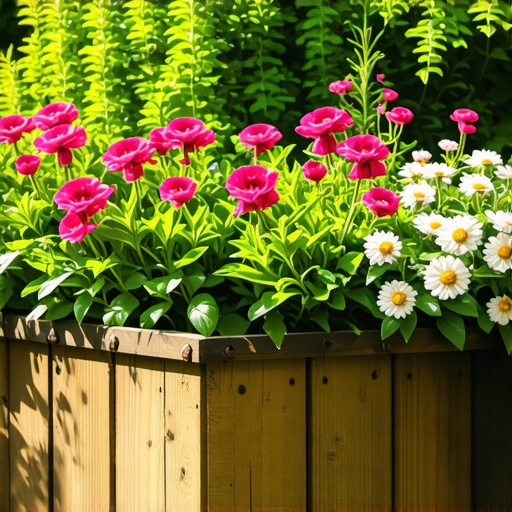
In the 2026 market, wood prices have stabilized, but you still have to be smart about your dimensions. For $150, you can build a high-quality 4-foot by 8-foot raised border or a 16-foot linear run. This budget assumes you already own a drill and a shovel. We are focusing on raw materials that actually survive the freeze-thaw cycle of the northern states and the humidity of the south. [IMAGE_PLACEHOLDER_1] Below is the exact cost breakdown for a professional-grade install.
| Material Item | Quantity | Estimated Cost (2026) |
|---|---|---|
| 2x4x8 Rough-Sawn Western Red Cedar | 4 Boards | $88.00 |
| 3-inch Grade 305 Stainless Steel Screws | 1 lb Box | $22.00 |
| 3/4-inch Crushed Limestone (Drainage) | 3 Bags | $15.00 |
| 1/2-inch x 2ft Rebar Stakes | 5 Stakes | $25.00 |
| Total Projected Cost | $150.00 |
How much modified gravel do I need for a garden border?
For a standard 16-foot border, you need approximately 1.5 to 2 cubic feet of crushed limestone or modified gravel to create a 2-inch deep drainage trench. This prevents the wood from sitting in standing water, which is the primary cause of premature hardscaping failure in residential garden design. You aren’t just dumping rocks; you are creating a French drain system on a micro-scale. The water needs a path of least resistance to move away from the wood grain. If the water stays, the wood dies.
The Engineering of Cedar: Why Wood Choice Matters
When you walk into a big-box store, you will see ‘Green Treated’ pine next to the cedar. The pine is cheaper. Avoid it. Treated wood uses alkaline copper quaternary or similar chemicals to resist rot, but these chemicals can leach into your soil, which is a nightmare for organic garden design. Cedar, specifically the heartwood, contains natural oils that repel termites and carpenter ants. In the lawn care industry, we see ‘mow-and-blow’ guys install pine borders that warp within two summers. Cedar has a lower coefficient of thermal expansion. It stays straight. It stays true. It handles the sun. It handles the snow. It is the only choice for a serious bedding project.
“Wood durability in ground-contact applications is dictated by the concentration of heartwood extractives, which inhibit the growth of decay fungi.” – USDA Forest Products Laboratory Manual
Does cedar rot if it touches wet soil?
Yes, cedar will eventually decay if it is in constant contact with saturated, poorly drained soil, though it lasts significantly longer than other species. To maximize the life of your border, you must ensure the soil pH is balanced and that you have installed a capillary break using gravel between the wood and the earth. Professional installers often char the side of the wood facing the soil, a technique known as Shou Sugi Ban, or apply a non-toxic food-grade sealer. This creates an additional barrier against the microbial activity that breaks down cellulose fibers in the wood.
Step-by-Step Professional Installation Checklist
- Call 811: Never put a shovel in the ground without marking your utility lines. Even a shallow garden bed can nick a shallow-buried cable or gas line.
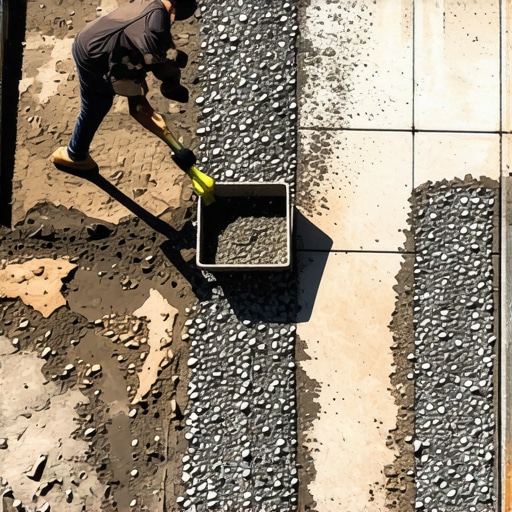
- Excavate the Trench: Dig a 4-inch wide by 3-inch deep trench along your border line. Remove all sod and root mats. This is where lawn care meets engineering.
- Level the Subgrade: Use a hand tamper to pack the soil down. If the soil is loose, the border will sink. Your base must be as hard as a brick.
- The Drainage Layer: Pour 2 inches of crushed stone into the trench. Level it with a rake. This keeps the cedar high and dry.
- Cut and Pre-drill: Cut your cedar boards to length. Always pre-drill your screw holes. Cedar is prone to splitting at the ends if you drive a screw in raw.
- Secure with Rebar: Drive rebar stakes every 4 feet on the inside of the border. This prevents the weight of the soil from pushing the boards outward over time.
- Backfill and Mulch: Fill the bed with high-quality organic matter, but keep the mulch 1 inch below the top of the wood to allow for air circulation.
Managing Soil Pressure and Drainage Science
The biggest mistake homeowners make in hardscaping is ignoring the weight of wet dirt. A cubic foot of wet soil can weigh over 100 pounds. When you build a border, you are essentially building a very small dam. If you don’t use rebar stakes or deep-set posts, that ‘dam’ will fail. I have seen 2-inch thick cedar boards snapped like toothpicks because the homeowner didn’t account for the expansion of frozen soil in January. You need to leave a small gap at the joints—about 1/16 of an inch—to allow the wood to expand and contract. If you butt them tight, the boards will buckle. It is simple physics. The wood needs to move. The water needs to flow. The soil needs to stay put. If you master those three things, your $150 investment will still be standing when your kids are graduating college. Don’t be the guy who has to rebuild his yard every three years because he was too lazy to buy a bag of gravel. Build it once. Build it right.
![Build a $250 Stone Retaining Wall [DIY 2026]](https://lawnmajesty.com/wp-content/uploads/2026/06/Build-a-250-Stone-Retaining-Wall-DIY-2026.jpeg)
![Building a 2026 Simple Stone Bench [DIY]](https://lawnmajesty.com/wp-content/uploads/2026/09/Building-a-2026-Simple-Stone-Bench-DIY.jpeg)