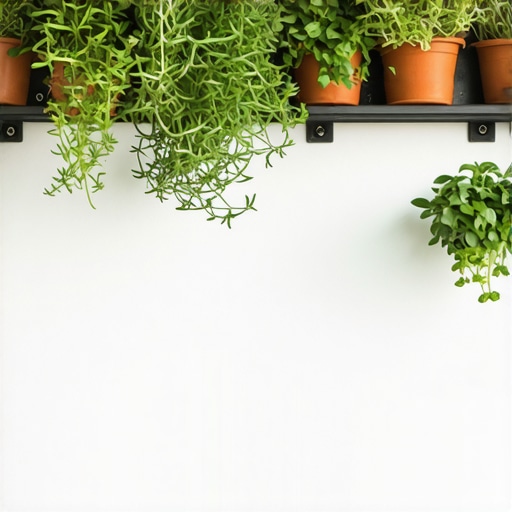
Build a 2026 Herb Garden in a $50 Vertical Planter
Professional Planning for Vertical Herb Systems
Building a 2026 vertical herb garden requires a deep understanding of hydrostatic pressure, soil porosity, and root zone thermodynamics to ensure long-term viability within a $50 budget. Success depends on selecting high-density polyethylene or cedar components that resist UV degradation while providing adequate drainage for high-intensity herb production in limited footprints.
I always drill into my new crew members: if you don’t fix the soil grading and the internal drainage first, every plant you put in the ground is just expensive compost. Last season, I watched a junior tech try to install a vertical wall without checking the perched water table of the potting media. Within three weeks, the bottom tiers were anaerobic mush while the top tiers were desiccated. We had to rip the whole thing out. It was a waste of labor and a waste of material. In this business, you respect the physics of water or you find a different career. Landscaping is not about making things look pretty for a weekend; it is about building biological systems that thrive for years.
Budget Engineering: Choosing Materials That Do Not Fail
A $50 budget is tight, but it is manageable if you avoid the markup of ‘designer’ kits. Focus on the raw specifications of the containers. You need a system that offers at least 6 inches of rooting depth for most culinary herbs. If the plastic is thin enough to flex under the weight of wet soil, it will crack during the first freeze-thaw cycle of 2026. Look for recycled food-grade plastics or basic cedar slats that you can assemble into a tiered ‘A-frame’ or a ‘ladder’ style structure.
| Material Component | Professional Specification | Target Cost |
|---|---|---|
| Planter Housing | High-Density Polyethylene (HDPE) or Cedar | $25.00 |
| Growing Medium | Sphagnum Peat/Perlite Mix (pH 6.0-7.0) | $12.00 |
| Biological Inputs | Slow-release Organic NPK (4-4-4) | $5.00 |
| Hardware | Stainless Steel or Galvanized Screws | $8.00 |
“The physical properties of a container medium, specifically its pore space and water-holding capacity, dictate the physiological success of any vertical system by managing the gas exchange at the root hair level.” – University of Massachusetts Amherst Extension
How do I calculate soil volume for a vertical garden?
To calculate soil volume, multiply the length, width, and depth of each tier in inches, then divide by 1,728 to find the cubic feet. Most $50 vertical planters require approximately 1.5 to 2 cubic feet of high-quality potting media. Do not use topsoil. It is too heavy and lacks the necessary air-filled porosity.
Soil Microbiology and the Perched Water Table
In any container system, the perched water table is your primary enemy. This is the layer of saturated soil at the bottom of the container where gravity and capillary action reach equilibrium. In a vertical garden, this happens in every single tier. If your media is too fine, the bottom two inches of each pot will stay waterlogged, leading to Pythium and other root rot pathogens. You must use a coarse medium. I recommend a mix that is at least 20 percent perlite or rice hulls. This ensures that even when the soil is ‘saturated,’ there is still enough oxygen for the mycorrhizae to function. Herbs like rosemary and thyme are particularly sensitive to this. They need dry feet. If you ignore the bulk density of your soil, you are designing a graveyard. Check the drainage holes. If they are smaller than a half-inch, drill them out. Do not use gravel at the bottom; it actually raises the perched water table and reduces growing space. Use a consistent media throughout.
Selection Logic: Herbs as Biological Components
When selecting plants for a garden design within a vertical frame, you must group them by their evapotranspiration rates. You cannot put a thirsty peppermint in the same tier as a drought-tolerant lavender. The 2026 trend is moving toward high-performance cultivars that handle heat stress better than heirloom varieties. Choose ‘Genovese’ basil for its high oil content and ‘Arp’ rosemary for its cold hardiness. Every plant is a pump. It moves water from the soil to the atmosphere. If the pump is too strong for the container size, the plant will wilt by noon.
Which herbs grow best together in a vertical planter?
Group herbs by photoperiod and water requirements. Mediterranean herbs like sage, thyme, and oregano thrive in the top tiers where light is most intense and drainage is fastest. Moisture-loving herbs like chives, parsley, and cilantro should be placed in the lower tiers where they can benefit from the drainage of the upper levels and slightly cooler soil temperatures.
Installation Protocol: Step-by-Step Construction
Follow this checklist to ensure structural integrity and plant health. Do not take shortcuts on the anchoring system. A fully watered vertical garden can weigh over 150 pounds. If it tips, it is a safety hazard.
- Structural Audit: Ensure the vertical frame is level. Even a 2-degree tilt will cause water to channel down one side, leaving the other side dry.
- Media Pre-Saturating: Never put dry potting mix into a planter. Hydrate it in a bucket first. Dry peat moss repels water.
- Root Flare Management: When planting, ensure the root flare is level with the soil surface. Planting too deep causes stem rot.
- Anchoring: Use 3-inch deck screws to secure the unit to a fence or wall stud. Do not trust plastic zip ties.
- Initial Irrigation: Water until you see flow from the bottom drainage holes to confirm there are no air pockets.
“Vertical structures must account for the weight of saturated soil, which can reach 100 pounds per cubic foot, requiring specific shear strength in all fasteners.” – Structural Engineering Guidelines for Urban Agriculture
The Hydrostatic Challenge: Irrigation Engineering
Water moves through a vertical system via gravity, but capillary action is what actually feeds the roots. In a $50 build, you likely do not have an automated drip system. You are the irrigator. You must water the top tiers longer than the bottom ones. The water will migrate downward. If you water every tier equally, the bottom will drown. Use a moisture meter. Do not guess. Stick the probe 4 inches into the media. If it reads ‘wet’ at the bottom and ‘dry’ at the top, adjust your flow. Professional lawn care and landscaping principles apply here too: deep, infrequent watering is better than frequent misting. It forces the roots to expand. Short, shallow watering leads to weak plants that cannot handle a July heatwave.
Post-Installation: The First 365 Days
The first year of a vertical herb garden is the most volatile. The soil will settle. You will likely need to top off the tiers with more organic matter after six months. Do not use high-nitrogen synthetic fertilizers. They produce ‘soft’ growth that attracts aphids and spider mites. Use a slow-release organic meal. It breaks down via microbial action, providing a steady stream of nutrients rather than a chemical spike. Monitor the pH. As the peat moss in your mix decomposes, the soil will become more acidic. A handful of dolomitic lime in the spring of 2027 will keep the pH in the 6.5 sweet spot. It is simple chemistry. If the pH is off, the plant cannot uptake nutrients, no matter how much you feed it. Watch for salt buildup. If you see a white crust on the pots, flush the system with three times the volume of water to leach out excess minerals. Maintain the system or watch it fail. It is your choice.
![Build a $200 Tiered Garden for 2026 Slopes [DIY]](https://lawnmajesty.com/wp-content/uploads/2026/06/Build-a-200-Tiered-Garden-for-2026-Slopes-DIY.jpeg)