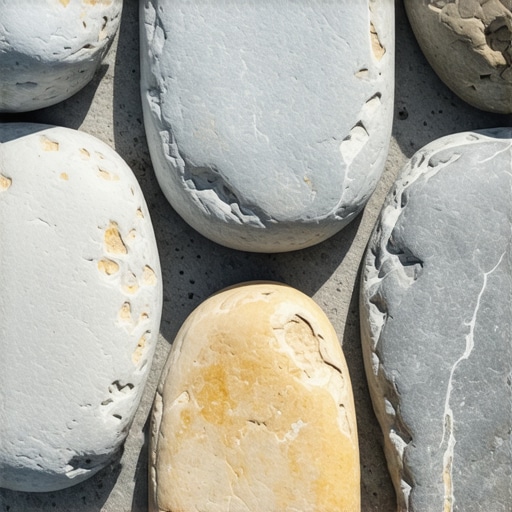
It was late afternoon when I stepped onto my cracked, uneven patio, the sun casting shadows that highlighted every flaw. Frustration crept in as I realized that despite my best efforts, my outdoor space was deteriorating faster than I could keep up. Have you ever looked out at your patio, only to see cracks, shifting stones, or weeds poking through, and thought, “This isn’t the outdoor space I envisioned”? That was my lightbulb moment, realizing that choosing the right materials early on could have saved me countless headaches later.
Understanding the importance of durable, stylish patio stones is essential, especially with 2026 just around the corner. With climate change bringing unpredictable weather patterns, the quality of our hardscape materials has never mattered more. According to the Concrete Network, certain stones can withstand over 50 years of harsh conditions, making them a smart choice for long-term investment. Ensuring your patio stones can battle the elements and resist cracking is the first step toward a resilient outdoor space.
Why Modern Patios Require More Than Just Nice Looks
In today’s outdoor design, aesthetics are just one piece of the puzzle. A modern patio must be functional, sustainable, and built to last. The shift towards more durable, low-maintenance materials comes from real-world lessons I’ve learned, trial and error that I wouldn’t wish on anyone. You see, I made a critical mistake early in my landscaping journey—selecting stones based solely on appearance without considering how they performed under our local weather conditions, leading to cracks and shifting within two years. That’s why I now advocate for a careful selection process, focusing on stones that combine beauty with toughness.
If you’re wondering whether investing in high-quality stones is worth it, think about how much time and money you’ll save on repairs and replacements. When I started exploring options, I found some innovative stones like permeable pavers and textured concrete that resist cracking and are environmentally friendly. A closer look at trends reveals that these options are fast becoming the standard for stylish, sustainable outdoor spaces. If you’d like to avoid the pitfalls I encountered, check out [hardscaping trends for 2025](https://lawnmajesty.com/hardscaping-trends-2025-innovative-ideas-for-outdoor-spaces) for ideas that marry form and function seamlessly.
So, if your current patio is cracked or uneven, or you just want to stay ahead of the curve, it’s time to consider what the best stones are for the upcoming years. Let’s dive into the top five stones that will help you build a modern, resilient patio for 2026 and beyond.
Assess Your Site and Create a Plan
Begin by examining your outdoor space’s characteristics, including sun exposure, drainage, and soil type. I once spent an afternoon sketching layout ideas on a scrap of paper, noting shaded areas and high-traffic zones. This step ensures you choose stones that withstand local weather and usage patterns.
Research Material Options and Durability
Prioritize stones known for longevity, such as natural granite or high-quality concrete pavers. I compared brands online and retrieved samples, noticing some cracked under the afternoon sun, while others remained pristine. Opt for materials with proven resistance to cracking, fading, and shifting, which are crucial as climate change introduces more extreme conditions.
Select the Correct Thickness and Size
For stability, choose stones at least 2.5 inches thick, especially for walkways or driveways. I once tried thinner pavers in a high-traffic area, only to see them crack after a year. Larger stones distribute weight better and resist movement, much like laying a solid foundation for a house, preventing future issues.
Prepare the Base Layer Properly
Excavate the area to a depth of 4-6 inches, removing organic matter and loose soil. Then, add a compacted gravel base topped with a layer of sharp sand. During my first DIY project, neglecting proper compaction led to uneven settling and cracking. Proper base preparation is like building a sturdy table—every layer must be firm and level.
Ensure Proper Installation Techniques
Lay stones tightly together, using a rubber mallet to fit them snugly. Use a level to keep surfaces even, and add jointing sand or mortar, depending on your design. I once left gaps between stones, which filled with weeds and dirt over time—unattractive and hard to fix. Precise placement prevents shifting and preserves your patio’s integrity for years to come.
Implement Drainage Solutions for Long-Term Integrity
Incorporate permeable materials or drainage gravel beneath your stones to prevent water pooling. I installed a few permeable pavers, which redirected rainwater efficiently. This step reduces pressure on the stones and base, preventing cracks and sinking, especially important as storm intensity increases.
Seal and Maintain Your Patio
Applying a clear sealant can protect stones from staining and weathering. Regularly remove debris and check for early signs of damage. I once neglected maintenance, resulting in moss growth and surface deterioration, which I fixed by power washing and resealing. Sustainable upkeep extends the life of your investment and keeps your outdoor space looking its best.
While many homeowners believe they understand the fundamentals of landscaping, there are subtle pitfalls that can sabotage even well-intentioned projects. One prevalent myth is that prioritizing aesthetics alone guarantees a long-lasting, sustainable garden. In reality, neglecting the importance of site-specific considerations—like soil type, drainage, and microclimates—can lead to costly mistakes, such as plant failures or hardscape shifts. For example, planting drought-tolerant succulents without assessing sun exposure or soil drainage can result in poor growth or disease, undermining your whole design.
What advanced irrigation techniques truly optimize water conservation without sacrificing plant health?
In my experience, many assume that traditional irrigation systems suffice, but experts emphasize designing passive, zoned watering setups that target specific plant needs while reducing waste. A 2023 study from the University of California found that integrating drip irrigation with soil moisture sensors can decrease water use by up to 50%, ensuring efficiency and plant vitality. Such advanced strategies are often overlooked because they require initial investment and planning, but they pay off by preventing overwatering or drought stress, especially as climate fluctuations become more unpredictable.
Another common oversight involves underestimating the importance of layered planting and spatial planning. The misconception that filling a space with a few large trees and a lawn will create harmony misses the nuance of visual flow, height variation, and ecological balance. Incorporating native plants and diverse textures not only enhances aesthetic appeal but also supports local biodiversity and reduces maintenance time. Sites that ignore these factors often face challenges like invasive species takeover or soil erosion. To navigate these complexities, studying successful regional garden designs can provide inspiration and proven principles.
Being aware of these hidden details can be your secret weapon. For deeper insights, I recommend exploring innovative [landscaping design tips for 2025](https://lawnmajesty.com/landscaping-design-tips-create-stunning-gardens-for-2025-success), which delve into nuanced strategies that marry form and function seamlessly. Have you ever fallen into this trap? Let me know in the comments.
Keep It Working: Tools and Maintenance for a Beautiful, Resilient Landscape
Investing in the right tools is crucial for maintaining your garden and hardscaping features effectively over time. I personally rely on a set of specialized equipment that saves time and ensures quality results. One of my favorite investments is a high-quality mulch blower, which makes spreading mulch around trees and flower beds quick and uniform, reducing weed growth and moisture loss. Additionally, a rechargeable cordless trimmer with adjustable heads allows me to trim edges and define borders precisely without the hassle of tangled cords or heavy fuel equipment.
When it comes to lawn care, I prefer a robotic mower, which I program to maintain the grass evenly and quietly while I focus on other landscape projects. These devices integrate with smart home systems, allowing me to schedule mowing sessions and monitor performance remotely. This automation not only saves me hours weekly but also promotes a consistently healthy lawn—proof that technology can streamline outdoor maintenance.
Beyond equipment, adopting a routine maintenance schedule is vital. Regular inspections for cracks, weeds, or shifting stones help catch problems early. I check my hardscaping installations every month, using a simple hand-held level for ensuring evenness and a moisture meter to gauge soil hydration, preventing issues like erosion or plant stress. For irrigation, I rely on smart controllers that adjust watering based on weather forecasts, reducing water waste and promoting plant health. These systems are especially Foreseeing future trends, smart irrigation and automated garden care will become standard, making maintenance more efficient and eco-friendly.
For long-term results, maintaining soil health is a priority. I apply organic compost and perform aeration every year, which enhances root growth and nutrient uptake. Using a core aerator ensures that soil remains loose and well-drained, curbing problems like compacted clay or poor drainage that can lead to plant stress.
If you want to consistently keep your landscaping in top shape, I recommend trying a combination of a smart irrigation system and regular soil aeration. These tools are game-changers for sustainable, low-maintenance outdoor spaces. Need deeper insights? Check out this guide on passive irrigation tricks to master water efficiency. Remember, the key is not just installing features but maintaining them proactively—your garden and hardscape will thank you for years to come.
The Hardest Lessons I Learned About Landscaping and Hardscaping
One of my most impactful lessons was rushing into material choices without considering climate resilience, leading to costly repairs and replacements. I once prioritized aesthetic appeal over durability, only to face cracking and shifting in just a few years. This experience taught me the importance of thorough site assessment and selecting stones proven to withstand local weather patterns, which can be explored further in hardscaping trends for 2025.
Why DIY Can Turn into a Costly Mistake Without Proper Knowledge
I learned that proper base preparation and installation techniques are non-negotiable for a stable, long-lasting patio. Skimping on these steps or rushing the process may seem fine initially but can result in uneven surfaces or cracks over time. Investing in education, such as reading trusted guides or consulting experts, makes a significant difference, and resources like expert landscaping tips can save you trouble later.
Understanding the Future of Sustainable Outdoor Spaces
Emerging trends reveal a shift toward eco-friendly, low-maintenance materials like permeable pavers and native plantings. Embracing these innovations not only boosts resilience against climate change but also reduces your environmental footprint. The integration of smart irrigation systems and layered planting strategies, detailed in passive irrigation tricks, exemplifies how technology can enhance sustainability in your landscape.
My Essential Toolbox for Hardscaping and Lawn Care
Over the years, I found that investing in high-quality tools like a robust mulcher, cordless trimmers, and smart controllers makes maintenance more efficient and less tiresome. For soil health, core aerators and organic compost are indispensable. My go-to sources for equipment and advice include trusted sites like privacy fence ideas and permeable pavers for drainage.
Your Outdoor Future Starts Now
Building a resilient, beautiful outdoor space is an ongoing journey that combines learning, experimentation, and adaptation. Embracing innovative ideas and staying proactive with maintenance are your keys to success. Whether you’re planning a full redesign or just refining your lawn care routine, remember that each step today shapes your landscape’s future.
What’s one obstacle you’re facing in making your outdoor space more durable or sustainable? Share your experience below—I’d love to hear your story!
,
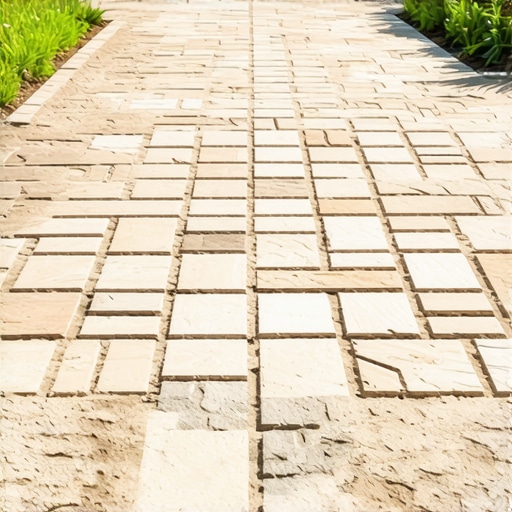
![4 Hidden Reasons Your 2026 Paver Path is Shifting [Fixes]](https://lawnmajesty.com/wp-content/uploads/2026/02/4-Hidden-Reasons-Your-2026-Paver-Path-is-Shifting-Fixes.jpeg)
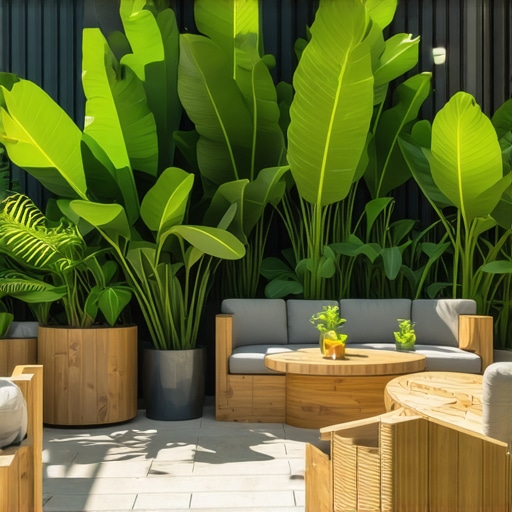
![5 Non-Slip Stone Finishes for Safe 2026 Pool Decks [Tested]](https://lawnmajesty.com/wp-content/uploads/2026/02/5-Non-Slip-Stone-Finishes-for-Safe-2026-Pool-Decks-Tested.jpeg)