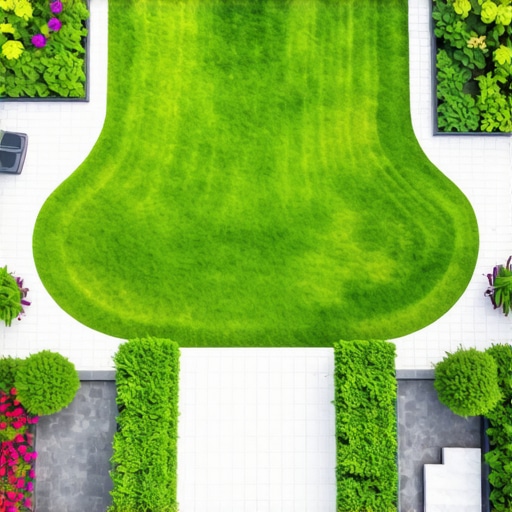
Have you ever spent a scorching summer weekend battling your lawn mower, only to end up exhausted and dissatisfied with the patchy, overgrown grass that still refuses to look perfect? I sure have. There was a time when I believed that a pristine, traditional lawn was the hallmark of a well-kept yard. But after countless hours of mowing, watering, and endless maintenance, I realized I was pouring my time and resources into a losing battle.
One lightbulb moment changed everything: what if I could replace that high-maintenance turf with something equally lush but far more resilient and easier to care for? That’s when I started exploring ground covers that could truly thrive in my yard’s unique conditions. Fast forward to today, and I can honestly say my lawn has transformed—not only in appearance but in how much effort I need to put in. Now, instead of spending weekends with a mower, I enjoy my outdoor space with confidence.
Why It’s Time to Rethink Your Lawn Approach
The truth is, traditional grass lawns are no longer the only way to define a beautiful outdoor space. With advances in gardening and landscaping, particularly in selecting hardy ground covers, you’d be surprised at how much easier—and more sustainable—your lawn can become. Switching to ground covers isn’t just about reducing your workload; it’s about creating a resilient landscape that can withstand droughts, pests, and frequent foot traffic without constant intervention. Plus, many ground covers actually improve soil health and suppress weeds naturally, making your yard more sustainable in the long run.
Early in my journey, I made the mistake of planting a ground cover that wasn’t suited for my climate—trust me, that’s a quick way to frustration. Now I know that selecting the right species depends on local soil conditions, sun exposure, and your personal goals. That’s why I’ve researched some of the best options for 2026, so you don’t have to repeat that mistake. If you’ve ever felt overwhelmed by your current lawn’s demands or questioned if there’s a more practical way, you’re not alone.
Will Ground Covers Really Save Me Time and Money?
Honestly, I was skeptical at first. It seemed too good to be true—that a simple change could dramatically cut maintenance costs and effort. But evidence shows that replacing turf with hardy ground covers can significantly reduce water usage, fertilizer needs, and mowing times. According to a recent study by the University of California, lawns replaced with native ground covers can cut overall water consumption by up to 70%. That’s a game-changer, especially with water restrictions becoming more common in many areas.
And here’s the kicker: selecting the right ground cover can make your yard vibrant and inviting without the constant fuss. Have you already faced the frustration of a lawn that dries out, becomes patchy, or needs frequent fertilization? If so, then you’re prime for a garden makeover that’s both beautiful and sustainable.
Now, let’s dive into how you can choose the perfect ground covers for your lawn and start transforming your outdoor space today—less work, more beauty.
,
Select the Right Ground Cover Plants
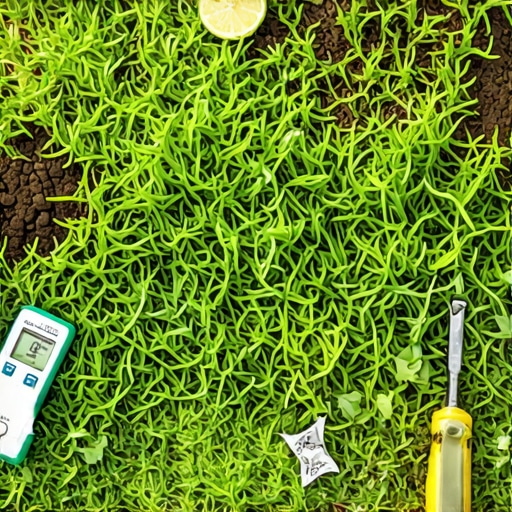
Begin by assessing your local climate, soil type, and sunlight exposure. I once cleared a patch of my yard with a rough spade, then laid out various ground cover samples—like creeping thyme, clover, and sedum—before planting. This hands-on testing revealed which species thrived despite my shady spots and dry areas, giving me a clearer path forward. Use resources like [landscape design tips](https://lawnmajesty.com/ultimate-garden-design-tips-for-stunning-landscapes-in-2025) to determine the best options for your region.
Prepare and Plan Your Space
Clearing the existing grass layer is essential. I used a sod cutter to remove the turf, creating a level, weed-free foundation. Smooth out the soil and incorporate compost to enhance fertility. Think of this step as laying a strong canvas before painting—your ground cover’s success depends on proper preparation. Pay attention to drainage issues; moist or waterlogged areas need special attention, like installing passive irrigation tricks discussed in [this guide](https://lawnmajesty.com/stop-overwatering-5-passive-irrigation-tricks-for-2026).
Plant Strategically for Maximum Impact
Plant your chosen ground covers in clusters, matching their growth habits. For instance, dense sedum works well in rocky corners, while creeping thyme can fill in gaps between stones. I recommend planting during early spring or late fall for establishment, avoiding extreme heat or cold. Use a garden trowel for precision, and space plants according to their mature spread—think of it as planting a crowd that will grow together harmoniously.
Implement Efficient Maintenance Practices
Limit watering initially, using insights from [passive irrigation](https://lawnmajesty.com/stop-overwatering-5-passive-irrigation-tricks-for-2026) to conserve water once established. Mulching around plants reduces weeds and retains moisture, cutting down maintenance further. I found that trimming or pruning isn’t necessary, as many ground covers like clover naturally self-repair. This approach diminishes your need for fertilizers and pesticides, making your yard more sustainable.
Incorporate Hardscaping Elements for Style
Combine your ground cover with sleek hardscaping features—such as stone pathways or low walls—to create a modern look. Integrate ideas from [hardscaping trends](https://lawnmajesty.com/hardscaping-trends-2025-innovative-ideas-to-transform-your-outdoor-space) to enhance aesthetic appeal and functionality. For example, installing permeable pavers reduces runoff and water wastage, aligning form with eco-friendly practices. I experimented with recycled stone and gravel, quickly transforming a dull corner into a stylish, low-maintenance feature.
Monitor and Adjust for Long-Term Success
Regularly observe how your ground cover performs through different seasons. Address bare patches by overseeding or replanting. I kept a simple journal to track growth patterns and pest issues, enabling me to refine my approach over time. Remember, creating a sustainable lawn alternative isn’t a set-it-and-forget-it task—it requires thoughtful attention, but with proper techniques, you’ll enjoy a lush, effortless landscape that lasts.
Many homeowners approach hardscaping, lawn care, and garden design with a set of common assumptions that, surprisingly, often lead to suboptimal results. One widespread misconception is that more aggressive lawn fertilization guarantees lush, green grass. In reality, this can cause nutrient runoff and soil imbalances, making your lawn more vulnerable in the long run. Experts emphasize adopting a balanced fertilization routine, tailored to your soil’s specific needs, which you can determine through comprehensive soil testing.
Another frequently overlooked nuance lies in hardscaping designs. Many assume that large, shiny stone pavements are always the answer for aesthetic appeal, but overuse of hard surfaces can lead to increased heat absorption and runoff issues. Instead, integrating the right mix of permeable materials and greenery not only enhances visual appeal but also improves microclimates and water management.
Now, consider the common myth that inching closer to perfection with continuous mowing or pruning results in a healthier yard. Contrary to this belief, excessively trimming your lawn can stress grass and promote weed invasion. Allowing grasses to develop to their natural height, as discussed in modern lawn care tips, encourages stronger root systems and resilience. Achieving this balance requires patience and understanding of your specific grass type and climate conditions.
Why Do Some Landscaping Techniques Yield Unexpected Results?
It’s a good question that often trips up even seasoned gardeners. For instance, installing a decorative water feature without considering its maintenance needs can turn into an ongoing headache. Many assume that visually appealing elements are low-maintenance, but static water features can become breeding grounds for pests or algae if not properly designed and maintained. According to landscape professionals, integrating automated cleaning systems or choosing self-sustaining setups can make a significant difference in long-term maintenance.
Another trap is neglecting the importance of plant placement relative to sun exposure, wind, and soil conditions. Planting a sun-loving shrub in a shaded corner or a moisture-sensitive plant atop well-drained soil can compromise growth and survival. Careful site assessment and deliberate plant pairing can prevent costly replacements and frustration, as highlighted in comprehensive hardscaping and landscaping trend reports.
Remember, every design element and lawn care practice has its nuanced reasons for success or failure. By understanding these underlying principles—rather than just following popular trends—you’ll craft a resilient, beautiful outdoor space that endures over time. Have you ever fallen into this trap? Let me know in the comments.
Tools I Trust for Easy Maintenance
Keeping your hardscaping features and garden elements in pristine condition requires precise tools that match their complexity. I personally swear by a high-quality cordless electric pressure washer, such as the Karcher K5 Premium, for cleaning patios and stone pathways. Its adjustable pressure settings allow me to remove dirt and moss without damaging delicate surfaces. For edging and trimming around hardscapes, a cordless grass shear like the Bosch EasyCut, combined with precision pruning shears, ensures clean lines and minimal effort. When dealing with uneven pavers or stones that have shifted over time, a compact plate compactor helps in resetting the surfaces securely, preventing tripping hazards and maintaining structural integrity.
Digital Tools to Master Your Landscape
Embracing technology has revolutionized how I manage my outdoor spaces. I rely on landscape design software like SketchUp for visualizing hardscape layouts before implementation, saving time and ensuring allocations are accurate. For irrigation management, an programmable smart controller such as Rachio allows me to schedule watering based on weather forecasts, reducing water waste and promoting healthy plant growth. Additionally, apps like Garden Plan Pro help me keep track of seasonal plant care, ensuring I don’t miss vital fertilization or pruning windows. These tools streamline maintenance and help me catch potential issues early, improving long-term results.
Creating a Long-Lasting Hardscape
Longevity depends heavily on proper planning, installation, and ongoing care. To ensure your outdoor features last, I recommend adopting a scheduled maintenance routine—monthly inspections, cleaning, and minor repairs. Using sealants on stone or concrete surfaces every few years helps prevent staining and cracking, especially in climates with freeze-thaw cycles. Furthermore, integrating edge barriers like metal or plastic dividers can reduce paver shifting, keeping your pathways neat. As the trend shifts towards sustainable hardscaping, using permeable pavers and eco-friendly sealants will be increasingly important, aligning your landscape with future-focused practices. For inspiration, I advise exploring the latest hardscaping ideas to stay ahead of the curve.
How do I maintain my landscape and hardscape over time?
Consistent upkeep is key. Regularly sweep and wash hard surfaces to prevent moss and algae build-up. Inspect for any shifting or cracks, addressing them immediately with appropriate repairs—delaying fixes can lead to larger, costlier issues. I find that setting a seasonal schedule for resealing surfaces and trimming plants keeps everything looking tidy. Incorporating tools like a handheld power scraper can assist in removing stubborn debris without damaging your features. Planning ahead with maintenance checklists and using quality sealants and repair materials—such as those recommended by leading experts—ensures your outdoor space remains beautiful and functional for decades. Don’t hesitate to try advanced tips like sealing pavers bi-annually to extend their life—it’s a game-changer for maintaining your hardscape’s appeal.
The Hardest Lesson I Learned About hardscaping,garden design,lawn care,landscaping
- Resisting the urge to over-fertilize was a game-changer. It taught me that more isn’t always better; instead, understanding my soil’s needs through proper testing led to healthier plants with less intervention.
- Skimping on research before planting created unnecessary setbacks. Now, I always tailor plant choices to my local climate, which saves time and resources in the long run.
- Neglecting drainage during hardscape installation costs me dearly. I learned that investing time in proper planning prevents costly repairs and preserves the beauty of my outdoor features.
- Valuing patience over perfection transformed my mindset. Allowing plants to establish naturally has resulted in a more resilient and thriving landscape.
- Experimenting with integrated passive irrigation has reduced my water bills and made maintenance enjoyable, proving that innovative solutions can be simple and effective.
My Essential Toolkit for Garden Transformation
- Karcher K5 Premium Pressure Washer: I trust this for its adjustable settings, making cleaning hardscapes straightforward without risking damage.
- SketchUp Landscape Software: Visualizing my design ideas in 3D has saved me countless headaches during installation and inspired creative layouts.
- Rachio Smart Irrigation Controller: Automating watering based on weather forecasts has significantly cut down water waste and kept my garden lush.
- Garden Plan Pro App: Planning seasonal care is effortless, ensuring I never miss vital tasks that keep my landscape thriving.
Your Turn to Try
Embarking on a garden makeover with ground covers and smart hardscaping can truly revolutionize your outdoor space. The key lies in learning from both expert insights and personal experiences, allowing your landscape to flourish sustainably. Remember, every successful transformation starts with small, intentional steps—trust your instincts and enjoy the journey toward a beautiful, low-maintenance yard. Have you already tried a ground cover or innovative hardscaping technique that made a difference? Share your story below, and let’s inspire each other to build resilient, stunning outdoor spaces.