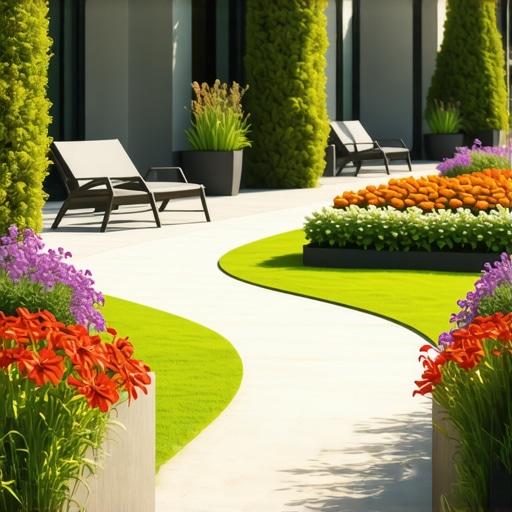
I remember the moment vividly—standing in my backyard, utterly frustrated. The grass was patchy, the flowerbeds lacked cohesion, and my hardscaping looked more slapdash than stylish. I had invested so much time and hope into creating a beautiful outdoor space, but every attempt seemed to fall flat. It was a lightbulb moment that inspired me to dig deeper into professional landscaping strategies that truly make a difference.
If you’re like me, you probably dream of a garden that feels inviting and polished, yet find yourself stuck on where to start or how to elevate what you already have. The good news is, with a few expert tips and a clear plan, you can turn your yard into a stunning oasis by 2025. Today, I promise we’ll explore practical, proven ideas that will help you craft a garden that’s both beautiful and sustainable, avoiding common pitfalls along the way.
Ever Felt Overwhelmed by Landscaping Options and Doubted Their Worth?
Many home gardeners hesitate, thinking, “Will this investment really pay off?” or “Is this trend worth chasing?” I used to think that way, too, especially when overwhelmed by the multitude of ideas online. Early in my journey, I made a costly mistake—buying into flashy hardscaping without considering how it would blend with my existing landscape. It seemed impressive upfront but ended up being impractical, and I learned that not every trendy feature suits every yard.
Knowing what truly works in 2025 is more important than ever. Studies show that incorporating contemporary landscaping elements can enhance not just the beauty but also the value of your home. To stay ahead, it’s essential to focus on sustainable, stylish, and functional designs. For further inspiration, I recommend checking out the latest trends on hardscaping and landscaping design, available at [Lawn Majesty](https://lawnmajesty.com/landscaping-design-trends-2025-innovative-techniques-for-stunning-gardens).
Now that we’ve acknowledged the common doubts and mistakes, let’s dive into actionable waypoints that will elevate your garden, making it the envy of your neighborhood and a true reflection of your personal style.
Plan Your Space with Precision
Start by mapping out your yard on graph paper or using digital tools. Break down the area into zones: a relaxing lounge, a veggie patch, and ornamental beds. Consider sunlight, shade, and drainage—these factors influence plant choices and hardscaping placement. Think about flow and accessibility, ensuring routes connect different zones seamlessly. I once spent an afternoon sketching my yard, marking existing trees and sun paths, which prevented me from placing a water feature where the shade caused algae issues.
Choose Materials That Last and Impress
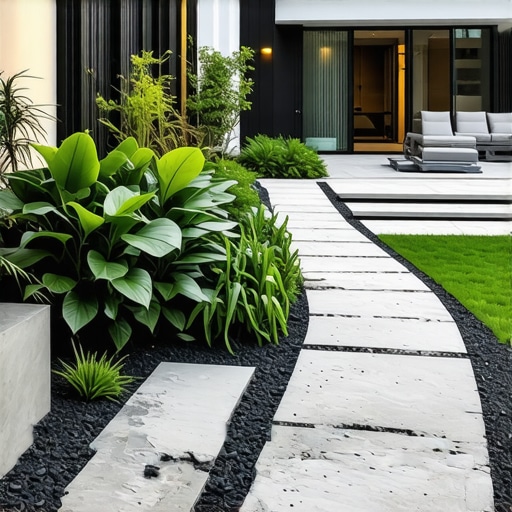
Select durable, low-maintenance materials for pathways and hardscapes, such as decorative concrete, natural stone, or composite pavers. Think of hardscaping like framing a picture; it sets the scene for the greenery. I experimented with various stones, balancing aesthetics and cost—eventually settling on basalt with a textured finish that resisted slipping when wet. For inspiration, check out hardscaping trends 2025.
Select Plants that Thrive and Accent
Identify native or well-adapted plants suited for your climate. Mix evergreen shrubs for year-round structure with flowering perennials for seasonal color. Group plants with similar watering and light needs to simplify maintenance. I once planted a border of lavender alongside ornamental grasses; initially, the layout looked chaotic, but as they matured, they created a natural, soothing vibe. Use visual guides like landscaping design trends for contemporary aesthetics.
Install Efficient Irrigation Systems
Upgrade to drip irrigation or smart sprinklers connected to weather sensors. These tools minimize waste and keep plants consistently hydrated, especially during heatwaves. Think of this as your yard’s circulatory system—delivering life and vibrancy while saving water. I installed a drip system last spring and loved how it freed up my mornings from hand-watering. For tips, see modern lawn care 2025.
Implement Lighting to Illuminate and Protect
Outdoor lighting enhances safety and highlights design features at night. Use solar lights along pathways, uplights for trees, and accent lights on water features. Proper lighting is like the finishing brushstroke—it brings your landscape to life after dark. I used dusk-to-dawn sensor lights that automatically turn on, creating a cozy ambiance without extra effort. For modern ideas, explore modern hardscaping ideas.
Execute and Adjust with Confidence
Lay your hardscape elements first, then plant according to your plan. Ensure plants have sufficient space to grow—crowding leads to issues down the line. Regularly assess your progress, noting which features thrive and which need tweaks. I once hastily planted a hedge that grew unevenly; I ended up removing and reshaping it after realizing the initial spacing was off. Success comes from patience and fine-tuning, making your garden a living masterpiece, not a static project. Dive into garden design inspiration for ongoing ideas.Many homeowners assume that achieving a lush, vibrant lawn or a stunning garden is simply a matter of routine watering and fertilizer, but in my experience, this oversimplification often leads to costly mistakes. One prevalent misconception is that more watering automatically results in healthier grass, but overwatering can cause root rot and fungal diseases, ultimately weakening your lawn. Instead, understanding the nuances of soil health and proper irrigation schedules is crucial—consider exploring advanced irrigation systems like smart sprinklers that adjust based on weather conditions, which is a game-changer in modern lawn care. Additionally, there’s a common myth that every plant is suitable for any garden; however, selecting native or well-adapted species aligned with your climate ensures sustainability and reduces maintenance. I once battled with drought-tolerant plants because I underestimated the importance of soil preparation, leading to a cycle of constant watering. Remember, the key is strategic planning and embracing modern, scientifically-backed techniques rather than relying on outdated methods. For instance, integrating drought-resistant grasses and efficient landscaping designs can drastically cut water use while maintaining beauty, aligning with the latest trends in sustainable outdoor living. Furthermore, many believe that hardscaping features like patios and pathways are purely decorative, but when implemented thoughtfully, they enhance functionality and even direct the flow of water away from vulnerable areas—reducing erosion and runoff. A misstep here can lead to drainage problems and damage to your landscape. To avoid these pitfalls, I recommend studying the latest hardscaping trends, which often include innovative permeable materials that promote rainwater absorption. In-depth knowledge of these advanced techniques can save you time, money, and frustration. Have you ever fallen into this trap? Let me know in the comments. By differentiating between myths and facts, and using scientifically-supported strategies, your outdoor project will stand the test of time and trends. For more insights on elevating your landscape’s success, check out expert guides and case studies available in comprehensive resources like the professional landscape design tips linked above.Maintaining a lush, healthy lawn over the years requires more than just occasional watering and fertilizing; it demands the right tools and consistent practices. One of my go-to investments has been a high-quality cordless leaf blower. I prefer the Ego Power+ LB6000, because its battery longevity allows me to clear debris quickly without the noise and fumes of gas-powered models, making maintenance safer and more enjoyable. To stay on top of soil health, I rely on a soil pH tester like the Rapitest Soil Test Kit, which provides instant readings, helping me adjust amendments precisely and avoid issues like nutrient deficiencies. When it comes to watering, I recommend a smart irrigation controller such as Rachio. This device syncs with weather data to optimize watering schedules, reducing waste and promoting drought-resistance—crucial as climate patterns shift towards more extreme conditions. Regular aeration is another essential step, for which I use a plug aerator like the Agri-Fab 45-0299. Aeration relieves compaction, allowing water and nutrients to penetrate deeply, improving grass root strength. For ongoing landscape design, I utilize landscape design software like SketchUp, which enables me to visualize changes before committing, saving money and reducing mistakes. Looking ahead, I believe that integrating IoT sensors into lawns will become standard, offering real-time health diagnostics. This evolution will make maintenance more data-driven, precise, and efficient.
**How do I maintain my lawn tools over time?** Proper storage, regular cleaning, and timely blade sharpening are essential to keep equipment performing at its best. For example, after each use, I clean my power tools with a damp cloth and store them in a dry, temperature-controlled space. Sharpening blades annually ensures clean cuts, which are vital for turf health, as highlighted in the technical guide from John Deere’s Turf Care division. Implementing regular maintenance routines like these prolongs tool lifespan and ensures optimal results season after season.
If you’re ready to elevate your lawn care game, I recommend trying the advanced watering schedule provided by the Rachio smart controller. It not only automates your watering but also reduces your water bills and promotes healthier turf—an investment that pays off over the long haul. For further insights on landscape maintenance technologies, consider exploring detailed manuals from professional landscaping brands or industry experts like Monty Don, who emphasizes the importance of routine care in sustainable gardening practices.
Over the years, I’ve discovered that the real key to a stunning, sustainable outdoor space isn’t just following trends but understanding the subtle nuances that elevate your garden beyond the ordinary. One profound lesson I learned is that patience and adaptability often outshine quick fixes. Instead of rushing into the latest hardscaping craze, I focused on creating harmony between my plant choices, materials, and the natural environment, which resulted in a space that feels both modern and timeless.
Another insight is the importance of continuous learning. Staying updated with innovations like permeable paving materials or smart irrigation systems allows you to make informed decisions that save money and become environmentally friendly in your landscape design. I remember experimenting with different soil amendments and observing how slight adjustments led to healthier plants and vibrant blooms, reinforcing that success often lies in the details.
Lastly, embracing community and expert advice can significantly accelerate your progress. Engaging with local horticultural groups or reading from trusted sources such as landscaping design trends for 2025 has opened my eyes to innovative ideas I wouldn’t have discovered alone. Remember, the journey to a beautiful garden is ongoing, filled with lessons, adjustments, and personal touches that reflect your unique style.
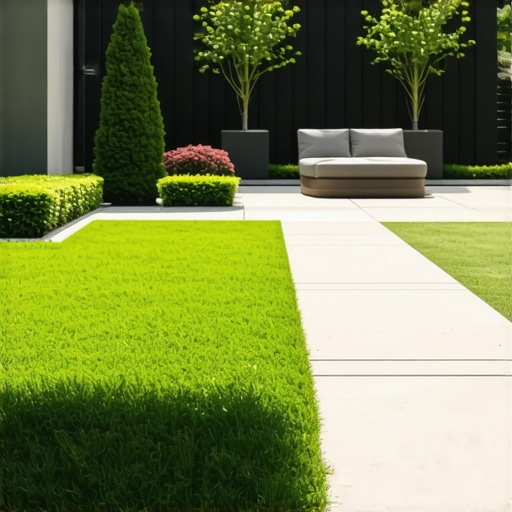
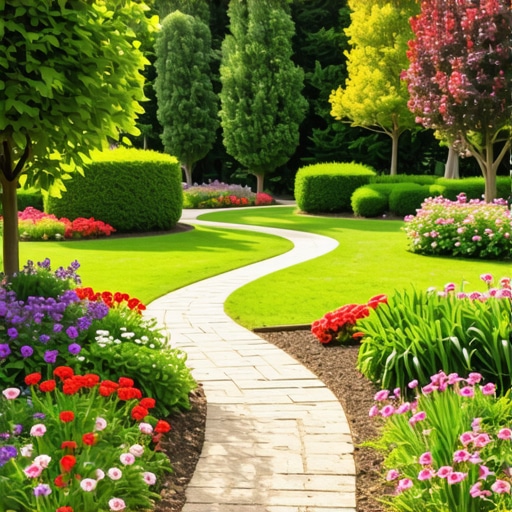
Reading this post really resonates with my own journey in transforming an overgrown, neglected yard into a welcoming outdoor space. I especially appreciate the emphasis on mapping out zones—early planning saved me from making costly mistakes, like placing a water feature where shaded roots caused algae. Over the years, I’ve realized that selecting the right materials and native plants not only enhances the aesthetic but also reduces maintenance and water use.
One challenge I faced was choosing the right irrigation system. I’m curious, for those who have integrated smart sprinklers, how have you found their performance during unpredictable weather? I’m considering upgrading to a weather-aware system to help conserve water and protect my plants. Also, I’d love to hear other tips on blending hardscape with greenery for a seamless look. This ongoing learning process makes gardening both challenging and rewarding, and I look forward to seeing how others are innovating in landscape design.
This post really hits home about the importance of strategic planning in landscape design. I’ve learned from personal experience that taking the time to carefully map out zones and consider plant choices based on sunlight and drainage can make all the difference in the long run. I especially agree with the idea of blending hardscaping with natural elements—using durable materials that also complement the surrounding environment creates that seamless, polished look.
One challenge I faced was selecting the right lighting to both enhance aesthetics and provide security. I found that layered lighting—combining pathway LEDs, uplights for trees, and accent lighting for water features—really brings a landscape to life after sunset. Solar-powered options especially work well in my yard and cut down on electricity costs.
For those working on similar projects, how do you balance aesthetics with functionality when considering hardscape and planting? Do you have preferred materials or design tricks that help make your landscape both beautiful and practical? Always eager to hear diverse approaches—gardening and designing really is a continuous learning process.