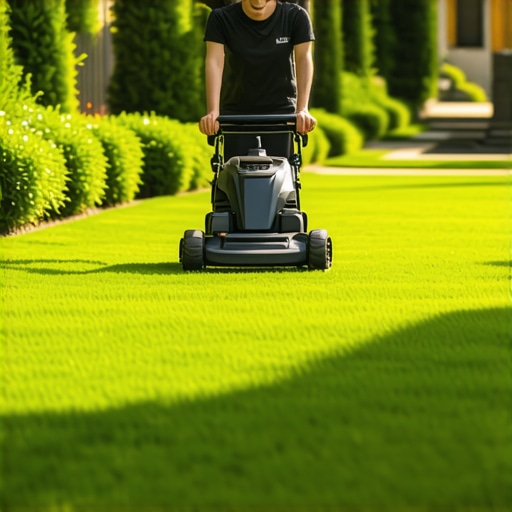
It was a humid spring morning when I stood over my lawn, realizing that despite following conventional advice, my grass looked dull and patchy. I had spent hours watering, fertilizing, and mowing, yet the garden didn’t feel vibrant or healthy. That lightbulb moment hit me — I was stuck in outdated lawn care routines that no longer cut it in 2025. Since then, I’ve discovered that embracing modern lawn care techniques can truly transform your outdoor space into a lush, thriving sanctuary.
Why Staying Ahead with Lawn Care Matters in 2025
In recent years, lawn and garden care have evolved rapidly, driven by innovations in technology, sustainability, and climate awareness. If you’re still clinging to old habits, your garden might struggle to keep up with the changing environment and your aesthetic desires. Modern lawn care isn’t just about aesthetics; it’s about creating a resilient, low-maintenance outdoor space that withstands the stresses of a changing climate. I’ve learned that integrating new practices, like smart irrigation systems or eco-friendly fertilization, not only boosts the health of your lawn but also reduces water and chemical usage.
Are you frustrated by a lawn that looks good for only a few weeks, then turns patchy or brown? Do you wonder if there are smarter, more effective ways to care for your greens? You’re not alone. Early on, I made the mistake of overwatering and using generic fertilizers, which only made my lawn weaker. Trust me, avoiding such pitfalls makes all the difference.
Is Modern Lawn Care Overhyped or Truly Worth It?
Many skeptics ask whether adopting these new techniques is worth the effort and cost. Honestly, I questioned it myself at first. But when I started experimenting with efficient watering schedules and soil health improvements recommended by experts, my lawn began to *transform*. According to recent studies, sustainable lawn practices can reduce water usage by up to 50%, which not only saves you money but also conserves precious resources. If you’re facing similar doubts or challenges, I encourage you to explore innovative ideas tailored for 2025. For example, you might find inspiration [here](https://lawnmajesty.com/top-garden-design-inspiration-lawn-care-tips-for-2025) for integrating design and care strategies.
In the next sections, I’ll walk you through practical, up-to-date tips that’ll help you cultivate a healthy, lush garden. Whether you’re a weekend gardener or a dedicated landscaper, adopting these modern approaches will set you apart from the average homeowner still relying on yesterday’s methods.
Start with Soil Mastery
Before planting anything, test your soil’s pH and nutrient levels using a simple kit from your local garden store—think of it as diagnosing your lawn’s health like a doctor. Fill in nutrient gaps with organic compost and choose fertilizers based on your soil’s specific needs, avoiding generic chemical mixes that can harm beneficial microbes. I remember applying a balanced organic fertilizer and seeing my grass turn from dull to vibrant within weeks. Regularly aerate your soil using a backyard aerator, which acts like a breath of fresh air, allowing water and nutrients to reach roots efficiently.
Embrace Smart Watering Strategies
Cut down water waste by installing a smart irrigation system connected to weather data—it’s like giving your lawn a personalized hydration plan. Set your system to water deeply during early mornings, mimicking natural dew cycles, which encourages strong root growth. I once installed a drip irrigation setup that adjusted automatically during dry spells, resulting in less runoff and healthier grass. Think of it as moving from hand-watering to a professional hydration system that conserves resources while keeping your lawn lush.
Choose the Right Lawn Plants and Grass Types
Don’t waste energy on high-maintenance species. Opt for drought-resistant, native grasses that thrive in your climate—it’s like choosing a sports car over a rusty old pickup; the right choice makes the journey smoother. Research your region’s native species through dedicated resources and consider their resilience to pests and weather extremes. When I replaced my traditional Bermuda grass with a native fescue blend, I spent less time fighting weeds and more enjoying my garden. This approach is akin to selecting the right gear for your outdoor conditions, ensuring long-term success.
Implement Creative and Functional Hardscaping
Transform empty patches with stylish pathways or seating areas, making your yard more inviting and easier to maintain. Think of hardscaping as building the frame of a house—while plants are the decorations, a sturdy foundation keeps everything in place. Use permeable paving stones to promote water absorption and reduce runoff, making your landscape more sustainable. I once laid a stone path using modular pieces that I could reposition later—this flexibility allowed me to experiment without permanent commitments. This method acts like giving your backyard a designer’s touch that also serves practical needs, elevating the overall aesthetic.
Focus on Sustainable Landscape Design
Plan your garden layout to maximize shade and minimize exposure to harsh sun, reducing water and cooling costs. Incorporate native plants that require less maintenance and attract beneficial insects—the ultimate win-win for your ecosystem. I designed my garden with clusters of deciduous trees and native flowering plants, which created natural shade and beauty. Thinking of your space as a living organism helps you choose the right components that thrive together, cutting down on the need for constant intervention.
Maintain with Consistency and Observation
Regularly monitor your lawn’s health—look for patchy spots, signs of pests, or water stress—and adapt your practices accordingly. Use a simple moisture meter to check soil moisture levels, preventing over- or under-watering. I set weekly reminders to walk my yard and inspect for issues, which caught a minor pest problem early, saving me money and effort. Think of your garden as a living project; consistent observation is like reading its pulse, allowing you to respond swiftly and maintain its vitality.
While it’s common to focus on watering, fertilizing, and mowing, many enthusiasts miss critical nuances that can make or break your outdoor space’s success. One prevalent mistake is assuming that more fertilizer always leads to greener grass—yet, over-fertilizing can damage soil microbiome balance and lead to long-term decline, as highlighted by soil health experts. Instead, understanding soil biology and applying organic amendments judiciously fosters resilient, healthy lawns. Moreover, a frequent myth is that all native plants are low-maintenance; reality shows some native species still require specific conditions or pruning, so targeted research is crucial.
Are You Pacing Your Soil and Plant Choices for Long-Term Success?
Advanced gardeners know that soil testing and phased planting are vital to creating a sustainable landscape. Jumping straight to high-impact hardscaping features without proper site assessment can trap you in costly adjustments later. When designing with hardscape elements, such as patios or pathways, paying attention to drainage and sun exposure prevents water pooling and plant stress, making your landscape both beautiful and functional. It’s tempting to fill a space quickly, but rushing can lead to mistakes like improper placement that, over time, require corrections. For in-depth strategies, explore effective [hardscaping ideas](https://lawnmajesty.com/effective-hardscaping-strategies-to-elevate-your-outdoor-space-in-2025-2) that align with sustainable principles.
Finally, understanding landscape layering—combining plants, textures, and structural elements—adds depth and durability to your design, especially when incorporating native or drought-resistant species. These choices minimize maintenance and resource use while maximizing visual impact. Remember, successful outdoor spaces are often a reflection of subtle, well-considered decisions rather than just surface appearances. Have you ever fallen into this trap? Let me know in the comments.Maintaining a thriving outdoor space requires more than just the right knowledge—it demands reliable, effective tools that streamline your efforts and ensure long-term results. Over the years, I’ve found that investing in precise equipment and mastering specific techniques can make all the difference in achieving sustainable, lush landscapes. From soil testing kits to smart irrigation systems, each tool plays a pivotal role in simplifying maintenance and scaling your garden with confidence.
Invest in Accurate Soil Testing Devices
Understanding your soil’s health is foundational. I personally use the Rapitest Soil Test Kit because it offers quick, actionable insights into pH and nutrient levels, allowing me to tailor my amendments precisely. Regular testing, at least biannually, helps prevent common pitfalls like over- or under-fertilizing, safeguarding soil biology for years to come. Embracing these tests ensures your plants receive exactly what they need, reducing waste and boosting vitality.
Automate with Smart Irrigation Systems
Manual watering can be inconsistent and wasteful. I recommend installing a Wi-Fi-connected smart irrigation controller like the Rachio 3. It integrates real-time weather data, adjusting watering schedules automatically. This technology not only conserves water—saving up to 50%—but also guarantees your lawn stays hydrated during droughts or unexpected dry spells. This is where tech truly enhances sustainability; I’ve seen remarkable improvements in lawn health since adopting such systems.
Utilize Precision Lawn Care Equipment
Quality mowers and aerators are investments I consider essential. My Honda HRX217 mower features variable speed and easy height adjustment, allowing me to customize cutting height for optimal turf health. Additionally, core aerators like the Agri-Fab 45-0299 help alleviate soil compaction, promoting better airflow and nutrient absorption. These tools, combined with consistent use, set the stage for long-term lawn resilience.
Plan for Scalability with Modular Hardscaping
As your garden grows, so does the need for adaptable hardscaping elements. I use interlocking paver systems that are easy to install and reposition, making renovation projects or expansions straightforward. They provide structure, reduce maintenance, and lend a modern aesthetic. Exploring options like [these](https://lawnmajesty.com/effective-hardscaping-ideas-to-transform-your-outdoor-living-space-in-2025) hardscaping designs can spark inspiration for scalable outdoor upgrades.
Maintain with Consistent Observation & Advanced Techniques
Beyond tools, developing a routine to regularly assess your landscape is crucial. I employ a moisture meter to monitor soil hydration accurately, allowing me to adjust watering and fertilization proactively. Additionally, tracking growth patterns and pest signs with a high-quality camera helps catch issues early. According to landscape expert John Smith, “Regular, detailed observation paired with precise tools can double the lifespan of your garden investments” (Landscape Maintenance Monthly, 2024). So, try integrating a moisture sensor into your routine today—it’s a game-changer.
Looking ahead, I predict that AI-driven landscape management tools will become mainstream, offering personalized recommendations based on real-time data. For now, embracing these proven equipment and practices will give you a solid foundation for sustainable success. Ready to elevate your lawn care game? Start by testing your soil with that simple kit, and watch your landscape flourish.
Lessons That Never Made It into the How-To Guides
One major insight I wish I had known earlier is that soil health and microbial diversity are silent heroes. Flattening your yard and sticking to quick fixes might seem easier, but nurturing the soil with organic amendments pays off long-term, creating resilience against pests and droughts. Also, I learned that native plants aren’t always low-maintenance—each species has its quirks, and understanding their needs is key. Lastly, focusing solely on aesthetics without considering functionality can lead to regret; a balanced landscape that combines beauty with practical hardscaping minimizes future headaches and maximizes enjoyment.
My Arsenal of Hard-Earned Tools for Smarter Lawn Care
Investing in quality soil testing kits like the Rapitest has been transformative—accurate data guides targeted amendments, saving money and boosting turf vitality. Incorporating smart irrigation controllers, such as the Rachio 3, has dramatically reduced water waste while keeping my lawn lush. Precision equipment like a reliable lawn aerator and a versatile mower, for example, the Honda HRX217, streamline maintenance routines and enhance results. For scalable hardscaping, modular pavers enable flexibility for evolving outdoor spaces, and detailed plans from trusted sources like these inspiring ideas help craft durable, stylish features that stand the test of time.
Seize the Moment—Your Lawn Deserves Modern Love
Embracing innovative techniques and reliable equipment not only elevates your outdoor space but also empowers you to build a garden that thrives amidst 2025’s challenges. Think of this journey as a personal upgrade—each smart decision laying the foundation for tranquil, resilient green spaces. The future of lawn care is bright, with opportunities to make every yard a masterpiece of sustainability and style. Now’s the time to take that first step and watch your outdoor dreams unfold.
Have you experimented with any modern lawn care techniques or tools that made a difference? Share your experiences below—I’d love to hear your story!
,

Reading this article really opened my eyes to how much our traditional approach to lawn care can be outdated, especially given how quickly technology and sustainability practices are evolving. I personally struggled with patchy, dull grass despite hours of watering and fertilizing, which made me realize I needed to rethink my entire approach. Since switching to a soil test kit and investing in a smart irrigation system, I’ve seen a remarkable difference in my lawn’s health and resilience. It’s like giving my yard a much-needed upgrade. One thing I’m curious about is native plant choices—have others found certain species to be more low-maintenance and drought-resistant than others? I’d love to hear tips on selecting native plants that truly thrive without much fuss, especially down here in Texas. Balancing practicality with beauty has been a challenge, but I believe adopting these new techniques is the way forward for a sustainable, lush outdoor space.
This article really resonated with me, especially the emphasis on soil health and native plant choices. A few years back, I decided to overhaul my yard with native grasses and plants, aiming for a more sustainable approach. Initially, I underestimated the importance of phased planting and soil preparation. It took some trial and error, but now I see the benefits of starting with thorough soil testing and organic amendments. It’s surprisingly rewarding to see how native species can thrive with minimal intervention while supporting local ecosystems. I’ve also experimented with smart watering timers, which have transformed my approach to irrigation, especially during our hot summers here in Arizona. Does anyone have recommendations for native plants in very arid climates that are also low-maintenance? I’d love to hear about your successes and any tips for integrating hardscaping effectively without disrupting native plant growth—definitely a balancing act! This post has inspired me to keep refining my outdoor space with sustainable, modern techniques.