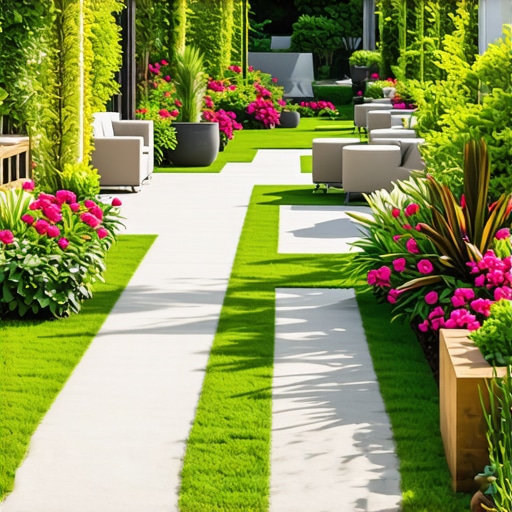
I remember the moment vividly—working on my garden, expecting it to look serene and inviting, only to find the weeds taking over and the old patio crumbling beneath my feet. It was then I realized I had been tackling landscaping without a real plan, just patching things here and there. That lightbulb moment made me wonder: are we all just improvising with our outdoor spaces, hoping for the best? The truth is, transforming a garden isn’t about random fixes. It’s about strategic, expert ideas that can elevate your entire outdoor environment in 2025.
Why Investing in Garden Design Matters Now More Than Ever
In recent years, outdoor spaces have become more than just scenery; they’re our personal retreats, entertainment zones, and even workspaces. As we spend more time at home, a thoughtfully designed garden can significantly boost our well-being and curb appeal. But here’s the catch: many gardens look good in pictures but fail to deliver in real life. Without expert guidance, it’s easy to make costly mistakes, like overplants or neglecting hardscaping that enhances usability.
According to a recent study, a well-designed garden can increase property value by up to 12% and improve mental health by reducing stress levels (source: *Journal of Environmental Psychology*). So, investing in strategic garden design isn’t just beautifying; it’s about creating a sanctuary that adds real value to your life and home.
If you’ve ever felt overwhelmed by endless gardening advice or worried about making costly design errors, you’re not alone. I’ve been there, too. Early on, I thought I could wing it, but my haphazard approach led to wasted money and frustration. That’s why I decided to dig deeper—literally—and learn from the best. Today, I want to share practical, expert ideas that will help you craft a stunning outdoor space in 2025, without the headaches.
Is Expert Garden Design Actually Worth the Hype?
I used to dismiss professional advice as unnecessary, preferring to DIY everything. My biggest mistake? Underestimating how much a well-planned design can simplify maintenance and increase enjoyment. With proper hardscaping and thoughtful landscaping, I realized my garden could become a year-round haven rather than a source of stress.
For anyone still skeptical, I get it. It’s tempting to think you can DIY your way to a beautiful garden. But partnering with experts, or even just adopting their principles, makes a huge difference. If you’re ready to skip the trial-and-error phase, check out some inspiring ideas over at garden design inspiration for 2025. It’s packed with insights that can help you avoid common pitfalls and create a space worth showing off.
As we gear up for the new year, understanding why professional concepts matter is essential. Stay tuned, because in the next sections, we’ll explore actionable steps to turn your outdoor space into a stunning, functional masterpiece.
Lay a Solid Foundation with Strategic Planning
Just like building a house, your garden needs a solid plan to ensure all elements work harmoniously. Start by sketching a layout that incorporates your existing space, considering sunlight, wind direction, and soil type. Use a simple grid to map out where your major features—like trees, pathways, and seating areas—will go. I remember when I first drew my plan on a blank sheet; it looked messy at first, but it revealed space constraints and possibilities I hadn’t considered. This step prevents costly mistakes and sets the stage for a cohesive design.
Prioritize Hardscaping for Durability and Style
Hardscaping involves integrating non-living elements like patios, walkways, retaining walls, and fire pits. Think of it as giving your garden structure and personality. To make these features stand out, choose modern materials like textured concrete, natural stone, or sleek metal accents. For example, I installed a cobblestone pathway that now serves as the central artery of my garden—it’s durable and visually appealing. For ideas tailored to 2025, visit effective hardscaping strategies.
Match Your Hardscape with Your Landscape Style
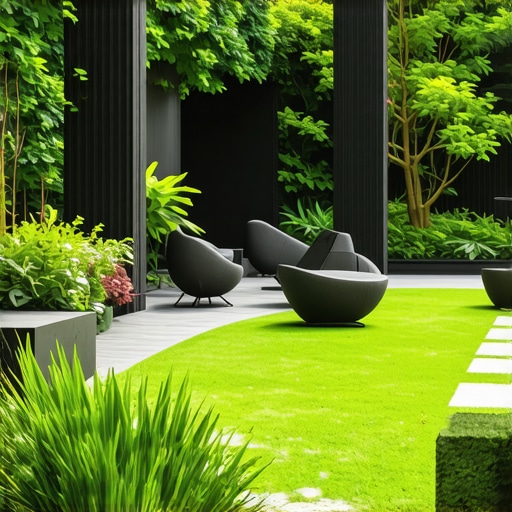
Ensure that your hardscape complements the overall aesthetic—be it minimalist, tropical, or modern. Combining rustic stones with sleek furniture creates an eye-catching contrast that feels intentional, not random. When I added a polished concrete patio next to a wildflower garden, the harmony of textures reinforced my design’s modern vibe.
Select Plants with Purpose and Vision
Choosing plants isn’t just about filling space; it’s about creating layers, textures, and seasonal interest. Start with native plants—they’re resilient and require less maintenance. Incorporate evergreen shrubs for year-round structure, complemented by flowering perennials for seasonal pops of color. I made a mistake early on planting too many aggressive species—they outcompeted my other plants and required constant pruning. To avoid this, research plants’ growth habits and water needs. Check out top gardening design trends for guidance.
Layer for Depth and Privacy
Strategically place taller plants or trees at the back of beds, creating layers that add depth. Use hedges or bamboo for natural screens, providing privacy and a sense of enclosure. For instance, I planted a row of compact arborvitae along my property line—this not only enhanced privacy but also added lush greenery at eye level, making the space feel more intimate.
Implement Efficient Irrigation Systems
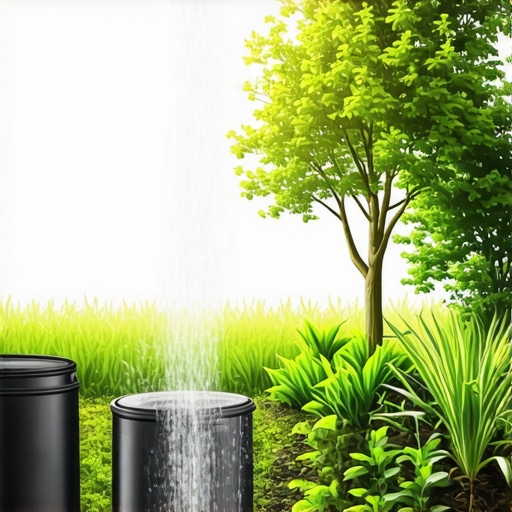
Modern irrigation is about smart watering. Drip systems paired with soil moisture sensors ensure your plants receive water precisely when needed, conserving resources and promoting healthy growth. I installed a drip system with a timer, which kept my garden thriving during dry spells—saving me hours of manual watering. These systems are not just functional; they’re a key part of sustainable gardening. Learn more about modern garden landscape tips.
Finish with Personal Touches and Lighting
Finally, add elements that reflect your personality—art pieces, unique planters, or water features. Proper lighting extends the usefulness of your garden into the evening, highlighting features and creating ambiance. I installed solar pathway lights that cast a warm glow, turning my garden into a cozy retreat after sunset. Thoughtful lighting enhances safety and underscores your design choices. Consider modern hardscaping ideas to complement your lighting plan.Many homeowners approach garden design with a set of widely accepted beliefs, but in my experience, some of these can lead you astray if you’re seeking truly stunning and sustainable outdoor spaces. Let’s dig deeper into what most people get wrong and how to avoid these pitfalls. One prevalent myth is that more plants always mean a more vibrant garden. In reality, overplanting without considering mature sizes and growth habits can lead to cluttered, high-maintenance landscapes. Instead, focusing on the right placement and grouping of plants for seasonal interest and growth compatibility delivers better long-term results. For example, native plants are often praised for their resilience, but not all natives thrive in every microclimate. Proper site assessment and selecting species adapted to your soil, sunlight, and moisture conditions are crucial—they’re often overlooked by beginners who rely on popular lists. Don’t fall into the trap of thinking hardscaping is just about aesthetics; it’s about creating durable structure and flow in your garden. Skipping the planning stage or choosing materials without considering longevity and maintenance can lead to costly repairs and replacements. Check out hardscaping ideas for 2025 that emphasize both form and function. Now, here’s a question that many advanced gardeners ask: How can I incorporate sustainability without sacrificing design? An essential nuance is understanding water-wise practices and soil health—using drip irrigation systems coupled with mulching not only conserves resources but also promotes plant vitality. A study from the University of California emphasizes that integrated systems result in healthier landscapes with less environmental impact. Remember, mastering garden design involves integrating these complex layers rather than relying solely on superficial aesthetics. Be cautious of the common mistake of underestimating the importance of scale and proportion in hardscaping and plantings, which can disrupt visual harmony. Instead, aim for a cohesive balance that guides the eye naturally through your space. For more insights on achieving this, explore modern garden design tips for 2025. Have you ever fallen into this trap? Let me know in the comments.
Maintaining Your Garden with Precision and Confidence
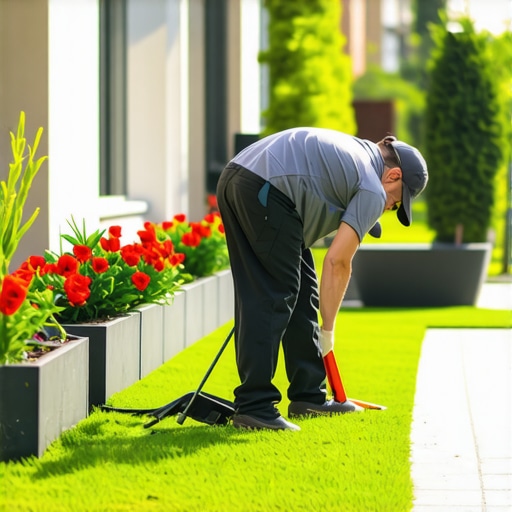
Achieving a stunning outdoor space isn’t just about initial design; consistent maintenance is what keeps it looking its best over time. To do this effectively, I rely on a curated set of tools and techniques that streamline my workflow and ensure lasting results.
First, investing in a high-quality cordless electric hedge trimmer like the Ryobi RY18HT31 has transformed my pruning routine. Its lightweight design and rechargeable battery allow me to trim hedges and shrubs with minimal fatigue, and without the hassle of cords or fumes. For lawn mowing, I prefer the Einhell GE-CM 18/33. Its adjustable cutting height and intuitive controls make it easy to maintain a lush, even lawn, especially during the growing season. I personally select tools based on their durability and ergonomic design, aiming for equipment that can handle regular use without breaking down.
In addition to physical tools, I integrate modern landscape software like Lawn Majesty’s landscape planning tools. These platforms allow me to map out seasonal planting schedules, plan irrigation setups, and visualize hardscaping modifications—saving time and preventing costly mistakes. The future of garden maintenance is headed toward increased automation and smart systems, such as soil moisture sensors and robotic mowers, which I predict will become standard in the next few years.
How do I keep my garden in top shape over the long haul?
Consistent monitoring and proactive upkeep are key. I schedule monthly inspections to identify pests early, prune overgrown plants, and replenish soil nutrients with targeted amendments. Using soil testing kits like the Rapitest Test Kit provides quick insights into pH and nutrient deficiencies, helping me tailor my fertilization routines effectively. Additionally, I employ a seasonal pruning strategy; for example, trimming perennials just as they emerge in spring prepares them for vigorous growth and flowering.
To maintain my watering system, I periodically check for leaks, replace worn parts, and ensure the timer functions correctly. Combining manual inspections with automated systems offers a comprehensive approach, minimizing surprises and optimizing plant health. As this trend moves forward, integrating IoT sensors with home automation platforms will allow gardeners to monitor and control irrigation remotely, making garden care even more efficient.
Finally, documenting your maintenance schedule and notes can help track what works best for your unique environment. Noticing patterns—like which plants need extra attention—enables targeted interventions and saves time in the long run.
Try incorporating a soil moisture sensor connected to your irrigation system, like the latest smart irrigation tech. This advanced tip ensures your garden receives optimal watering, reduces waste, and keeps plants healthier between manual check-ups.
The Hardest Lesson I Learned About garden design,lawn care,landscaping,hardscaping
My biggest mistake was rushing into projects without truly understanding my space’s unique personality. Only after several costly re-dos did I realize that patience and observation before planning are key to creating a harmonious outdoor retreat.
What Experts Won’t Tell You About garden design,lawn care,landscaping,hardscaping
Many professionals focus on aesthetics but overlook the importance of sustainable practices. Incorporating native plants and efficient irrigation not only saves money but also ensures your garden thrives year-round with less intervention.
The Secret to Long-Lasting Garden Success
Consistent, proactive maintenance overshadow fleeting trends. Regular soil testing, strategic pruning, and smart tech integrations, like soil moisture sensors, help cultivate a resilient and captivating landscape that ages gracefully.
My Tactical Arsenal for 2025 Garden Mastery
Tools like the modern hardscaping strategies have transformed my approach, blending durability with beauty. Pairing this with landscape planning software streamlines design and keeps my outdoor vision clear and achievable.
Harnessing Your Garden’s Emotional Power
Your outdoor space is more than visual appeal; it’s about creating a sanctuary for renewal and joy. Every time I light up my garden with subtle solar lighting, I feel connected to a peaceful oasis—proof that thoughtful design nurtures the soul.
Have you ever hesitated to try a new hardscaping technique? Share your experience below and let’s inspire each other to craft extraordinary gardens in 2025!
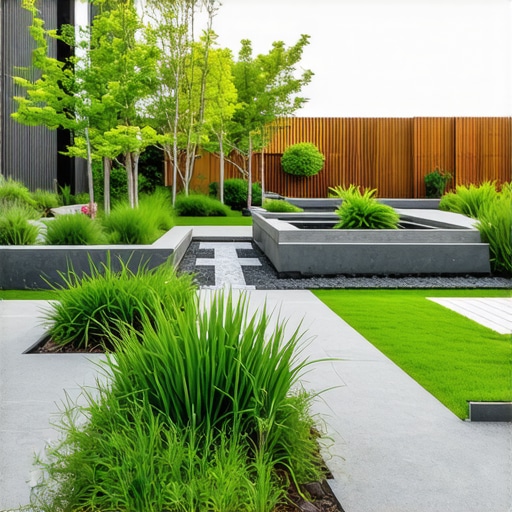
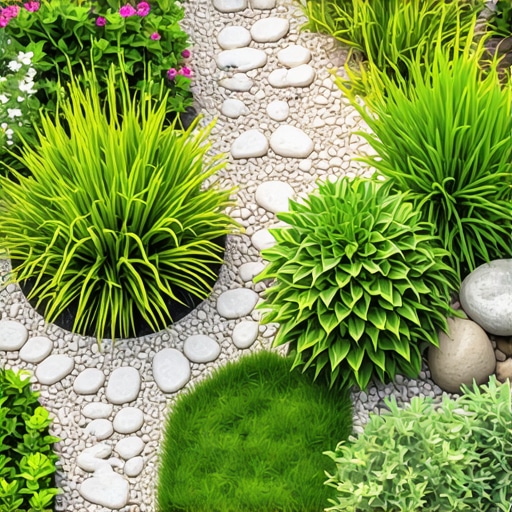
Reading this post really resonated with me, especially the part about how so many gardens look good in pictures but don’t deliver in real life. When I started my own garden, I realized how important it is to have a clear plan rather than just adding plants and features without thinking about the overall flow. I found that starting with a solid sketch helped me avoid costly mistakes and made the process more enjoyable. The tips on hardscaping and plant layering are especially useful alongside native plants—these really can make a big difference in reducing maintenance and boosting resilience.
One challenge I grapple with is balancing aesthetic appeal with sustainability, especially in a small urban space. Do you have suggestions for incorporating eco-friendly practices without cluttering the garden or sacrificing beauty? I’d love to hear how other gardeners are blending style and sustainability effectively.
This post resonates so much, especially the idea that a well-structured plan can save a lot of frustration and cost. I’ve made the mistake of rushing into planting without considering the mature size or compatibility of my plants, which led to overcrowding and regular pruning issues. Your mention of using native plants and layering for privacy really caught my attention because I’ve been exploring sustainable options that don’t require constant input. I’ve started incorporating drought-tolerant native species and using natural hedges, which not only look natural but also reduce water and maintenance needs.
One challenge I am curious about is balancing the need for privacy with maintaining an open and inviting garden. Have others found effective ways to create privacy without making the space feel enclosed or dark? I think a mix of layered plants and strategic lighting could be the key. Would love to hear more tips from the community on achieving this balance in small or medium-sized gardens.