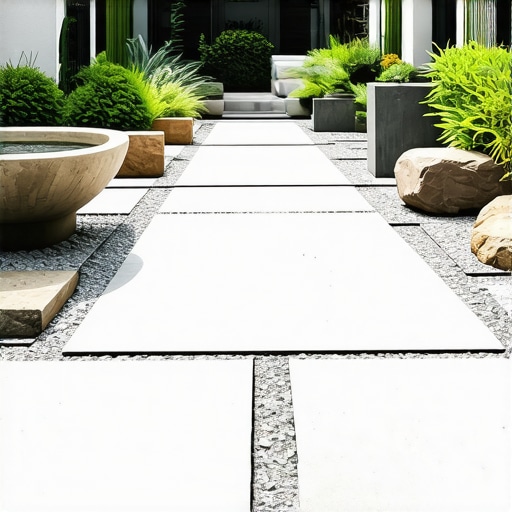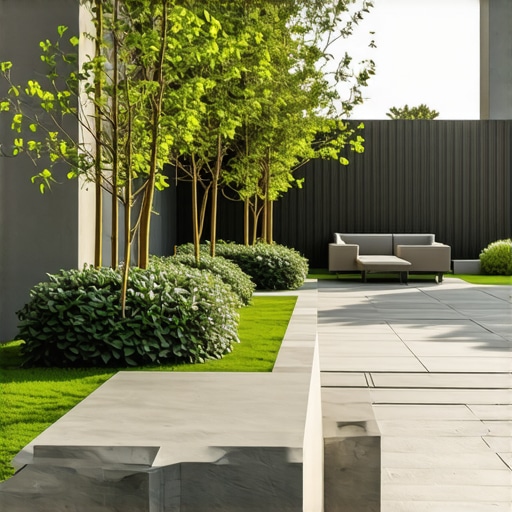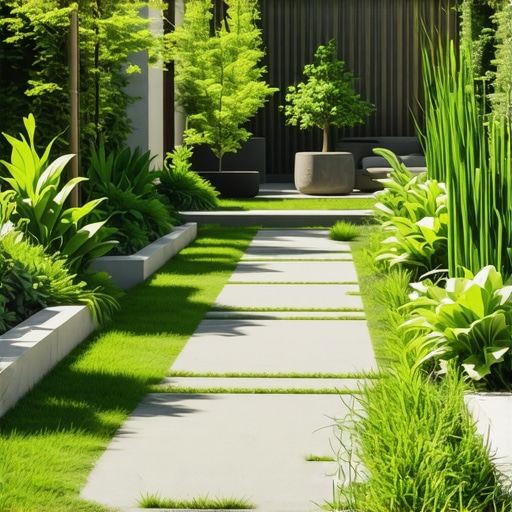
I remember the first time I tried to overhaul my garden, thinking I could wing it with a few trendy ideas I’d picked up here and there. The result? A muddled mess of mismatched elements, weeds taking over, and a real sense of regret. It was a wake-up call. I realized that without a solid plan rooted in the latest landscape design principles, even the most beautiful ideas can fall flat. That’s when I decided I needed to learn the secrets of modern landscaping, especially with 2025 just around the corner.
Why Staying Ahead in Garden Design Matters Now
In today’s world, gardens aren’t just about pretty plants anymore. They’re a reflection of your lifestyle, your values, and your desire for a space that’s both functional and stunning. With innovations in hardscaping and eco-friendly materials, the landscape design scene is evolving rapidly. If you want your garden to stand out and be truly a sanctuary, you need to keep up with the latest trends and techniques. And trust me, the benefits go beyond aesthetics—think increased property value, better outdoor usability, and a more sustainable environment.
But here’s the thing: with so many ideas floating around, it’s easy to get overwhelmed. I’ve made my fair share of mistakes early on—like overloading my space with too many features or neglecting the importance of proper drainage. I learned that understanding what works in 2025’s landscape design landscape is crucial to avoid costly errors and create a garden that truly lasts. According to recent studies, gardens that incorporate contemporary hardscaping and smart planting strategies see higher satisfaction and longevity.
Today, I’ll guide you through the most effective tips and tricks to craft a stunning, modern garden that’s both practical and beautiful. If you’ve ever felt stuck wondering where to start or how to make your outdoor space truly pop, you’re not alone. Let’s dive into what makes 2025’s landscape design so exciting—and how you can harness it for your own backyard.
What You Need to Know About Modern Landscape Design
Is All the Buzz About Hardscaping Actually Worth It?
When I first heard about hardscaping, I was skeptical. It sounded like just adding concrete or stone, which seemed a bit dull. But I quickly realized that smart hardscaping is what gives your garden structure, flow, and personality. It’s not about overdoing it but knowing where and how to incorporate durable, stylish elements that elevate your entire space. If you’re curious about how to do this right, check out top hardscaping strategies for 2025. I wish I had focused more on this early on—my mistake was neglecting the importance of balancing soft and hard features. Now, I know that well-planned hardscaping can make your garden more functional and visually appealing for years to come.
So, if you’re ready to stop wasting time on trial and error, I’ll share proven tips on how to integrate these elements seamlessly into your garden. Trust me, a little knowledge can go a long way in transforming your outdoor space into the oasis you’ve always wanted.
Lay a Solid Foundation with Proper Planning
Start by evaluating your outdoor space. Measure dimensions, note existing features, and identify problem areas like poor drainage or uneven terrain. Before making any changes, sketch a simple layout of where you want pathways, patios, and focal points. I once skipped this step and ended up with a patio that blocked my view of the garden, which I fixed later with a redesign. Use tools like online planning apps or graph paper to visualize the design. This planning phase ensures your hardscaping elements will fit harmoniously with softscape features and avoid costly mistakes.
Choose Durable Materials That Match Your Style
Pick Hardscape Elements Wisely
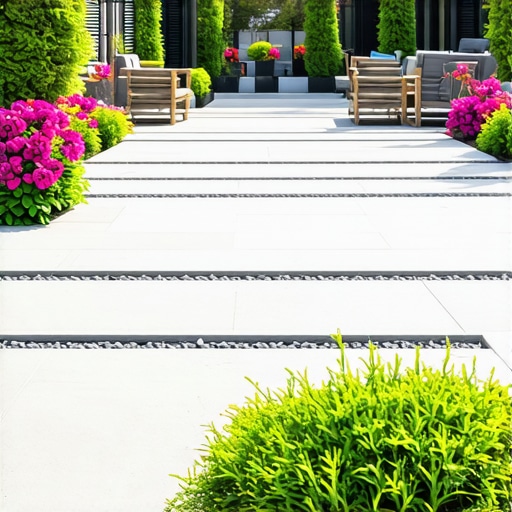
Opt for materials that blend durability with aesthetic appeal. Concrete pavers, natural stone, and porcelain tiles are popular choices for 2025. Consider the climate; for example, if you experience freeze-thaw cycles, select materials that resist cracking. During my project, I experimented with different stones—granite, sandstone, and limestone—and found that granite provided the best longevity, though it was pricier. Check out top hardscaping strategies for 2025 for more ideas. Remember, your hardscape should complement your overall design and be easy to maintain.
Design Pathways and Patios for Flow and Function
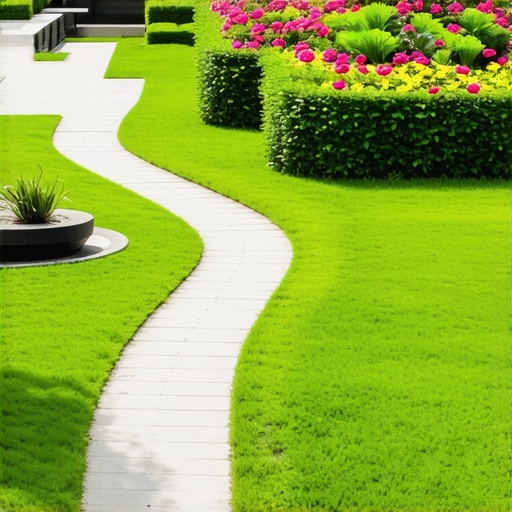
Create paths that guide visitors naturally through your garden. Use curved lines to soften the look or straight lines for a modern feel. For instance, I laid out a winding stone pathway that meandered through my flower beds, which made the space inviting. Ensure pathways are wide enough—at least 3 feet—to comfortably walk or move furniture. For patios, choose a shape that fits your outdoor lifestyle. I opted for a rectangular patio for dining, which maximized space and functionality. Incorporate features like step stones or embedded lighting to enhance safety and ambiance. For inspiration, see hardscaping ideas for a modern outdoor makeover.
Integrate Elevated Elements for Visual Interest
Adding retaining walls, raised beds, or planters can create levels that add depth to your garden. I built a low retaining wall to separate my lawn from a new patio area, which also served as seating. Use materials that match your hardscape, like stacked stone or concrete blocks. Elevated beds not only look stylish but also improve plant health by providing better drainage. When designing these features, consider accessibility and maintenance. This layered approach makes your garden feel more dynamic and professional.
Incorporate Lighting and Soft Elements
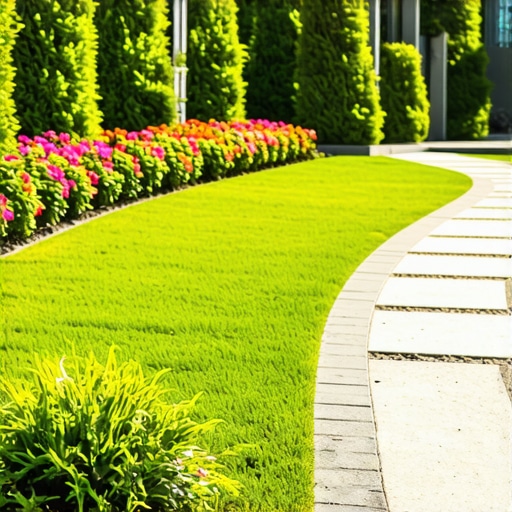
Lighting transforms your hardscaping at night. Use solar-powered path lights, spotlights on focal points, or string lights over sitting areas. I installed low-voltage LED lights along my pathways, which highlighted the textures of the stones and made evening gatherings cozy. Balance hardscaping with soft elements like plants and water features. Planting shrubbery near hardscape edges softens the transition and adds color. Check out landscaping design tips for modern garden makeovers for ideas on combining these layers seamlessly.
Let’s dig deeper into the nuances that often trip up even experienced gardeners and landscapers. One widespread misconception is that hardscaping is a straightforward process of laying down stones or concrete. In reality, many people underestimate the importance of detailed planning and choosing the right materials that match their climate and design goals. For instance, selecting the wrong type of stone can lead to cracking or uneven surfaces, especially in regions with freeze-thaw cycles. To avoid this costly mistake, consider consulting expert guides like top hardscaping strategies for 2025 and prioritize durability alongside aesthetics.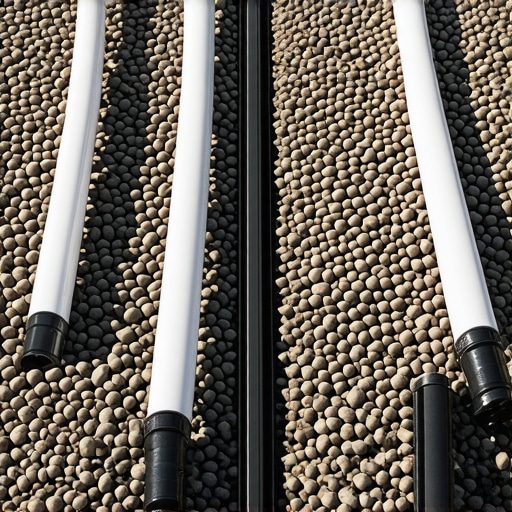
Another common trap is neglecting the integration of softscape elements with hardscaping. Many assume that hard features alone can transform a garden, but without lush plants, water features, and proper lighting, the space remains static. For example, incorporating layered planting near pathways not only softens the hard edges but also enhances visual interest and biodiversity. Advanced designers often use elevated beds and strategic lighting to create dynamic layers that change with time and seasons. This layered approach is detailed in landscaping design tips for modern garden makeovers.
Have you ever fallen into this trap? Let me know in the comments.
What are the hidden pitfalls of ignoring drainage in garden design?
Many overlook proper drainage until it causes problems like water pooling or erosion, which can ruin years of hard work. Proper grading and the use of permeable materials are essential, especially in flat or clay-rich terrains. An advanced mistake is installing hardscape elements without accounting for runoff paths, which can lead to flooding or damage. According to studies by landscape experts, neglecting drainage can significantly compromise the longevity of your garden features. For deeper insights, explore modern landscaping tips for 2025 and ensure your design includes a comprehensive drainage plan.
Remember, the devil is in the details—don’t let overlooked drainage ruin your outdoor oasis. Keep these advanced nuances in mind, and your garden will thrive for years to come.
Keeping your garden in top shape requires more than just planting and watering. It’s about investing in the right tools and adopting effective maintenance routines that ensure long-term success. Over the years, I’ve tested numerous equipment and methods, and I can confidently say that having a few high-quality, purpose-driven tools makes all the difference. As landscape design trends evolve in 2025, so do the tools that help you maintain your outdoor oasis efficiently.
Why Invest in the Right Garden Equipment
For me, a durable, versatile pruning shear is essential. I personally prefer the Felco F-2, known for its precision and longevity. It makes shaping shrubs and trimming flowers effortless, saving time and reducing fatigue. Also, a cordless electric tiller like the Earthquake 33880 is invaluable for preparing flower beds or aerating the soil. Its lightweight design and adjustable depth make it suitable for various garden sizes and soil types, especially in the ever-changing landscape trends of 2025.
Beyond tools, software plays a pivotal role in long-term garden management. I recommend landscape planning apps like iScape or SketchUp. They enable you to visualize seasonal changes, plan hardscape updates, and coordinate plant placements. These digital tools are increasingly sophisticated and integral to modern landscaping, helping you stay ahead of trends and avoid costly mistakes.
How do I maintain my garden tools over time?
Proper maintenance extends the lifespan of your equipment and ensures optimal performance. Regular cleaning after each use prevents rust and buildup—especially for soil, sap, or plant debris. Sharpen blades at least twice a year, or more often if you’re heavy on pruning. I use a whetstone for my shears, which keeps cuts clean and prevents plant stress. Lubricating moving parts with silicone spray minimizes wear and tear, maintaining smooth operation. For power tools, always check the cords or batteries, and store them in climate-controlled spaces to prevent damage.
In addition to physical tools, staying updated with the latest maintenance techniques can help you adapt to future trends. For instance, incorporating smart irrigation systems like Rachio or Rain Bird can optimize water use and reduce waste, aligning with the eco-conscious focus of 2025 landscape design. These systems can be monitored remotely, giving you control and peace of mind whether you’re at home or away.
Looking ahead, I predict that automation and smart technology will become even more integrated into garden maintenance routines. Drones and robotic lawnmowers are already gaining popularity, and I expect their capabilities to expand significantly in the next few years. Embracing these innovations now can save you time and effort while maintaining a pristine landscape.
So, I encourage you to try upgrading your pruning tools or integrating a smart irrigation system this season. Not only will it make your maintenance easier, but it will also contribute to healthier, more sustainable gardens in 2025 and beyond.
What I Wish I Knew Before I Started Hardscaping
- My biggest mistake was rushing into installing hardscape features without proper planning. Taking time to evaluate my space and selecting the right materials early on saved me from costly fixes later.
- I underestimated how much softscape and lighting could elevate my hardscaping. Combining lush plants and layered lighting created a more inviting, dynamic outdoor space—something I wish I had prioritized from the start.
- Ignoring drainage was a disaster I avoid now. Proper grading and permeable materials are essential, especially with the innovative solutions available in 2025. Learning this lesson early transformed my approach.
- Experimenting with different textures and heights made my garden more engaging. Elevating beds and layered features provided depth I hadn’t considered initially, making my garden look professionally designed.
- Staying updated with trends and tools like landscape apps helped me visualize and refine my design before breaking ground. Embracing technology is key to modern garden success.
Tools and Resources That Changed My Game
- Top hardscaping strategies for 2025—This guide helped me choose durable, stylish materials matching my climate, avoiding cracking and uneven surfaces.
- Landscaping design tips for modern outdoor garden makeovers—A fantastic resource for blending hardscape and softscape elements seamlessly for a cohesive look.
- Effective hardscaping strategies to elevate your outdoor space in 2025—This resource inspired me to incorporate elevated features and layered lighting for visual interest.
- Expert landscaping tips for stunning garden design in 2025—My go-to for understanding how to balance aesthetics and functionality in my garden.
Your Next Step in Garden Mastery
Remember, transforming your garden with modern hardscaping isn’t just about aesthetics—it’s about creating a space that lasts, functions well, and grows with you. With the right knowledge and tools, you can turn any outdoor area into your personal sanctuary. So, why wait? Dive into these strategies and start building your dream garden today!
What’s the biggest hardscaping challenge you’ve faced? Share your story below—I’d love to hear how you’re making your outdoor space truly special.