Fix 2026 Lawn Grubs with This One Milky Spore Hack
The Forensic Autopsy: Why Your Lawn is Peeling Up Like a Cheap Rug
To fix 2026 lawn grubs using the Milky Spore hack, you must apply the Paenibacillus popilliae bacterium via core aeration holes during the peak feeding window of late August. This targeted biological control establishes a self-perpetuating colony that infects larvae, effectively suppressing the Japanese beetle population for up to 20 years without chemical residue.
I’ve spent two decades staring at dead turf, and nothing makes my blood boil more than seeing a homeowner panic. Last year, I got a call from a guy in the suburbs who had literally torched five thousand square feet of prime Kentucky Bluegrass. He’d spotted a few brown patches, assumed it was a nutrient deficiency, and dumped a triple dose of high-nitrogen 32-0-0 fertilizer on it in ninety-degree heat. He didn’t have a nutrient problem; he had a massive infestation of Popillia japonica larvae—Japanese beetle grubs. The salt index of the fertilizer sucked the remaining moisture out of the grass blades, while the grubs continued to chew through the root system six inches below the surface. By the time I arrived, you could grab a handful of turf and lift it up like a piece of wall-to-wall carpeting. The roots were gone. Non-existent. It was a chemical nightmare that could have been avoided with twenty dollars worth of biological knowledge.
The Biological Mechanics of the Grub Hack
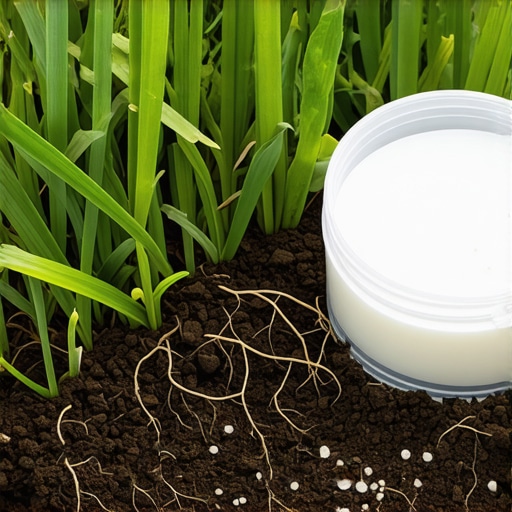
Grubs aren’t just an eyesore; they are a subterranean engine of destruction. In the mid-Atlantic and Northeast, these larvae spend their lifecycle gorging on the fibrous roots of your turf grass. Most contractors will tell you to spray a neonicotinoid like Imidacloprid and call it a day. That’s lazy. It’s also temporary. To truly fix the 2026 cycle, we utilize Milky Spore. This isn’t a poison; it’s a bacterium. When a grub ingests the spores while feeding, the bacteria multiply inside its gut, eventually turning the grub’s internal fluids a milky white—hence the name. The grub dies, liquefies, and releases billions of new spores into the surrounding soil. It’s a biological chain reaction.
“Milky disease is most effective when the grub population is high, as the bacteria require a host to multiply and spread through the soil profile effectively.” – Penn State College of Agricultural Sciences
The Core Aeration Hack: Accelerating the Infection
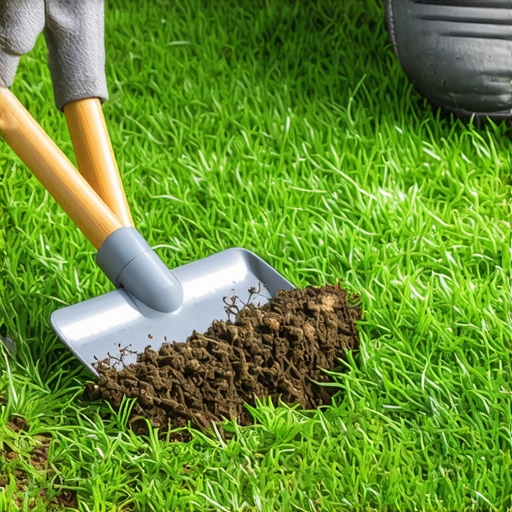
The biggest complaint I hear is that Milky Spore takes years to work. That’s because people just sprinkle it on top of the thatch. Here is the professional hack: Apply Milky Spore immediately following a deep core aeration. By pulling 3-inch plugs of soil out of the earth, you create direct conduits to the root zone. Instead of the spores sitting on the surface, vulnerable to UV degradation and being trapped in the thatch layer, they fall directly into the “feeding room” of the larvae. We call this ‘Spore Loading.’ You aren’t waiting for the rain to slowly wash the bacteria down; you are injecting the pathogen directly into the grub’s environment. Don’t skip this step. If the spores stay on top of the grass, they are useless.
| Treatment Method | Active Agent | Duration of Efficacy | Environmental Impact |
|---|---|---|---|
| Chemical (Dylox) | Trichlorfon | 48 Hours | High (Kills pollinators) |
| Preventative (Merit) | Imidacloprid | 3-4 Months | Moderate (Systemic) |
| Milky Spore Hack | P. popilliae | 15-20 Years | Zero (Host Specific) |
How much modified gravel do I need for a patio base?
While we are discussing the soil, remember that grubs often thrive in the moisture-rich soil adjacent to hardscape projects. If you are prepping for a patio, you need a minimum of 4 to 6 inches of 21A modified gravel, compacted in 2-inch lifts. Proper compaction reaches approximately 95% Proctor density, which prevents the settling that creates the ‘puddling’ grubs love. Use a plate compactor until the machine literally bounces off the surface. If the soil underneath is saturated or infested, the hydrostatic pressure and organic decay will shift your pavers within two seasons.
The Step-by-Step Remediation Checklist
- The Tug Test: Identify infested areas by pulling on the grass; if it lifts easily, grubs are present.
- Threshold Check: Count the grubs per square foot. More than 10 means you must treat immediately.
- Core Aeration: Use a mechanical aerator to pull at least 20-40 plugs per square foot.
- Grid Application: Apply Milky Spore powder in a 4×4 foot grid pattern. Do not use a broadcast spreader for the powder form; it’s too light.
- Hydration: Lightly water the area for 15 minutes to settle the spores into the holes.
How long does milky spore take to work?
Milky Spore begins infecting larvae within 21 days of ingestion, but the full ‘colony’ effect takes one to two seasons to reach peak suppression. By applying it now for the 2026 season, you are allowing the bacteria to survive the winter and be ready for the spring thaw when the grubs move back up the soil profile to feed. It’s a long game. Real pros don’t look at the lawn as a weekly chore; we look at it as a multi-year biological engineering project. Stop using the quick-fix poisons that kill your earthworms and beneficial nematodes. They are the frontline soldiers in your soil pH war.
“A retaining wall doesn’t fail because of the stone; it fails because of the water trapped behind it, just as a lawn fails not from the blade, but from the soil health beneath it.” – Hardscape Engineering Axiom
The Moisture Variable
You cannot establish a Milky Spore colony in bone-dry soil. The bacteria need moisture to stay viable and to move through the soil matrix. However, don’t over-water. Turf grass needs exactly one inch of water per week—no more, no less. This forces the roots to chase the water deeper into the ground, making the plant more resilient and placing the roots in the zone where the Milky Spore is most concentrated. Shallow watering creates weak grass and a playground for beetles. Keep your mower blades sharp and set high. Three and a half inches is the sweet spot. Tall grass shades the soil, lowering the temperature and making it less attractive for adult beetles to drop their eggs. It’s simple physics. It works.