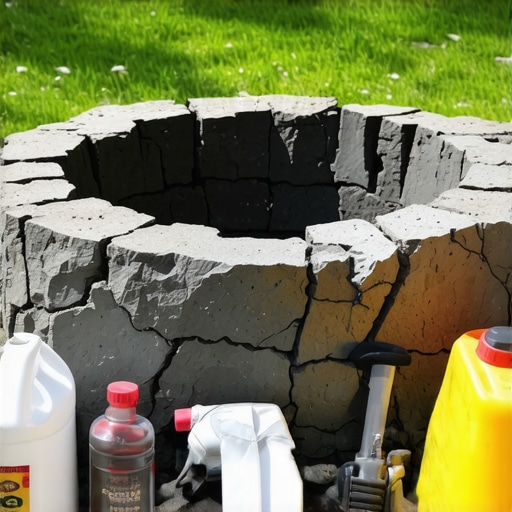
![Fixing 2026 Clogged French Drains [No Digging]](https://lawnmajesty.com/wp-content/uploads/2026/07/Fixing-2026-Clogged-French-Drains-No-Digging.jpeg)
Fixing 2026 Clogged French Drains [No Digging]
You wake up after a standard two-inch rainfall and find your backyard has transformed into a literal marsh. The water isn’t moving. Your French drain, the expensive subterranean insurance policy you paid thousands for, is dead in the water. Most contractors will tell you to get the backhoe and start digging. They are wrong. In 2026, we have the forensic tools to clear a 4-inch corrugated or PVC line without destroying your $15,000 turf or your paver patio. Understanding why a drain fails is the first step toward a no-dig solution that actually holds up over time.
Why French Drains Fail (The Hydrostatic Reality)
French drain failure occurs when hydrostatic pressure forces silt, clay fines, and root systems through the aggregate layer and into the pipe perforations, effectively sealing the system from the inside out. This blockage prevents the lateral movement of groundwater, causing the water table to rise and saturate the surface soil levels.
I recently got called out to tear up a $30,000 patio that was sinking because the previous contractor thought they could skip the geotextile fabric. They dumped 57 stone directly onto raw Georgia clay. Within two years, that clay had migrated into every void in the gravel, turning a drainage bed into a solid block of subterranean concrete. The pavers were literally floating on a soup of mud every time it rained. This is what we call ‘fines migration,’ and it is the silent killer of hardscaping. If you don’t understand the micron size of your local soil particles, you aren’t a landscaper; you’re just a guy with a shovel.
“Proper drainage is the management of hydrostatic pressure, not just the movement of surface water.” – ICPI Tech Spec 15
Diagnosing a Clogged Drain without Excavation
Diagnosing a clogged French drain involves using high-definition borescope cameras to locate the specific point of sediment accumulation or root intrusion within the pipe. By identifying whether the blockage is a localized ‘plug’ or a systemic ‘silt-out,’ you can select the precise hydro-mechanical method needed for clearance.
Before you rent a machine, you need to know what you are fighting. Is it a collapsed pipe? A mass of silver maple roots? Or is it just ten years of lawn mower clippings and silt? We use a 100-foot waterproof inspection camera. If I see a pipe that has ‘bellied’—meaning it has dipped and is holding water—no amount of cleaning will fix it. That is a grading failure. But if the pipe is structurally sound and just filled with muck, we can move to the remediation phase. Do not skip the camera work. You wouldn’t let a doctor operate without an X-ray; don’t let a landscaper guess what is under your grass.
How do I know if my French drain is actually clogged?
Check your exit point or ‘daylight’ area during a rainstorm. If the surface of the yard is squishy but the pipe outlet is dry, you have a blockage. Use a simple plumbing snake. If you hit something hard within the first 20 feet, you likely have a silt trap that has reached maximum capacity.
| Method | Effectiveness | Risk Level | Typical Cost (DIY vs Pro) |
|---|---|---|---|
| Hydro-Jetting | 95% | Low | $400 – $800 |
| Chemical Enzymatic Flush | 30% | Zero | $50 – $150 |
| Mechanical Snaking | 60% | Moderate | $100 – $300 |
| Air-Bust Compressed Pulse | 85% | High | $500 – $1,200 |
The No-Dig Remediation Toolkit: Hydro-Jetting and Bio-Solvents
No-dig French drain repair primarily utilizes industrial hydro-jetting, which delivers high-pressure water streams (up to 4,000 PSI) through specialized nozzles to emulsify clogs and scour the inner pipe walls. This process restores the hydraulic conductivity of the system without disturbing the established turf or hardscape structures above.
Hydro-jetting is the gold standard. We use a ‘wararth’ nozzle that has rear-facing jets. These jets provide the thrust to pull the hose deep into the pipe while simultaneously scouring the walls. For 2026, we are also seeing the rise of bio-enzymatic cleaners. These are not the caustic acids of the past. These are specific microbes designed to eat the ‘biofilm’ and fine root hairs that act as a net for silt. You pour it in, let it sit for 48 hours, and then flush the system. It works. It won’t save a crushed pipe, but it will breathe life back into a sluggish one.
“A retaining wall doesn’t fail because of the stone; it fails because of the water trapped behind it.” – Hardscape Engineering Axiom
Can I use a pressure washer to clear a French drain?
Yes, but you need a specific jetter kit. A standard spray wand will not reach far enough. You need a 50-foot flexible hose with a laser-drilled nozzle that creates a venturi effect. Ensure your pressure washer is rated for at least 2.5 GPM (gallons per minute) to ensure the debris is actually flushed out rather than just moved around.
Preventive Maintenance: Keeping the Pipe Clear
Once the line is clear, you must address the source. Most clogs come from the ‘cleanouts’ or the catch basins. If you don’t have a debris basket, every leaf that falls on your patio ends up in the French drain. I drill this into my crew: maintenance is cheaper than remediation. We install silt socks on every new pipe, but for existing systems, you need to be vigilant about your discharge point. If the outlet is buried in mulch, the water can’t escape, the flow velocity drops to zero, and the sediment settles. Keep it clear.
- Inspect catch basins every fall and spring.
- Flush the system with a garden hose for 15 minutes annually.
- Keep tree species with aggressive water-seeking roots (like Willows) at least 20 feet from the drain line.
- Ensure the discharge grate is free of grass clippings and debris.
- Monitor the ‘squish factor’ of the turf after every heavy downpour.
Stop listening to the big-box store guys who say a French drain is a ‘set it and forget it’ system. It is a piece of civil engineering. It requires an eye for detail and a respect for the laws of physics. If you treat your drainage system like a gutter for your yard, it will treat you to a dry basement. Ignore it, and you will be writing a check for a full excavation sooner than you think. Ground-water management is a game of inches and PSI. Play it right.

![Build a $50 2026 Rain Barrel System [Save Water]](https://lawnmajesty.com/wp-content/uploads/2026/07/Build-a-50-2026-Rain-Barrel-System-Save-Water.jpeg)