
Fixing 2026 Muddy Garden Paths with Wood Chips
Fixing 2026 Muddy Garden Paths with Wood Chips
I always drill into my new crew members: if you dont fix the soil grading first, every plant you put in the ground is just expensive compost. I remember an apprentice back in 2018 who thought he could solve a drainage issue by just dumping three inches of cedar mulch over a low spot. Two weeks of spring rain later, and that mulch was a floating, anaerobic soup that smelled like a swamp. He learned the hard way that you cannot fight gravity with aesthetics. You have to understand the engineering of the ground before you worry about the look of the top layer.
The Physics of Path Failure and Mud Formation
To fix a muddy garden path, you must address soil compaction and pore space within the subgrade layer. Mud occurs when surface tension and hydrostatic pressure overwhelm the soil’s ability to infiltrate water, leading to a breakdown of soil aggregates. By introducing wood chips, you create a permeable buffer that prevents the displacement of silt and clay particles under foot traffic.
“Surface drainage must be directed away from high-traffic footpaths to prevent subgrade saturation and the subsequent loss of shear strength in the soil.” – Civil Engineering Site Prep Manual
The 2026 season has brought erratic weather patterns, making traditional lawn care difficult. When you walk on wet soil, you are essentially performing a miniature Proctor test, compacting the earth and squeezing out the oxygen. This leads to a total collapse of the soil structure. Wood chips are not just a cover; they are a biological and mechanical intervention. They distribute the load of your weight across a larger surface area, much like a snowshoe, while the high carbon content fosters a fungal-dominant environment that eventually builds better soil structure. We are looking at the C:N ratio (Carbon-to-Nitrogen) here. High-quality arborist chips have a ratio of about 200:1, which means they take a long time to break down, providing a stable walking surface for years rather than months.
Selecting the Right Material: Arborist Chips vs. Bagged Mulch
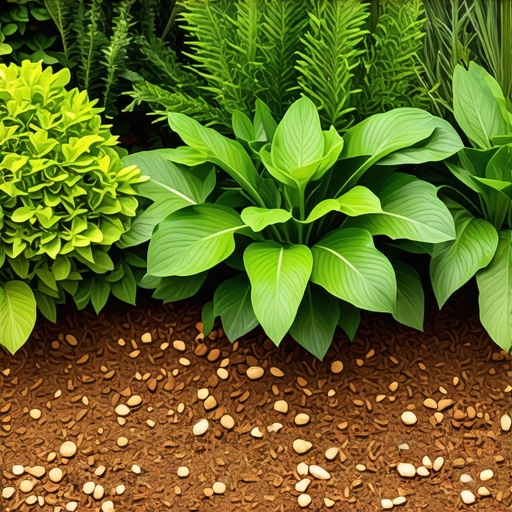
Choosing the correct organic material for your 2026 garden path requires understanding the difference between shredded hardwood, dyed chips, and arborist wood chips. Professional landscaping standards dictate that arborist chips are superior because they contain a mix of bark, sapwood, and leaves, which promotes a healthy mycelial mat. This mat acts as a natural geotextile, knitting the path together.
| Material Type | Longevity (Years) | Drainage Rating | Best Use Case |
|---|---|---|---|
| Arborist Chips | 3-5 | Excellent | Main garden arteries |
| Dyed Bagged Mulch | 1 | Poor | Decorative beds only |
| Cedar Planks/Chips | 2-4 | Good | High moisture areas |
| Pine Straw | 0.5 | Fair | Sloped areas |
IMAGE_PLACEHOLDER
Don’t buy that dyed trash from the big-box stores. It is often made from recycled pallets and construction debris that can leach heavy metals into your garden design. Plus, the uniform size of the chips means they don’t lock together. You want the irregular shapes of chipped tree limbs. These irregular edges interlock, creating a stable matrix that won’t wash away in a heavy downpour. If you are dealing with heavy red clay, you need this irregular structure to allow water to move laterally into your lawn care areas rather than pooling in the center of the path.
How deep should wood chips be for a path?
For a standard garden path, you need at least four to six inches of wood chips to provide adequate compaction resistance and weed suppression. Anything less than four inches will quickly mix with the underlying mud, creating a messy slurry that loses its structural integrity within a single season.
The Forensic Remediation Process: A Step-by-Step Guide
To remediate a failed path, you must follow a strict hardscaping protocol that begins with excavation and grading. You cannot simply layer new material over a compaction zone; you must remove the saturated organic matter and re-establish a 2% cross-slope to ensure positive drainage. Don’t skip the utility marks; call 811 before you put a spade in the ground.
- Step 1: Excavation: Dig out the path to a depth of 6 inches. Remove all grass and existing mud.
- Step 2: Grading: Use a rake to create a slight crown in the center or a 2% slope toward a lower drainage area.
- Step 3: Geotextile Layer: Lay down a non-woven geotextile fabric. This is the most critical step. It prevents the wood chips from sinking into the soil while still allowing water to pass through.
- Step 4: Edge Retention: Install a heavy-duty bender board or pressure-treated 2x4s to keep the chips contained.
- Step 5: Filling: Dump your arborist chips in 2-inch lifts, tamping down each layer as you go.
“Wood chips used as mulch provide a carbon source that encourages fungal growth, which is essential for stabilizing soil aggregates and improving long-term porosity.” – University of Vermont Extension
Will wood chips attract termites to my garden?
While wood chips are a carbon source, they do not typically attract termites to a garden path if kept three feet away from your home’s foundation. Termites prefer large, solid pieces of wood rather than the highly aerated and rapidly decomposing environment of a disturbed wood chip path.
Micro-Climate Logic and Year-One Expectations
In regions with high freeze-thaw cycles, your wood chip path will shift. This is normal. The heaving of the soil beneath the geotextile fabric is mitigated by the flexibility of the organic layer. During the first year, you will notice a “settling in” period where the path might feel spongy. This is the Basidiomycota fungi beginning to colonize the wood. Do not fight this. This fungal network is the glue that will eventually make your path feel as solid as a boardwalk. If you live in a drought-prone area, these chips will act as a thermal blanket, keeping the soil cool and reducing the evaporative loss of moisture from your surrounding garden design. It is a win-win for the plants and your feet. Just remember to top it off with an inch of fresh chips every spring to replace what has decomposed into the soil. Maintenance isn’t a chore; it is the price of a functional landscape.
![Fix 2026 Yard Puddles with a $150 Dry Well [DIY]](https://lawnmajesty.com/wp-content/uploads/2026/06/Fix-2026-Yard-Puddles-with-a-150-Dry-Well-DIY.jpeg)