![Fixing 2026 Yellow Lawn Patches [Pet Waste Fix]](https://lawnmajesty.com/wp-content/uploads/2026/07/Fixing-2026-Yellow-Lawn-Patches-Pet-Waste-Fix.jpeg)
Fixing 2026 Yellow Lawn Patches [Pet Waste Fix]
The Visual Autopsy of a Dying Lawn
Yellow lawn patches caused by pet waste are essentially concentrated nitrogen burns that dehydrate the grass blades and skyrocket soil salinity levels, leading to localized plant death. Identifying the difference between fungal pathogens and ammonia-induced desiccation is the first step toward a permanent 2026 lawn recovery strategy. Stop guessing and start measuring.
I recently got called out to a property where a homeowner had completely torched their front lawn by applying what they thought was a ‘neutralizer’ found on some TikTok DIY video. They had spread five pounds of gypsum and baking soda over a few yellow spots, not realizing they were compounding the salt toxicity of the soil. By the time I arrived, the pH was so out of whack it looked like a salt flat. I had to tell them the truth: their soil wasn’t just ‘stressed,’ it was chemically dead. We had to excavate six inches of soil and replace the entire sub-base. It was a $4,000 mistake that could have been fixed with a garden hose and a little bit of biology. This is the reality of ‘mow-and-blow’ hacks versus actual soil science. If you treat your yard like a garbage can, it’s going to look like one. There are no shortcuts in soil chemistry.
“Urine is high in nitrogen and salts. When a dog urinates on the lawn, it is similar to applying a concentrated liquid fertilizer, which causes the grass to dehydrate and die.” – Texas A&M AgriLife Extension
How do I stop dog pee from killing my grass?
The most effective way to stop dog urine burn is immediate dilution through irrigation, which lowers the nitrogen concentration before it reaches the root zone. Consistent soil leaching practices and the use of salt-tolerant turfgrass species can also significantly mitigate the visual impact of pet waste on your landscaping. Water is the only true solvent here.
The Chemical Reality of Nitrogen Burn
Your dog’s urine is basically a liquid version of 46-0-0 urea fertilizer. In small doses, nitrogen is the fuel for green growth, but your dog is delivering it at a rate that would make an industrial farmer flinch. When that liquid hits the turf, it creates an osmotic imbalance. The salt concentration outside the grass roots becomes higher than the concentration inside the roots. This forces the water out of the plant. We call it ‘physiological drought.’ The grass dies of thirst while sitting in a puddle of liquid. It’s a brutal way for a plant to go.
| Remedy Method | Effectiveness | Cost Factor | Soil Impact |
|---|---|---|---|
| Immediate Dilution | 90% | Low | Neutral |
| Gypsum Application | 30% | Medium | Reduces Sodium |
| Reseeding/Sodding | 100% | High | Resets Biology |
| Soil Excavation | 100% | Very High | Permanent Fix |
Furthermore, the 2026 weather patterns are showing increased heat spikes. In a 95-degree heatwave, your grass is already struggling to transpire. Add a shot of high-ammonia urine to that, and the grass is toasted in under four hours. You don’t have days to fix this. You have minutes. If you aren’t out there with a hose within ten minutes of the ‘deposit,’ you’ve already lost the battle for that specific patch of dirt.
The Forensic Diagnosis: Urine vs. Fungus
Before you start dumping chemicals, you need to know what you’re looking at. A pet waste patch usually has a very specific signature: a dead, straw-colored center surrounded by a ring of dark, fast-growing green grass. That green ring is where the nitrogen was diluted enough to actually act as a fertilizer. If you don’t see that green ‘halo,’ you might be dealing with Rhizoctonia solani (Brown Patch fungus). Don’t treat a chemical burn with a fungicide. It won’t work. It’s a waste of money.
Will baking soda fix yellow lawn patches?
No, baking soda will not fix yellow lawn patches and will likely worsen the problem by increasing the soil salinity and pH levels further. To remediate a nitrogen burn, you must focus on flushing the soil with water rather than adding more salts or alkaline substances to an already stressed ecosystem. Avoid the DIY myths.
The Step-by-Step Remediation Process
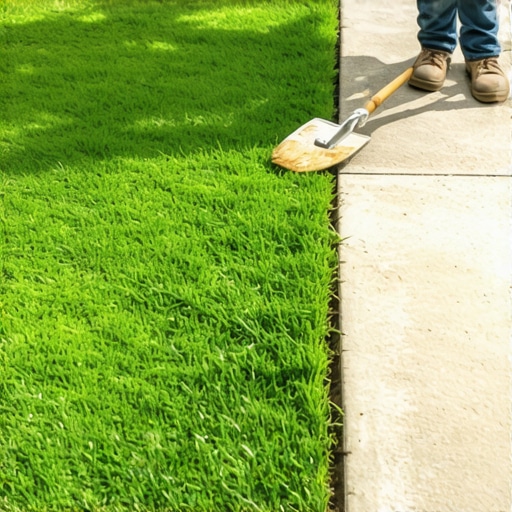
If the patch is already yellow, the grass is likely dead. You can’t ‘heal’ a dead leaf blade. You have to remove and replace. Here is the professional protocol for 2026 lawn repair:
- Excavate: Remove the dead turf and the top 2-3 inches of contaminated soil. Do not just throw seed on top of dead grass.
- Neutralize: Flush the area with at least 5 gallons of water to move the remaining salts below the root zone.
- Backfill: Use a high-quality loam mixed with 10% organic compost. This reintroduces the soil microbiology lost during the burn.
- Seed or Sod: Use a salt-tolerant cultivar like ‘Tall Fescue’ or certain ‘Zoysia’ blends depending on your USDA zone.
- Compact: Lightly tamp the area. Air pockets are the enemy of root establishment.
“A retaining wall doesn’t fail because of the stone; it fails because of the water trapped behind it, just as a lawn doesn’t fail because of the dog, but because of the salt accumulation left unmanaged.” – Hardscape Engineering Axiom
Designing the Pet-Resilient Landscape
If you’re tired of the constant repair cycle, your garden design is flawed. High-end landscaping isn’t just about aesthetics; it’s about functionality. In 2026, we are seeing a massive shift toward ‘Pet-Zoning.’ This involves using hardscaping to create dedicated relief areas. A well-constructed ‘pet pit’ using 1/4-inch washed pea gravel or decomposed granite over a perforated PVC drainage pipe system is the gold standard. It looks intentional, and it saves your $20,000 turf investment. We call this ‘engineering the path of least resistance.’ If the dog has a better place to go, they’ll use it.
How much modified gravel do I need for a patio base?
For a standard residential patio or pet relief area, you need a minimum of 4 to 6 inches of compacted modified gravel (21A or CR-6) to ensure proper structural integrity and drainage. This base prevents hydrostatic pressure from shifting your pavers and allows liquid waste to filter through to the subsoil efficiently. Don’t skimp on the base.
The Long-Term Maintenance Forecast
Stop over-fertilizing. Most homeowners are already pushing their nitrogen levels to the limit to get that ‘golf course look.’ This leaves zero buffer for when the dog goes out. I tell my clients to back off the synthetic nitrogen by 25% and switch to organic, slow-release milorganite-style fertilizers. This builds a more resilient soil structure that can handle a spike in ammonia without crashing. Also, raise your mower deck. Taller grass has deeper roots. Deeper roots can survive surface-level salt spikes much better than a scalped lawn. Aim for 3.5 to 4 inches. It’s not just grass; it’s a living hydraulic system. Treat it with respect.
![Why Your 2026 Fescue Overseeding Failed [3 Clay Soil Fixes]](https://lawnmajesty.com/wp-content/uploads/2026/06/Why-Your-2026-Fescue-Overseeding-Failed-3-Clay-Soil-Fixes.jpeg)