3 2026 Lawn Seeding Mistakes That Kill New Grass
The Forensic Autopsy of a Failed 2026 Lawn Project
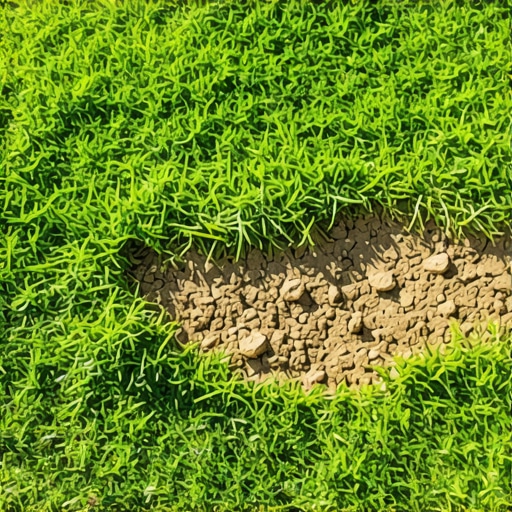
The ground was spongy, smelling of anaerobic decay and failure. When I walked onto the property, I didn’t see a lawn; I saw a $12,000 mistake. The homeowner had followed a ‘quick-start’ guide from a big-box store, and the results were predictably catastrophic. Yellowing blades, patchy germination, and a literal sea of crabgrass had choked out the expensive fescue mix. My calloused hands pulled up a handful of what should have been soil, but it was nothing more than compacted red clay that felt like concrete. This is what happens when you treat landscaping like a hobby instead of an engineering project. I always drill into my new crew members: if you don’t fix the soil grading first, every plant you put in the ground is just expensive compost. You cannot skip the physics of the land and expect the biology to thrive. This article breaks down the three massive errors I see homeowners and ‘mow-and-blow’ hacks make every single season, updated for the specific climatic challenges we face in 2026.
Mistake 1: Ignoring Soil Compaction and pH Resistance
Soil compaction is the primary reason for seeding failure because it physically prevents oxygen exchange and root penetration into the deeper subsoil layers. If your bulk density is too high, the seed radicle cannot exert enough pressure to move through the pore spaces, leading to stunted growth and eventual desiccation. Most people think throwing a bag of ‘black dirt’ over the lawn is enough. It is not. You need to understand the Cation Exchange Capacity (CEC) of your dirt. If the soil pH is below 6.0, the phosphorus you just paid for in that starter fertilizer is chemically locked. It is sitting right there, but the plant cannot eat it. It’s like being in a room full of food with your hands tied behind your back.
| Material Type | Bulk Density (g/cm3) | Drainage Rating | Best Use Case |
|---|---|---|---|
| Screened Topsoil | 1.1 to 1.3 | High | Seed bed preparation |
| Compacted Clay | 1.6 to 1.8 | Very Low | Structural fill only |
| Organic Compost | 0.5 to 0.6 | Excellent | Amending existing beds |
| Modified Gravel | 2.0 to 2.2 | Structural | Hardscape base layers |
“A lawn’s success is determined 90% by the seed-to-soil contact and the physical properties of the rhizosphere, not the price of the bag.” – Agronomy Field Manual 4th Ed.
How much modified gravel do I need for a patio base?
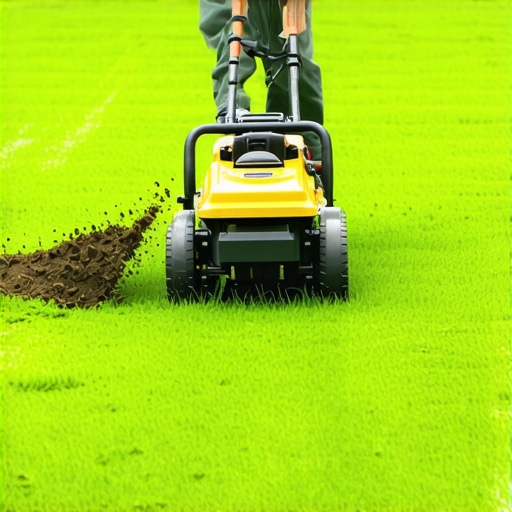
While we are discussing the ground, remember that hardscaping and lawn care overlap at the drainage line. For a standard patio installation, you need a minimum of 6 inches of modified gravel compacted in 2-inch lifts to ensure hydrostatic pressure doesn’t heave your pavers during the freeze-thaw cycle. This same logic applies to your lawn: if the base is bad, the surface fails. You must use a mechanical core aerator to pull 3-inch plugs before you even think about opening a bag of seed. This opens the ‘lungs’ of the earth. Don’t use those spike aerators; they just push the clay sideways and make the compaction worse. It is a rookie move.
Mistake 2: The Chemical Conflict of Pre-Emergents and Nitrogen Spikes
Pre-emergent herbicides are designed to create a chemical barrier that prevents seed germination, but many homeowners apply them too close to their lawn seeding window, effectively killing their new grass before it sprouts. In the 2026 climate cycle, we are seeing earlier soil warming, which triggers crabgrass cycles sooner than usual. If you put down a prodiamine or dithiopyr barrier, you have essentially salted the earth for your new fescue or bluegrass for the next 90 to 120 days. You have to choose: do you want to kill weeds, or do you want to grow grass? You cannot do both simultaneously unless you are using mesotrione, and even then, the timing must be surgical. Over-fertilizing with high-nitrogen ‘turf builders’ is the second half of this chemical nightmare. High nitrogen levels can cause seedling burn by drawing moisture out of the tender coleoptile via osmotic pressure.
- Verify Soil Temperature: Do not seed until the 4-inch soil temp is consistently between 55 and 65 degrees Fahrenheit.
- Check 811/Dig Safe: Before any deep aeration or grading, call your local utility marking service to avoid hitting gas or fiber optic lines.
- Calculate NPK Ratios: Use a 10-10-10 or a specific starter fertilizer with high phosphorus (the middle number) to encourage root branching.
- Calibrate Your Spreader: A ‘setting 5’ on a cheap plastic spreader is not the same as a ‘setting 5’ on a professional Spyker unit. Measure your square footage and weigh your product.
Mistake 3: Shallow Irrigation and the Perched Water Table Effect
New grass irrigation requires a transition from frequent, light misting to deep, infrequent soaking to force the root systems to chase moisture down into the soil profile. Most people kill their 2026 lawn by watering for ten minutes every day. This keeps the top half-inch of soil saturated but leaves the subsoil bone dry. This leads to shallow rooting, making the grass susceptible to the first heat wave of July. Furthermore, if you have heavy clay soil, you risk creating a perched water table where water sits at the interface of the new soil and the old compacted layer, literally drowning the roots in a low-oxygen environment. The roots will rot. It is that simple.
Why is my new grass turning yellow and dying?
Your new turfgrass is likely dying due to damping off, a fungal pathogen caused by excessive moisture and poor air circulation. In 2026, we are seeing higher humidity spikes that favor Pythium and Rhizoctonia. To prevent this, water only in the early morning (4 AM to 8 AM) so the leaf blades can dry during the day. If the grass stays wet overnight, you are basically inviting a fungal infestation to a buffet. You need exactly 1 inch of water per week, delivered in two deep sessions once the grass has reached its second mowing height. It will rot if you don’t watch the evapotranspiration rates. Don’t skip the moisture meter check.
“A retaining wall doesn’t fail because of the stone; it fails because of the water trapped behind it.” – Hardscape Engineering Axiom
Technical Maintenance Protocol
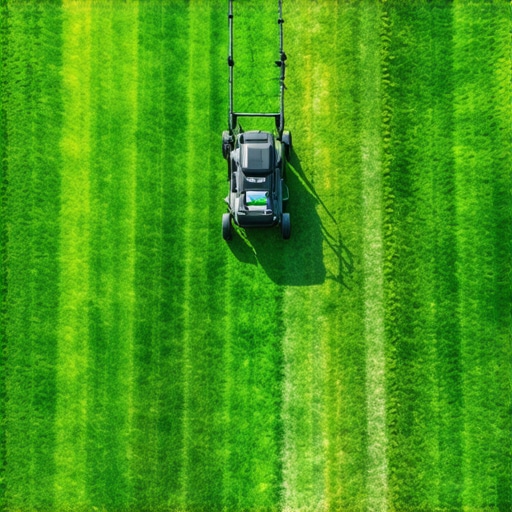
Once you have avoided these three mistakes, your job isn’t over. The first year of a lawn’s life is about root establishment, not top growth. Avoid scalping the lawn; keep your mower deck at at least 3.5 inches. This provides shade to the soil surface, reducing evaporation and preventing weed seeds from getting the sunlight they need to germinate. This is biological warfare, and your grass needs every advantage. If you see thatch buildup, don’t just power rake it; look at your microbiology. Healthy soil has earthworms and microbes that eat thatch. If your soil is dead from too many big-box chemicals, you have to fix the soil biology first. Stop looking for a miracle in a bag and start looking at the soil structure under your boots. That is how you build a professional-grade landscape.