Fixing Uneven 2026 Steps with Simple Shimming
The Anatomy of a Failing Tread
An uneven step is not just an aesthetic flaw; it is a structural liability that signals a failure in the sub-grade or the compaction process. To fix uneven 2026 model steps, you must identify the settlement pattern and use high-density composite or stainless steel shims to restore the rise and run to within a 1/8-inch tolerance. Ignoring these deviations leads to catastrophic joint failure. It will fail.
I recently got called out to tear up a $30,000 patio that was sinking because the previous contractor thought he could get away with using ‘clean’ stone without a proper fines-to-aggregate ratio. The steps were the first to go. One side had dropped nearly two inches, creating a literal trip hazard that would’ve sent any homeowner to the emergency room. When I pulled the treads off, I didn’t find a compacted base; I found loose dirt and rotting cedar shims. It was a disgrace. This is what happens when you hire a ‘mow-and-blow’ hack who thinks a level is just a suggestion. We had to excavate three feet down just to reach stable soil and rebuild the entire footer with 2A modified gravel compacted in 2-inch lifts. Don’t be that guy. Fix it right the first time.
Why do 2026 model steps settle unevenly?
The 2026 series of precast steps are heavy, often weighing over 300 pounds per unit, which exerts significant hydrostatic pressure on the underlying aggregate base. When the soil hasn’t been tested for Proctor density, or if the drainage is moving water toward the foundation rather than away, the base liquefies and the step tips. This is often exacerbated by the ‘freeze-thaw’ cycle where ice lenses form under the slab and heave the stone upward, only for it to settle back down into a different, unlevel position once the thaw occurs.
“A retaining wall doesn’t fail because of the stone; it fails because of the water trapped behind it.” – Hardscape Engineering Axiom
The Engineering of the Shim
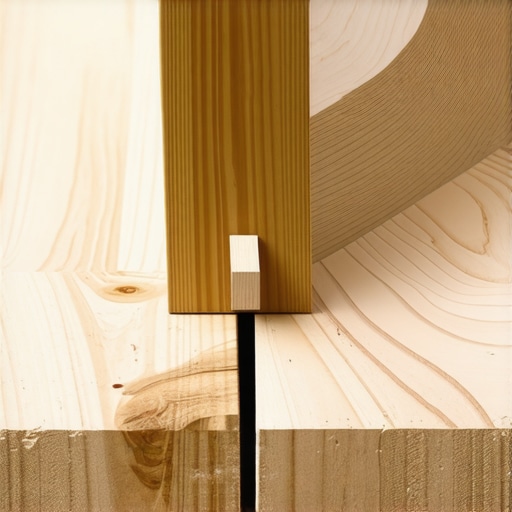
Shimming isn’t about shoving a piece of wood into a gap. In the 2026 model year, manufacturers have tightened the tolerances on the ‘draft’ of the mold, meaning any deviation you see is almost certainly a base issue. We use 304-grade stainless steel shims or high-density polyethylene (HDPE). Wood is organic. Wood rots. When it rots, it creates a void. When that void collapses under a 300-pound step, the stone cracks. I’ve seen $500 granite treads snapped in half because a contractor used a cedar shim. It’s pathetic. You need a material that can withstand at least 8,000 PSI without deforming.
| Material | Durability | Compression Strength | Best Use Case |
|---|---|---|---|
| Stainless Steel | Permanent | High (10,000+ PSI) | Heavy 2026 treads and structural wall units. |
| HDPE Composite | 50+ Years | Medium (5,000 PSI) | Lightweight pavers and decorative capping. |
| Cedar/Wood | 2-3 Years | Low (Rots) | Temporary bracing only. Never permanent. |
| Mortar/Plastic | Variable | Low (Brittle) | Not recommended for shimming. |
How much modified gravel do I need for a patio base?
To calculate your base material needs, multiply the square footage of the step area by the depth of the base (usually 6-8 inches for steps) and divide by 27 to get cubic yards. For the 2026 steps, you must account for a 12-inch over-dig behind the unit to allow for drainage stone. Failure to provide this 1-foot buffer of clean 3/4-inch stone will result in the same hydrostatic pressure issues that caused the original tilt. Always use a plate compactor with at least 4,000 lbs of centrifugal force. A hand tamper is for gardening, not for hardscaping. Use the right tools.
The Forensic Leveling Process
- Step 1: Measurement. Use a 4-foot digital level to find the exact pitch. Most steps should have a 1/8-inch forward pitch to shed water.
- Step 2: Excavation. Lift the tread using a vacuum lift or two-man strap system. Do not use a crowbar on the face of the stone; it will chip the 2026 finish.
- Step 3: Base Remediation. If the base is soft, remove it. Replace with 2A modified (crushed limestone with fines).
- Step 4: The Shim Placement. Place shims on the front two corners to set the height. Use polyurethane hardscape adhesive (ASTM D3498) to secure them.
- Step 5: Backfilling. Fill the void created by the shim with polymeric sand or fine screenings to ensure 100% surface contact.
“The stability of a segmental retaining wall is directly proportional to the compaction of the leveling pad and the shear strength of the aggregate.” – ICPI Manual of Standards
Can I use wood shims for stone steps?
No, you cannot use wood shims for stone steps because organic decomposition will eventually leave a void, causing the stone to shift and potentially fracture under weight. Hardscape professionals only use non-compressible shims like stainless steel or specialized composites that do not react to soil chemistry or moisture. If I catch a member of my crew even carrying wood shims on a hardscape job, they’re off the site. It’s that simple. We are building for decades, not for the next season. The 2026 steps are designed for a 50-year lifespan; don’t ruin them with a 5-cent piece of wood.
Check your pitch every 15 minutes during the install. The tamper should literally bounce off the compacted base when you’ve reached 98% Proctor density. If it still feels ‘mushy,’ you haven’t hit your compaction target. Keep going. If you skip this, the first heavy rain will turn your beautiful steps into a staircase to nowhere. The earth is constantly trying to move your work. Your job is to make that movement impossible. Precision is the only way.