How to Design a Low-Maintenance Backyard for Busy Homeowners
Designing a backyard that survives without a full-time gardener requires more than a trip to the local nursery. It requires a fundamental understanding of civil engineering and plant biology. Most homeowners fail because they prioritize aesthetics over site preparation. If your soil is compacted or your drainage is blocked, your backyard will eventually become a swamp of dead perennials and sinking stones. Success is found in the dirt, not the catalog.
The Critical Foundation of Site Grading and Soil Physics
A low-maintenance backyard starts with proper site grading and soil amendments to ensure water moves away from structures and plant roots can breathe. By establishing a 1 to 2 percent slope and testing soil pH levels before planting, you create an environment where hardscaping and native vegetation thrive with zero intervention. I always drill into my new crew members: if you don’t fix the soil grading first, every plant you put in the ground is just expensive compost. You cannot skip the excavation phase. If you do, you are just waiting for a disaster. I have seen $50,000 installs ruined by a 4-inch dip in the grade that collected water and rotted out a whole row of expensive boxwoods. We don’t do that here. We dig. We measure. We compact.
“A retaining wall doesn’t fail because of the stone; it fails because of the water trapped behind it.” – Hardscape Engineering Axiom
The Hardscape Backbone: Reducing the Turf Footprint
To achieve a low-maintenance landscape, you must replace high-maintenance turf grass with hardscape elements like paver patios, gravel paths, and retaining walls. Utilizing ICPI-certified installation techniques with 6 inches of modified gravel base ensures these surfaces remain stable for decades without requiring mowing or chemical treatments. Hardscaping is the ultimate labor-saver. Every square foot of patio is a square foot you never have to fertilize. But you have to do it right. You need 95 percent compaction on that subgrade. If you don’t use a vibratory plate compactor, the ground will settle. The pavers will shift. The weeds will move in. Don’t be the guy who thinks a bag of sand is enough for a base.
How much modified gravel do I need for a patio base?
For a standard residential patio, you need a minimum of 6 inches of compacted 21A or 57 stone topped by 1 inch of concrete sand. This depth provides the structural integrity to prevent frost heave and ensures that hydrostatic pressure does not displace your pavers over time.
| Material Type | Maintenance Requirement | Estimated Lifespan | Durability Score |
|---|---|---|---|
| Crushed Granite | Annual Raking | 20+ Years | High |
| Natural Stone Pavers | Polymeric Sand Refill (5 yrs) | 50+ Years | Extreme |
| Pressure Treated Wood | Staining every 2 years | 10-15 Years | Moderate |
| Synthetic Turf | Occasional Rinsing | 15-20 Years | High |
High-Efficiency Planting: Native Species and Root Management
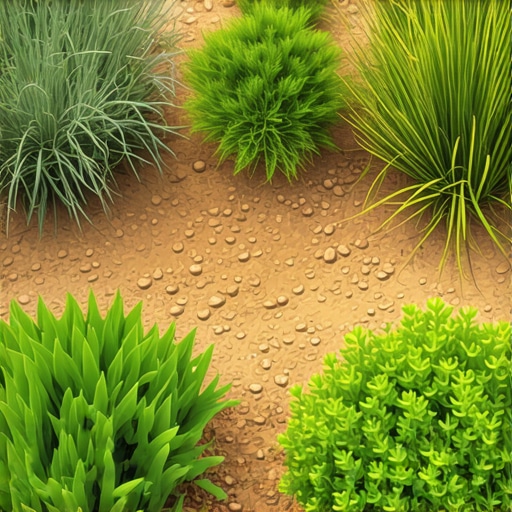
Low-maintenance planting is achieved by selecting native species that have evolved for your specific USDA hardiness zone and soil composition. By focusing on root flare visibility and utilizing drip-line irrigation systems, you minimize the need for supplemental watering and chemical pest control. Stop buying plants from big-box stores. They are often root-bound and over-fertilized. When you put a plant in the ground, you must find the root flare. If you bury that flare, you are suffocating the tree. It will rot. It’s a slow death, but it’s certain. Use a layer of triple-shredded hardwood mulch, but keep it away from the trunk. No mulch volcanoes. They are the hallmark of a hack contractor.
“Native plants support significantly more biodiversity than non-native species and require 80 percent less supplemental irrigation once established.” – Penn State Agricultural Extension
[image placeholder]
Which ground cover is best for heavy shade and no mowing?
For shaded areas, Carex pensylvanica or Pachysandra procumbens are excellent choices that provide a carpet-like effect without the need for lawn care. These plants are drought-tolerant and suppress weed growth naturally by outcompeting them for soil nutrients and light. Avoid English Ivy; it is an invasive nightmare that will climb your siding and destroy your mortar joints.
The Precision Maintenance Checklist
Even a low-maintenance yard needs a plan. Follow this schedule to ensure your engineering holds up against the elements. If you stay ahead of it, the work is minimal. If you ignore it, the forest takes back what is hers.
- March: Check drainage swales for debris. Test soil pH in planting beds.
- May: Inspect paver joints for polymeric sand erosion. Spot treat weeds before they go to seed.
- September: Core aeration for any remaining turf areas to reduce compaction.
- November: Winterize irrigation lines to prevent pipe bursts. Clean out French drain outlets.