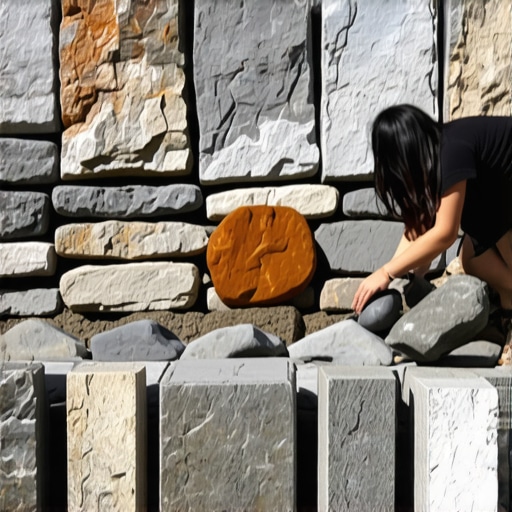
How to Select the Right Stone for Your Wall
The Hardscape Autopsy: Why Material Choice Dictates Structural Longevity
I recently got called out to tear up a $30,000 patio that was sinking because the previous contractor chose stone based on color instead of geology. The homeowner wanted a specific look, but the installer used a soft, porous sedimentary stone for a high-traffic structural transition without an adequate base. Within two years, the frost-thaw cycles had saturated the stone, the blocks were cracking under their own weight, and the entire wall was leaning at a dangerous 15-degree angle. This is the reality of hiring a mow-and-blow crew for a civil engineering task. In the world of high-end hardscaping, aesthetics come second. Engineering comes first. Every stone you select must be vetted for its density, absorption rate, and compressive strength. If you ignore the physics of the site, you are not building a wall; you are building a future pile of rubble. [IMAGE_PLACEHOLDER]
Understanding Stone Geology for Structural Retaining Walls
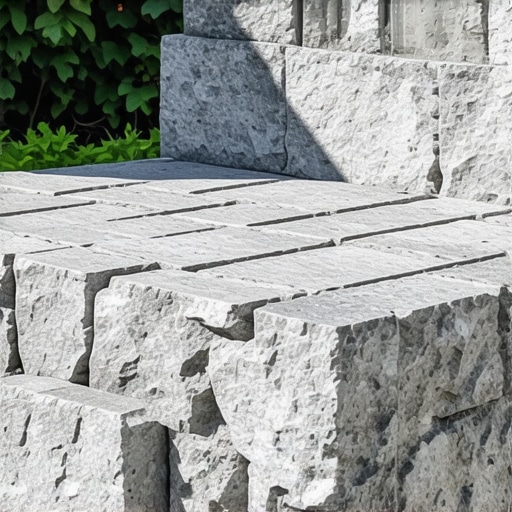
To select the right stone for your wall, you must evaluate the material’s compressive strength, porosity, and angularity relative to the wall’s height and structural purpose. Structural walls require high-density limestone or granite, while decorative garden walls can utilize softer sandstone or fieldstone depending on local weather patterns. Gravity walls rely on the sheer mass of the stone to resist the lateral pressure of the soil behind them. If you choose a stone that is too light or too smooth, the friction coefficient between layers will fail. You need stones with flat, rough surfaces that lock together under pressure. Low-density stones like certain soft shales will simply crush at the base of a four-foot wall once the hydrostatic pressure peaks during a heavy rain event.
“A retaining wall doesn’t fail because of the stone; it fails because of the water trapped behind it.” – Hardscape Engineering Axiom
How much modified gravel do I need for a patio base?
For a standard patio or small garden wall, you require a minimum of six inches of compacted 2A modified gravel base. This base must be excavated deeper if the soil is heavy clay, as clay retains water and expands during the winter. You must compact this gravel in two-inch lifts to ensure 95 percent Proctor density, otherwise the stone wall above will settle unevenly regardless of the stone quality. I tell my guys to keep the tamper moving until it literally bounces off the surface. That is the sound of a foundation that will outlive the house.
| Stone Category | Density (lbs/ft3) | Absorption Rate | Best Application |
|---|---|---|---|
| Granite | 160-175 | Very Low (<0.5%) | Structural Retaining Walls |
| Limestone | 150-165 | Low (1-3%) | Engineered Stacked Walls |
| Sandstone | 135-150 | High (5-10%) | Low Garden Borders |
| Slate | 170-180 | Medium (2-5%) | Veneer/Decorative |
The Physics of Stone Selection: Igneous vs. Sedimentary
Selecting the right stone requires an understanding of how the rock was formed. Igneous rocks like granite are the gold standard for hardscaping because they are formed under intense heat and pressure, making them virtually impervious to water. Sedimentary rocks like sandstone and limestone are easier to cut and shape, but they vary wildly in quality. If you are in a northern climate with frequent freeze-thaw cycles, a high-absorption sandstone is a death sentence for your project. Water enters the pores, freezes, expands, and shears the stone into flakes. This is called spalling. Always check the ASTM standards for the specific batch of stone you are buying. Do not trust the bin label at the local yard. Ask for the technical data sheet. If they cannot provide it, walk away.
What is the best stone for a 4-foot retaining wall?
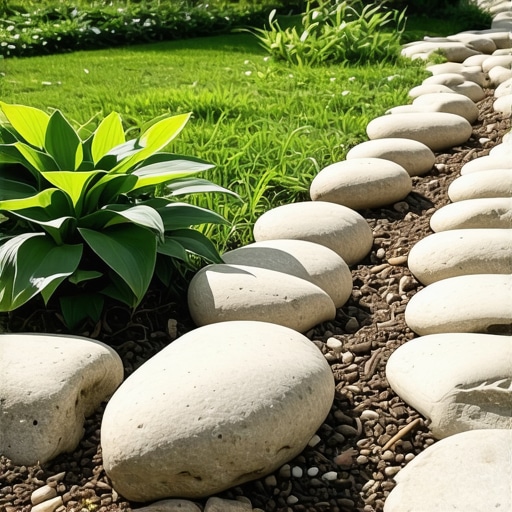
The best stone for a 4-foot retaining wall is a weathered limestone or granite block with a minimum depth of 12 inches. At four feet of height, the wall is managing massive lateral loads, and you must use stone with a high weight-to-volume ratio to maintain stability without the use of geogrid. Large, angular fieldstones can also work if they are expertly stacked, but they require significantly more labor to ensure proper point-to-point contact. Avoid rounded river rock for any wall over 18 inches. Rounded stones offer zero friction and will roll under pressure. It is a structural failure waiting to happen.
The Professional Installation Checklist
- Call 811 to mark all underground utilities before excavation begins.
- Excavate the trench at least 12 inches wider than the stone width to allow for drainage stone.
- Install a 4-inch perforated PVC drain pipe (French drain) at the base of the wall, sloped to daylight.
- Use a non-woven geotextile fabric to separate the drainage stone from the native soil.
- Level the first course of stone perfectly; every mistake here is magnified as the wall goes up.
- Backfill with clean 1B or 3/4-inch crushed stone, not dirt or modified gravel.
- Cap the wall with a heavy, solid stone and high-grade exterior masonry adhesive.
“Proper drainage design is the most critical component of any hardscape installation to prevent hydrostatic pressure buildup.” – ICPI Tech Manual 12
Hydrostatic Pressure and the Drainage Mandate
The biggest enemy of your stone wall is not the weight of the dirt; it is the weight of the water in that dirt. Water weighs 62.4 pounds per cubic foot. If your wall is not designed to let water pass through, that pressure will eventually push any stone, no matter how heavy, out of alignment. This is why the selection of the backfill material is just as important as the selection of the face stone. I always use a clean, angular 3/4-inch stone for backfill. This creates a high-void space that allows water to drop straight down to the perforated pipe and exit the system. If you see a wall with water weeping out of the face, it means the drainage behind it is failing or non-existent. You will see white, powdery stains called efflorescence. This is the salt being pulled out of the stone by moisture. It is the first warning sign of a structural collapse. Don’t skip the drainage. Don’t use dirt for backfill. Fix it now or pay me to fix it later.
Conclusion: Choosing Quality Over Convenience
Your wall is a long-term investment in your property’s value and safety. When you stand at the stone yard, do not look for the cheapest pallet or the one that is the easiest to lift. Look for the densest, most durable material that matches the engineering requirements of your slope. A wall built with the right stone and a proper drainage system will stand for fifty years. A wall built with the wrong stone will be a headache in five. Quality stone costs more upfront, but it is far cheaper than building the same wall twice. Stop listening to the sales guy who says any stone will work. It won’t. Listen to the geology. Respect the physics. Build it right the first time.