
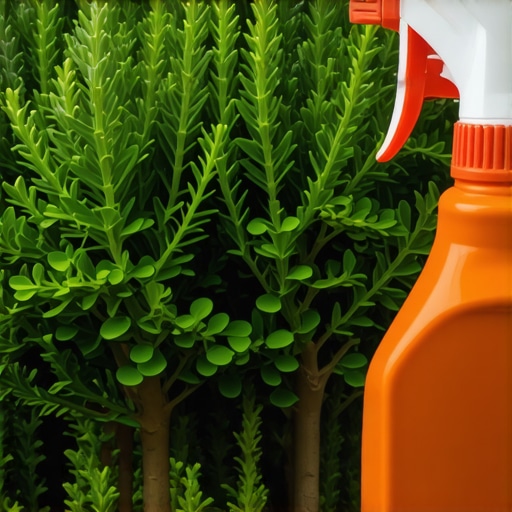
How to Stop 2026 Boxwood Blight with Copper Fungicide
Identifying the 2026 Boxwood Blight Crisis (Calonectria pseudonaviculata)
Stopping the 2026 boxwood blight requires a preventative application of copper fungicide combined with rigorous sanitation and moisture management to disrupt the lifecycle of the Calonectria pseudonaviculata fungus. Success hinges on early detection of dark leaf spots and black stem lesions before the spores become airborne in high-humidity environments.
A homeowner called me in a panic last spring after they completely torched their $15,000 English Boxwood hedge by applying a high-concentration copper sulfate solution in the middle of a 90-degree afternoon. They didn’t just kill the fungus; they chemically burned the leaf cuticle, resulting in total defoliation within forty-eight hours. This is what happens when you treat horticultural chemicals like dish soap instead of the volatile metallic salts they are. I spent the next three months trying to remediate the soil pH because the runoff had acidified the root zone to a point where the plants couldn’t uptake micronutrients. If you want to save your Buxus, you need to understand the physics of the spray and the biology of the spore.
“A retaining wall doesn’t fail because of the stone; it fails because of the water trapped behind it.” – Hardscape Engineering Axiom
How does copper fungicide work against boxwood blight?
Copper ions (Cu2+) act as a multi-site inhibitor. When a fungal spore lands on a leaf surface coated with a thin film of copper, it absorbs the ions, which then denature the proteins and enzymes within the fungal cell. This prevents the spore from germinating and penetrating the plant’s stomata. It is a protective barrier, not a systemic cure. If the fungus is already inside the vascular tissue, copper won’t touch it. This is why timing is everything.
The Forensic Autopsy: Why Most Blight Treatments Fail
Most blight treatments fail because contractors ignore the micro-climate and fail to address hydrostatic pressure and air stagnation within the garden design. To fix the issue, you must evaluate the soil drainage and the proximity of the plants to hardscape features that reflect heat and trap moisture.
Boxwood blight thrives in 100% relative humidity. If your garden design features tightly packed boxwoods against a stone wall with no airflow, you have created a petri dish. I tell my crew: if you can’t see through the interior of the plant after a thinning prune, the blight has already won. We use a bypass hand pruner to remove 10% of the interior branches to allow air to cycle. This lowers the leaf-wetness period, which is the primary driver of fungal outbreaks.
When is the best time to apply copper fungicide to boxwoods?
The optimal window for copper application is in early spring when temperatures consistently hit 60 degrees Fahrenheit, or when the forecast predicts 48 hours of rain. Copper must be dry on the leaf surface before the rain starts to provide a residual barrier. Re-application is typically required every 10 to 14 days during high-pressure cycles.
| Fungicide Type | Action Mechanism | Residual Length | Phytotoxicity Risk |
|---|---|---|---|
| Fixed Copper (Kocide) | Contact Barrier | 7-14 Days | High in Heat |
| Liquid Copper Ammonium | Contact Barrier | 5-10 Days | Medium |
| Chlorothalonil (Daconil) | Multi-site Inhibitor | 10-14 Days | Low |
The 2026 Blight Remediation Protocol
Follow these steps to manage a boxwood blight outbreak with professional precision. Do not skip the sanitation phase; spores can live in the soil for five years.
- Sanitize Tools: Dip all pruners in a 10% bleach solution or 70% isopropyl alcohol between every single plant.
- Debris Removal: Hand-pick all fallen leaves and the top inch of mulch. Do not compost these; burn them or bag them for the landfill.
- Calibrate Sprayer: Set your sprayer to 40 PSI to ensure a fine mist. Large droplets roll off the waxy boxwood leaf, wasting the product.
- pH Check: Ensure your soil pH is between 6.5 and 7.2. Acidic soil increases copper solubility, which can lead to plant poisoning.
“The presence of free water on the leaf surface for as little as 12 hours is sufficient for the infection of Buxus species by C. pseudonaviculata.” – USDA Agricultural Research Service
Does copper fungicide kill boxwood blight spores in the soil?
No, copper fungicide is primarily effective on the foliage. To manage soil-borne spores, you must apply a thick layer of hardwood mulch to act as a physical barrier, preventing spores from splashing up onto the lower leaves during rain events. This is a critical component of integrated pest management in high-end landscaping.
Hardscaping and Structural Adjustments for Blight Control
If you are serious about stopping the blight, you might need to move some stone. Hardscaping affects biology. If your boxwood hedge is bordering a patio that slopes toward the planting bed, you are drowning the roots and inviting fungal pathogens. We often install French drains or modified gravel bases behind the garden beds to pull excess water away from the root flare. The goal is to keep the feet dry and the head airy. Don’t use

![Why Your 2026 Hydrangeas Won't Bloom [3 Common Reasons]](https://lawnmajesty.com/wp-content/uploads/2026/05/Why-Your-2026-Hydrangeas-Wont-Bloom-3-Common-Reasons.jpeg)