
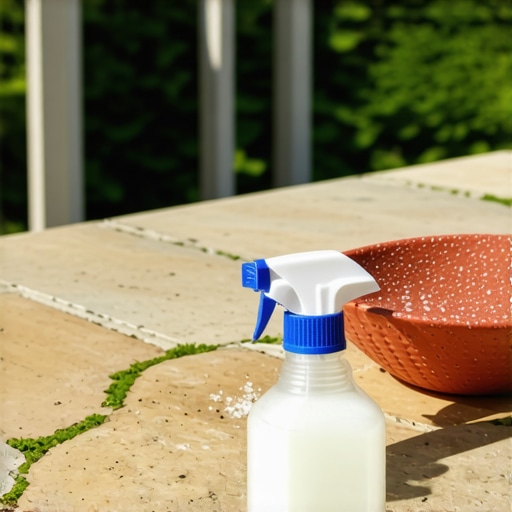
How to Clean 2026 Patio Moss Without Harsh Acids
The Hardscape Autopsy: Why Your Patio is Actually a Moss Farm
I recently got called out to tear up a $30,000 patio that was sinking because the previous contractor failed to address the capillary rise of moisture and the homeowner used muriatic acid to ‘clean’ it. To clean 2026 patio moss without harsh acids, you must utilize mechanical agitation followed by a biological surfactant or an oxygen-based cleaner that targets the moss rhizoids without altering the pH of the surrounding hardscape materials or the soil’s microscopic integrity. When I pulled those stones up, the base layer was a sludge. Acid washing had dissolved the polymeric sand and leached into the modified gravel base, changing the soil chemistry and creating a perfect, anaerobic environment for bryophytes to thrive. Moss is not just a surface nuisance. It is a biological indicator of structural failure. It tells me your drainage is shot or your pavers are holding too much water.
“A retaining wall doesn’t fail because of the stone; it fails because of the water trapped behind it.” – Hardscape Engineering Axiom
The Biology of the Infestation
Moss lacks a vascular system. It does not have roots in the traditional sense. Instead, it has rhizoids. These tiny filaments anchor the moss into the microscopic pores of your concrete or natural stone. When you dump harsh acids on them, you aren’t just killing the moss. You are etching the stone. This increases the surface area for the next generation of spores to latch onto. You are literally building a better moss habitat. We measure the success of a cleaning by the Pore Opening Ratio. If your cleaning method opens the pores of the stone, you lose. We want to keep those pores sealed while killing the biology. This requires a shift from chemical warfare to engineering logic.
| Method | pH Level | Structural Impact | Longevity |
|---|---|---|---|
| Muriatic Acid | 1.0 | High (Corrosive) | Short-term (Returns fast) |
| Oxygen Bleach | 10.0 | Low (Oxidizing) | Medium-term |
| Biological Enzymes | 7.0 (Neutral) | Zero | Long-term |
| Pressure Washing | N/A | Medium (Erosion risk) | Variable |
How much modified gravel do I need for a patio base?
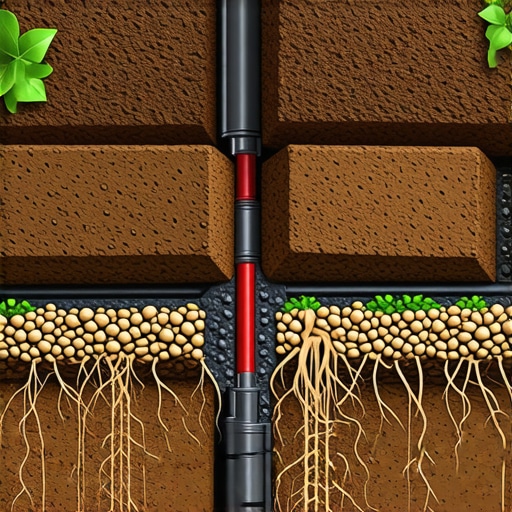
For a standard pedestrian patio, you need a minimum of 4 to 6 inches of compacted 2A modified gravel, but this must be calculated based on the frost heave potential of your specific soil profile. If your base is too thin, water sits under the pavers. This water feeds the moss from below. Don’t skip the compaction. Use a plate compactor with at least 4,000 lbs of centrifugal force. The tamper should literally bounce off the compacted base. If it feels soft, your moss will be back in six months. This is non-negotiable. Soft bases lead to settling, and settling leads to puddles. Puddles are moss nurseries.
The 2026 Non-Acid Protocol
First, we use mechanical removal. Get a stiff-bristled wire brush. Not a cheap plastic one. You need to physically disrupt the rhizoid connection. Do this when the moss is slightly damp, not soaked. We want to lift the clumps, not smear them. Second, apply an oxygen-based cleaner (Sodium Percarbonate). Unlike liquid chlorine bleach, this breaks down into oxygen, water, and soda ash. It is non-toxic to your surrounding garden design. It works by breaking the cellular wall of the moss through oxidation. Let it dwell for exactly 20 minutes. Do not let it dry. If it dries, the reaction stops.
- Step 1: Sweep the debris using a high-density poly-broom.
- Step 2: Apply the oxygenated solution at a ratio of 1/2 cup per gallon of warm water.
- Step 3: Agitate with a deck brush. Use elbow grease.
- Step 4: Rinse with low-pressure water. No more than 1,500 PSI.
- Step 5: Inspect jointing sand for depletion.
“The presence of moss indicates a soil pH that is typically below 5.5, but in hardscapes, it more often indicates a lack of ultraviolet light and poor surface drainage.” – Cornell Agricultural Extension Manual
Why is moss growing in my patio cracks?
Moss grows in patio cracks because the polymeric sand has failed or the hydrostatic pressure from the soil below is forcing moisture upward through the joints. If your joints are empty, they collect organic matter—dust, dead skin, leaf debris. This creates a microscopic layer of compost. It is a perfect grow-medium. You must replace failed joints with a high-performance polymeric sand that contains vapor-permeable binders. This allows the patio to breathe while preventing weed and moss seeds from taking hold. If you see moss, your joints are likely holding water instead of shedding it. It will rot. Clean them out completely before reapplying any sand.
The Engineering of Prevention
In 2026, we are moving away from reactive cleaning toward biostatic hardscaping. This means designing the patio to be inhospitable to moss from day one. You need a 2% slope away from any structure. That is a 1/4-inch drop per foot. Most DIYers eyeball it. They fail. Use a transit level. If the water doesn’t move, the moss stays. Also, consider the Solar Access Ratio. If your patio is on the north side of the house, you need to use non-porous stones like high-density porcelain or granite. Concrete pavers are sponges. They suck up water and hold it in their core. This is why you see moss on concrete long before you see it on granite. It is basic physics. Don’t fight the site; engineer for it.
Maintaining the Micro-Climate
Once you have cleaned the moss, you have to change the environment. Moss hates airflow. Trim back overhanging branches. Increase the lumen count hitting the stone. If the stone can’t dry within two hours of a rain event, you will have a moss problem forever. This is where landscaping meets engineering. You aren’t just planting shrubs; you are managing a micro-climate. Avoid high-nitrogen fertilizers near your patio edges. Runoff from lawn care chemicals can actually fertilize the moss on your pavers. Switch to slow-release organic fertilizers to prevent nutrient leaching. Stop the cycle. Keep it dry. Keep it clean. Use your head, not a bottle of acid.
![Stop 2026 Leaf Wilt on Roses [Soil Fix]](https://lawnmajesty.com/wp-content/uploads/2026/07/Stop-2026-Leaf-Wilt-on-Roses-Soil-Fix.jpeg)