How to Stop Your Dog from Digging Up the Flower Beds
The Engineering of a Canine-Resistant Garden
To stop a dog from digging in flower beds, you must replace the biological lure of disturbed soil with structural barriers and olfactory deterrents that disrupt their instinctual drive to excavate. Successful pet-proofing requires a combination of sub-surface armoring, strategic plant selection, and soil density management to ensure your hardscaping and landscaping remain intact against high-energy breeds. It is not just about a fence. It is about physics.
I always drill into my new crew members: if you don’t fix the soil grading first, every plant you put in the ground is just expensive compost. I saw this firsthand on a project in late 2022. A client had spent four grand on high-end perennials, only to have their German Shepherd, Max, level the entire bed in forty-eight hours. The client thought the dog was ‘naughty.’ I told them the dog was just a better engineer than their previous landscaper. The soil was too loose, the mulch was too aromatic, and there was no structural perimeter. We had to treat the bed like a civil engineering project, not a garden. We started with the compaction of the base and worked up to the chemical signals of the foliage. If you ignore the foundation, you are just wasting money.
The Science of Why Dogs Dig: Olfactory and Biological Triggers
Dogs dig because fresh soil releases a cocktail of trapped gases, moisture, and microbial scents that trigger a predatory or nesting response. When you turn a garden bed, you are essentially opening a bottle of ‘scent perfume’ for a dog, signaling that something interesting is buried beneath the thatch layer or topsoil. This is why dogs always target the spot where you just planted a new specimen. They aren’t trying to annoy you. They are responding to the nitrogen-rich aroma of organic matter being oxidized.
“A retaining wall doesn’t fail because of the stone; it fails because of the water trapped behind it. Similarly, a garden bed fails because of the loose structural integrity that invites canine interference.” – Hardscape Engineering Axiom
How deep should a dog-proof fence be buried?
A dog-proof fence or barrier should be buried at least 6 to 12 inches into the ground to prevent dogs from tunneling beneath the structural perimeter. For heavy diggers, we utilize an ‘L-footer’ design where welded wire mesh extends vertically into the trench and then turns outward at a 90-degree angle for an additional 12 inches. This stops the dog’s paws the moment they hit the sub-grade level. Don’t use chicken wire. It will rust and snap. Use 14-gauge galvanized steel mesh. It is non-negotiable.
Hardscape Armoring: Building the Physical Perimeter
Hardscaping serves as the primary defense mechanism against canine excavation by utilizing heavy, non-movable materials like river rock or flagstone to shield the root zones of sensitive plants. If the dog cannot feel the soft earth under their pads, they will not engage in the digging behavior. We call this ‘armoring the bed.’ By using 3-to-5-inch river cobble instead of lightweight cedar mulch, you create a physical barrier that is too heavy for most dogs to shift with their paws. This also helps with soil moisture retention and prevents soil compaction from foot traffic.
| Material Type | Durability Rating | Canine Deterrence | Installation Cost |
|---|---|---|---|
| Hardwood Mulch | Low | 2/10 | $ |
| 3-5 Inch River Rock | High | 9/10 | $$$ |
| Lava Rock (Scoria) | Medium | 7/10 | $$ |
| Groundcover Plants | Medium | 5/10 | $$ |
| Steel Mesh Underlay | Extreme | 10/10 | $$$$ |
Stop buying the cheap cedar chips at the big-box store. They rot in three months and turn into a fungal playground that invites your Golden Retriever to excavate. Instead, look at the PSI (pounds per square inch) of your ground covers. A properly compacted layer of 2A modified gravel under a decorative stone topcoat provides a stable base that resists even the most determined paws. If you are dealing with a massive breed, we actually install polymeric sand between larger flagstones to lock the entire surface into a monolithic sheet. It won’t move. The dog will give up.
Horticultural Tactics: Plant Selection and Spacing
Strategic garden design utilizes dense, thorny, or high-scent plant species to create a biological ‘no-go zone’ for dogs while protecting the integrity of the soil. You should never leave bare earth exposed. Bare earth is a vacuum waiting to be filled by a dog’s paws. We use mass planting techniques to fill every square inch of the bed with native species that have deep, stabilizing root systems. This creates a dense root mat that makes digging physically difficult for the animal.
“The establishment of a dense vegetative cover is the most effective biological method for reducing soil disturbance and preventing unwanted animal excavation in managed landscapes.” – Penn State Agricultural Extension
What plants are naturally resistant to dog digging?
Plants with woody stems, dense growth habits, and non-toxic defensive structures like thorns are the most effective at resisting dog digging. Species such as Berberis thunbergii (Barberry) or Ilex (Holly) provide a physical prickle that dogs find unpleasant. Additionally, high-density ground covers like Pachysandra or Vinca Minor create a carpet that obscures the soil entirely. If the dog can’t see the dirt, the dog doesn’t dig the dirt. Simple logic. Stick to USDA Hardiness Zones appropriate for your region to ensure these plants thrive and maintain their density year-round.
The Step-by-Step Remediation Process
If your dog has already compromised your beds, you need a forensic approach to fix it. Don’t just kick the dirt back in. It won’t stay. Follow this protocol:
- Excavate the loose material: Remove the fluffed-up dirt the dog moved. It has lost its structure.
- Check for root damage: If the root flare is exposed, the plant is at risk of desiccation. Re-cover it immediately.
- Install a sub-surface barrier: Lay down galvanized hardware cloth 2 inches below the final grade.
- Compaction: Use a hand tamper to pack the soil down to a minimum of 85% proctor density.
- Top-dress with heavy aggregate: Skip the mulch; use 1-inch clean crushed stone or larger.
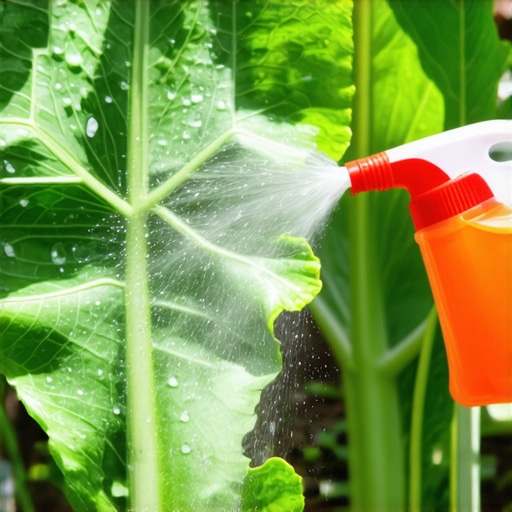
- Apply an olfactory deterrent: Use a spray containing capsicum or bitter agents to break the habit.
How much modified gravel do I need for a dog-proof border?
To calculate the required gravel, multiply the length of the border by the width and the desired depth (at least 3 inches), then divide by 324 to get the total cubic yardage needed. For example, a 10-foot by 2-foot border at 3 inches deep requires approximately 0.18 cubic yards of modified stone. Over-order by 10% to account for compaction. If you under-fill, the dog will just push the rocks aside. Depth is your friend. Don’t be stingy with the stone.
Soil Chemistry and Scent Management
Nitrogen-heavy fertilizers and blood meal are dog magnets; you must switch to synthetic or low-odor organic fertilizers to reduce the animal’s interest in the flower bed. If you use bone meal, you are basically burying a treat. It is a recipe for disaster. I have seen dogs dig up an entire row of prize-winning roses because the owner used fish emulsion. Use a slow-release, granular NPK fertilizer that has been watered into the soil to a depth of 4 inches to minimize surface odor. Also, keep an eye on your soil pH. Highly acidic soil can sometimes attract certain breeds who enjoy the ‘sour’ smell of decomposing organic matter. Aim for a neutral 6.5 to 7.0 for most residential landscaping.
Final Maintenance Schedule
A dog-proof garden is not a set-it-and-forget-it project. It requires a maintenance schedule. Every spring, check your stone depth. Paws move things. Every fall, ensure your perennial ground covers have closed the canopy over the soil. If you see a hole starting, fill it with crushed stone immediately. Do not wait. Once a dog develops ‘substrate preference’ for your garden bed, it is ten times harder to break the habit. Be aggressive. Be structural. Keep the paws off the dirt. It will rot if you don’t. Your garden is an investment in your property’s curb appeal and your own peace of mind. Protect it like the engineering project it is.