Kill 2026 Bermudagrass Invasion with This $20 Border Fix
The Anatomy of an Invasion: Why Your Garden Is Losing the War
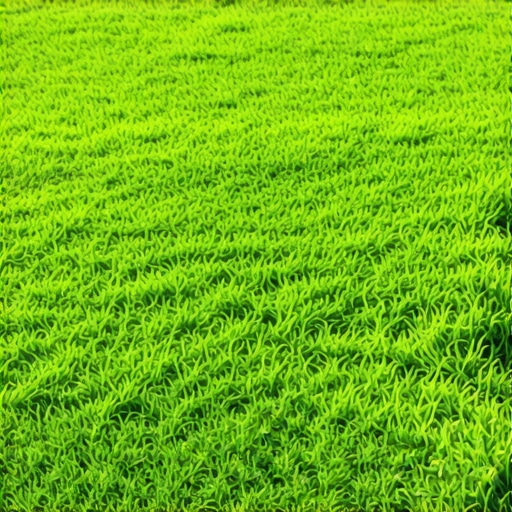
Bermudagrass (Cynodon dactylon) is a highly aggressive perennial C4 grass that spreads through a dual-threat system of rhizomes (underground stems) and stolons (above-ground runners). To effectively stop its spread into garden beds, a physical or mechanical border fix must reach a minimum depth of 6 inches to intercept the plant’s lateral nutrient transport nodes. I always drill into my new crew members: if you don’t fix the soil grading and edge depth first, every plant you put in the ground is just expensive compost. I’ve seen rookies spend six hours hand-pulling runners only to have the entire bed recaptured in fourteen days because they ignored the rhizomes lurking four inches below the surface. This isn’t just weeding; it’s biological warfare against a species designed to survive droughts and heavy grazing. If you leave a single half-inch node in the dirt, you’ve achieved nothing. It will return.
The $20 Solution: Professional Grade Polyethylene vs. The Victorian Trench
The most effective border fix for a standard residential garden bed involves either a 6-inch deep professional-grade polyethylene barrier or a mechanical Victorian edge (air trench). For roughly $20 in materials—specifically a high-density poly-composite strip—you can create a vertical cutoff that Bermudagrass cannot penetrate. Most homeowners fail because they buy the cheap 3-inch plastic edging from big-box stores. It is useless. Bermudagrass rhizomes routinely dive 4 to 5 inches deep to bypass obstacles. You need depth. You need a barrier that stands as a sentinel against the meristematic tissue trying to colonize your mulch. If you prefer the ‘zero-dollar’ route, the air trench is your best friend, but it requires a spade and a disciplined back. You are creating a literal canyon that the stolons cannot cross without being seen and clipped.
“Bermudagrass is one of the most difficult weeds to control in a landscape because of its extensive root system and ability to regenerate from small fragments.” – University of California Agriculture and Natural Resources
How deep should a garden border be to stop Bermudagrass?
To successfully halt Bermudagrass, your garden border must extend at least 6 inches vertically into the soil profile to block 90% of the active rhizome network. While some deeper roots may exist, the primary invasive energy of the plant is concentrated in the top 4-6 inches of the A-horizon soil layer where oxygen and nutrients are most accessible.
| Material Type | Depth (Inches) | Cost (Approx.) | Bermudagrass Resistance |
|---|---|---|---|
| Retail Grade Plastic | 3-4 | $12.00 | Low – Rhizomes dive under |
| Professional Poly Edge | 6 | $22.00 | High – Standard Industry Barrier |
| Steel Edging | 4-6 | $50.00+ | High – Durable but Expensive |
| Air Trench (Victorian) | 6 | $0.00 | Medium – Requires monthly maintenance |
The Forensic Autopsy of a Failed Border
I recently got called out to inspect a garden where the homeowner had installed a beautiful stone border that cost $2,000, yet the Bermudagrass was thicker inside the bed than in the lawn. The autopsy revealed the flaw: they laid the stone on top of the soil without a vertical subterranean barrier. Water was trapped behind the stones, creating a moist micro-environment that actually encouraged the grass to crawl through the gaps. This is why hydrostatic pressure and soil moisture levels matter even in simple lawn care. When you don’t provide a clean, vertical break, you are essentially building a highway for the invaders. You must understand that Bermudagrass is looking for the path of least resistance. A stone on top of dirt is not a barrier; it’s a bridge. We had to rip it all out, trench to 6 inches, and install a poly-liner before resetting the stone. Do it right once, or do it twice and cry.
Step-by-Step: Installing the $20 Invasive Barrier
Success in landscaping is 80% preparation and 20% installation. Follow this checklist to ensure your border actually works. Don’t skip the compaction phase. It matters. The soil must be packed tight against the barrier to prevent air pockets where roots can thrive.
- Locate Utilities: Call 811. Don’t be the guy who cuts a fiber optic line for a grass border.
- The Vertical Cut: Use a half-moon edger or a sharpened spade. Cut a clean, 6-inch deep vertical line along your bed’s perimeter.
- The Trench Clear: Remove the soil on the ‘lawn side’ to create a V-shaped trench. This allows the barrier to sit flush against the ‘garden side’ wall.
- Barrier Placement: Insert your 6-inch professional poly-edging. Ensure the top sits about half an inch above the soil line to catch surface stolons.
- Backfill and Compaction: Fill the trench with the removed soil. Use a hand tamper or the heel of your boot. The soil should be rock hard.
- Mulch Management: Maintain a 2-inch gap between your mulch and the top of the edging. Mulch volcanoes invite grass to grow right over the top.
“Soil compaction and proper drainage are the two most overlooked factors in preventing weed encroachment in managed turfgrass systems.” – Penn State Extension Agronomy Manual
Can Bermudagrass grow under a concrete sidewalk?
Yes, Bermudagrass can easily navigate under standard 4-inch concrete sidewalks if the base material is sandy or uncompacted. To prevent this, professional hardscaping requires a heavily compacted 21A or 57 stone base, which creates a physical environment too dense for most rhizome penetration. If you see grass emerging from the other side of a walk, the base layer has failed or was never properly installed. You must treat the edge of the sidewalk with a pre-emergent like Prodiamine in early spring to stop seeds, but for the runners, only a deep vertical barrier or consistent chemical edging will suffice.
The Chemistry of Defense: Soil pH and Nutrients
While the border is your physical shield, soil chemistry is your tactical advantage. Bermudagrass thrives in compacted, low-nitrogen soils where other plants struggle. If you keep your garden beds at a slightly acidic pH (6.0 to 6.5) and use heavy wood-chip mulch, you create an environment that is less hospitable to this C4 grass. Bermudagrass loves the sun and hates shade. Use dense garden design to shade out the edges. If the sun can’t hit the soil, the grass can’t photosynthesize. It’s basic biology. Stop feeding the enemy by over-fertilizing the edges of your beds. Apply nutrients directly to the root zones of your ornamental plants, not the perimeter. Precision matters. One inch of water per week, delivered via drip irrigation rather than overhead spray, ensures your plants get the hydration while the grass at the border stays thirsty. Don’t be a hack. Use science to your advantage. Control the light, control the water, and hold the line with a 6-inch barrier. That is how you win the 2026 season.

![Why Your 2026 Hydrangeas Aren't Blooming [Fix]](https://lawnmajesty.com/wp-content/uploads/2026/07/Why-Your-2026-Hydrangeas-Arent-Blooming-Fix.jpeg)