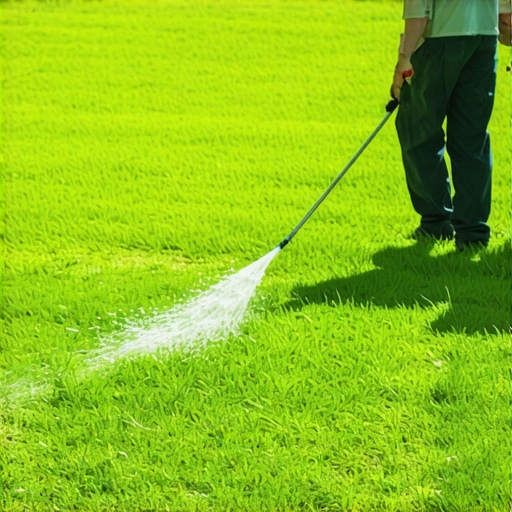
Kill 2026 Bermudagrass Invasion with This $25 Vinegar Recipe
The Bermudagrass Siege: Why Your Lawn is Losing
To kill Bermudagrass using a $25 vinegar recipe, you must deploy 20% horticultural-grade acetic acid mixed with a surfactant and salt to achieve a rapid desiccation of the leaf tissue. This organic herbicide strategy works by stripping the waxy cuticle from the Cynodon dactylon blades, leading to total moisture loss and plant death in high-heat conditions. You are likely seeing the wiry, aggressive creep of stolons across your flower beds. It looks like a slow-motion green explosion. This isn’t just a weed; it is a biological invader with a subterranean survival kit. Most homeowners treat the surface and wonder why the grass returns three weeks later. It is because they do not understand the rhizome system. A homeowner called me in a panic last August after they completely torched their front lawn by applying a 10% vinegar mix they found on a mommy-blog, followed by heavy watering. They didn’t kill the Bermudagrass; they just fertilized it and killed their expensive Fescue instead. The soil was a chemical nightmare of high salinity and skewed pH. I had to explain that if you don’t understand the chemistry, you’re just throwing money into the dirt.
Will vinegar kill bermudagrass roots permanently?
Vinegar is a contact herbicide, meaning it only kills the green tissue it touches; to kill the rhizomes permanently, you must apply the solution repeatedly during the active growth phase to starve the root system of photosynthetic energy. One spray will not suffice for established 2026-grade infestations.
The $25 High-Acidity Recipe and Material Breakdown
The $25 Bermudagrass vinegar recipe consists of one gallon of 20% horticultural vinegar, one cup of table salt, and two tablespoons of liquid dish soap acting as a surfactant to ensure the acid sticks to the vertical grass blades. Avoid standard 5% grocery store vinegar; it lacks the titratable acidity necessary to rupture the cellular walls of C4 grasses. You need the heavy stuff. Here is the cost and material breakdown for a standard 1,000 square foot targeted application:
| Material | Quantity | Estimated Cost | Purpose |
|---|---|---|---|
| Horticultural Vinegar (20%) | 1 Gallon | $18.00 | Active caustic agent |
| Iodized or Sea Salt | 1 lb Bag | $1.50 | Soil desiccant / Osmotic stress |
| Dish Soap (Surfactant) | Small Bottle | $2.00 | Breaking surface tension |
| Pump Sprayer (Pro-rated) | 1 Unit | $3.50 | Application delivery |
“The success of organic acids in weed control is directly proportional to the concentration of the acid and the developmental stage of the target plant; younger plants with thinner cuticles succumb more readily.” – Agricultural Extension Agronomy Manual
How much modified gravel do I need for a patio base?
While discussing hardscaping, you typically need 4 to 6 inches of compacted 21A or CR-6 modified gravel to provide a stable foundation that prevents hydrostatic pressure from shifting your pavers. Do not skip the plate compactor phase. It will fail. Every time. Proper compaction is the difference between a patio and a pile of expensive rocks.
The Biological Reality of C4 Grass Infestations
Bermudagrass is a C4 perennial, which means it thrives in the 100-degree heat that kills your cool-season grasses. Its rhizomes can dive six inches deep. If you leave a single node—a tiny half-inch piece of root—in the soil, the plant clones itself and returns. The acetic acid in your vinegar recipe causes an immediate ionic imbalance within the plant cells. It is a chemical burn. It is brutal. It works. But you have to be precise.
- Timing: Spray only when the sun is at its peak. Acetic acid needs UV light and heat to accelerate tissue breakdown.
- Saturation: Do not just mist the leaves. The stolons must be drenched.
- Persistence: Check the site 48 hours later. If you see green, spray again.
- Protection: This mix is non-selective. It will kill your prize roses or your Bluegrass. Use a cardboard shield.
The Forensic Autopsy of a Failed Herbicide Treatment
I see it every year. A guy buys a gallon of vinegar, sprays his lawn on a cloudy day, and then gets mad when the Bermudagrass looks better a week later. The failure happens because of surface tension. Grass blades are designed to shed water. Without the surfactant (the soap), your vinegar just beads up and rolls off into the soil, where it actually gets diluted and neutralized. You must use a pump sprayer with a fine mist setting.
“A retaining wall doesn’t fail because of the stone; it fails because of the water trapped behind it, just as a herbicide fails not because of the chemical, but because of improper delivery to the plant’s vascular system.” – Hardscape Engineering Axiom
The soil pH will temporarily drop in the application zone. This is good for killing the weed, but bad for the soil microbiology. Once the Bermudagrass is brown and brittle, you must physically remove the dead mats. Do not leave them. They act as a nitrogen-rich mulch for the surviving rhizomes below. Dig them out. Go deep. If you find a white, fleshy root, that is the enemy. It must be extracted.
Rebuilding the Soil After the Kill
Once the Bermudagrass invasion is neutralized, your soil will be acidic and salty. You cannot just throw seed down. You need to buffer the pH using pelletized lime and flush the area with water to move the sodium through the soil profile. If you are in a heavy clay region, the salt will linger longer. Check your cation exchange capacity (CEC). A high CEC means your soil holds onto those ions tightly. You might need to add gypsum to help break up the clay and displace the sodium.
How to apply the vinegar recipe for maximum effect:
- Mow the Bermudagrass as low as possible (scalping) to stress the plant and expose the stems.
- Mix the 20% vinegar, salt, and soap in a clean 1-gallon sprayer. Do not dilute with water.
- Apply during a 48-hour window with zero rain forecast and temperatures above 85 degrees.
- Saturate the crown of the plant where the stolons meet the soil.
- Wait 72 hours, then rake out the dead debris.
- Repeat every 10 days until no new green shoots appear from the soil.
Maintenance is the only way to stay ahead of 2026-level growth. Bermudagrass never truly sleeps; it only waits for you to get lazy with your lawn care routine. Stay aggressive. Check your fence lines. That is where the invasion starts. If your neighbor has a Bermudagrass lawn, you need to install a physical root barrier at least 8 inches deep or you will be doing this every single summer. Don’t be the guy who thinks a $25 bottle of vinegar is a one-time fix. It is a tool in a long-term war.
![Fix Your 2026 Brown Bermuda Grass [3 Steps]](https://lawnmajesty.com/wp-content/uploads/2026/06/Fix-Your-2026-Brown-Bermuda-Grass-3-Steps.jpeg)