Stop 2026 Lawn Patchiness with This $30 Seed Hack
The Anatomy of a Dying Lawn: A Forensic Autopsy
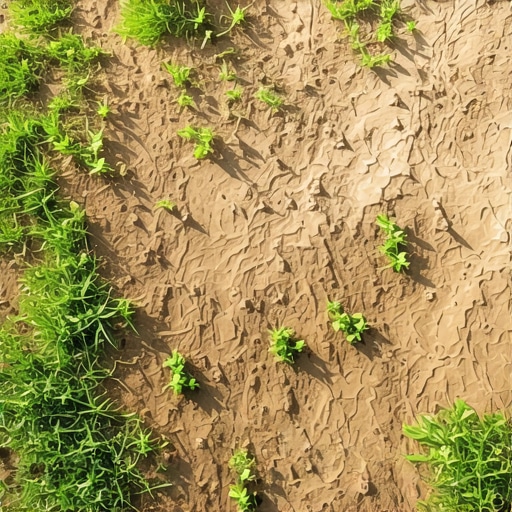
Lawn patchiness usually stems from anaerobic soil compaction, improper cultivar selection, or nutrient lockout caused by high soil pH levels. These factors prevent deep root penetration, leaving the grass vulnerable to heat stress and fungal pathogens that manifest as brown, thinning patches in early spring. Most homeowners see a brown spot and dump water on it. This is a mistake. You are likely drowning the roots and inviting Pythium blight. I have walked onto hundreds of properties where the ground felt like a wet sponge but the grass was dying of thirst because the soil was too compacted for the water to actually reach the root zone. It is a structural failure of the soil, not a lack of resources.
A homeowner called me in a panic after they completely torched their front lawn by applying a high-nitrogen ‘turf builder’ during a record-breaking July heatwave. They thought more food would help the grass survive the heat. Instead, they caused a massive chemical burn because the urea nitrogen couldn’t be processed by the dormant plants, leading to a salt buildup that desiccated the root crowns. We had to strip three inches of topsoil and start over. That $50 bag of fertilizer ended up costing them $6,000 in remediation. This is why you must understand the chemistry before you pull the trigger on any lawn application. If the soil pH is above 7.2, your grass cannot even ‘eat’ the iron and nitrogen you are feeding it. You are literally throwing money into the dirt.
“A soil test is the only way to determine the actual nutrient needs of a lawn; without it, any application of fertilizer is merely guesswork that can lead to nutrient runoff and plant toxicity.” – Penn State Center for Turfgrass Science
The $30 Seed Hack: Professional Grade Dormant Seeding
The secret to stopping 2026 patchiness starts in late 2025 with a $30 investment in certified Blue Tag seed and a hand-operated garden rake. Most ‘patch repair’ kits from big-box stores are 50% mulch and contains ‘filler’ seeds or weed-heavy mixtures. Instead, you need to purchase five pounds of a high-tiller-density cultivar like a 4th-generation Turf Type Tall Fescue (TTTF) with 0.0% weed seed on the label. This hack involves dormant seeding in late winter. When the ground freezes and thaws, it creates microscopic cracks in the soil. By throwing down high-quality seed during this period, the soil ‘heaves’ and pulls the seed into the perfect depth for germination the moment the ground hits 55 degrees in the spring.
| Feature | Big Box ‘Patch’ Mix | Professional Blue Tag Seed |
|---|---|---|
| Weed Seed Content | 0.5% to 1.0% | 0.0% (Zero) |
| Germination Rate | 70-80% | 90-95% |
| Filler/Mulch | Up to 50% | 0% |
| Genetic Resistance | Generic/Unknown | Specific (Brown Patch Resistant) |
How much seed do I need for a patchy lawn?
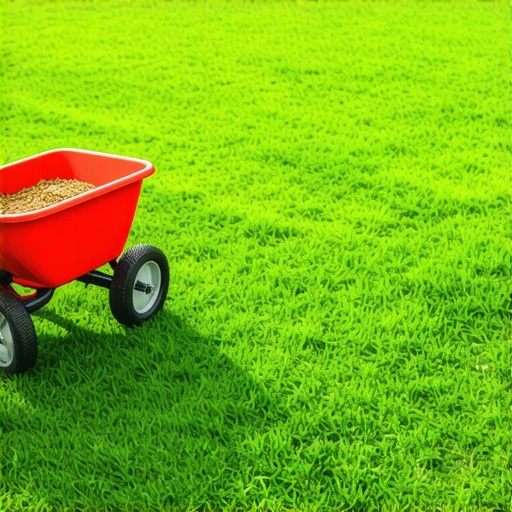
To calculate your seed needs, measure the total square footage of the bare areas and apply at a rate of 8 to 10 pounds per 1,000 square feet for over-seeding. Do not exceed this rate. If you crowd the seedlings, they will compete for oxygen and nutrients, leading to ‘damping off’ fungus. I see this constantly with DIYers. They think more is better. It isn’t. It is about seed-to-soil contact. You want exactly 15 to 20 seeds per square inch. Anything more is a waste of your $30. Use a calibrated hand spreader to ensure even distribution. If you see piles of seed, you have already failed the installation phase.
The Forensic Recovery Checklist
- Perform a Screwdriver Test: If you cannot easily push a 6-inch screwdriver into the soil, your compaction is too high for seed survival.
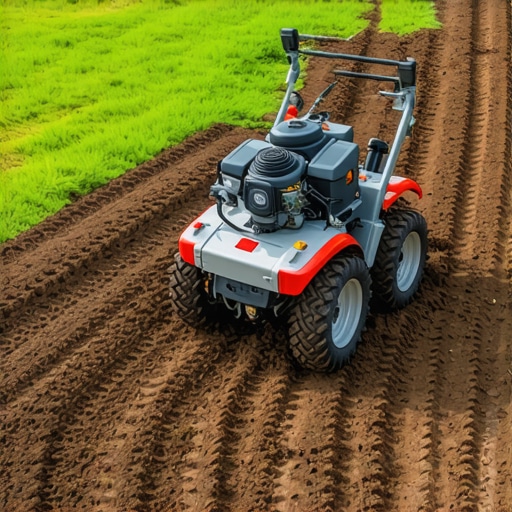
- Check the Thatch Layer: Use a spade to cut a wedge. If the brown spongy layer between the grass and soil is thicker than 0.5 inches, you must power-rake before seeding.
- Calibrate Soil pH: Apply pelletized lime if your pH is below 6.0, or elemental sulfur if it is above 7.0.
- Select the Right Cultivar: Ensure the seed is rated for your specific USDA Hardiness Zone and sunlight exposure (hours of direct sun).
“Soil structure determines nutrient bioavailability; if the Cation Exchange Capacity (CEC) is low, your turf will remain stunted regardless of fertilizer volume.” – Agronomy Manual v.4
Why is my grass dying in the same spot every year?
Repeated patchiness in the same location usually indicates a subsurface obstruction or a fungal reservoir in the soil. Dig down six inches in the failing area. I often find buried construction debris, such as bricks or leftover concrete from the home’s original build, which reflects heat and limits root depth. If the soil is clear, you likely have a localized patch of Necrotic Ring Spot or Summer Patch. In these cases, your $30 hack must include a resistant cultivar of Kentucky Bluegrass or a high-end Perennial Ryegrass that has been bred for fungal immunity. Don’t just plant the same grass that died last year. That is the definition of horticultural insanity.
The Maintenance Protocol for 2026 Success
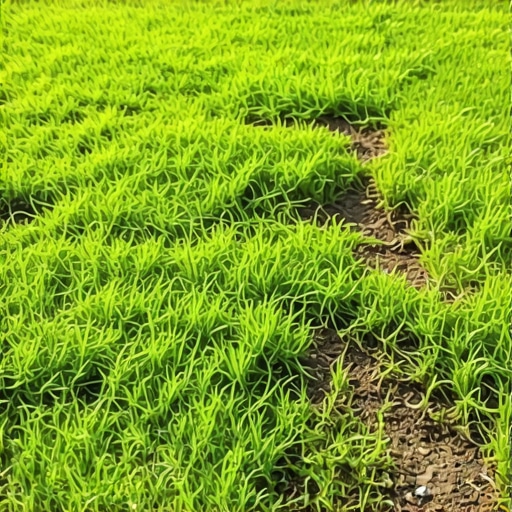
Once your new seed germinates in March 2026, do not scalp it. Set your mower to its highest setting, usually 3.5 to 4 inches. This allows the grass blades to shade the soil, reducing evaporation and preventing weed seeds from getting the light they need to germinate. Deep, infrequent watering is the final step. You want to provide one inch of water per week in a single session. This forces the roots to grow downward in search of moisture. Frequent light misting creates shallow roots that will fry the moment the first heatwave hits in June. Keep your blades sharp. A dull blade tears the grass, creating an open wound for pathogens to enter. It is a simple fix. Sharpen your blades twice a season. Your lawn will thank you with density that chokes out every weed in the neighborhood.