Stop 2026 Lawn Scalping with Mower Deck Leveling
The High Cost of an Uneven Cut
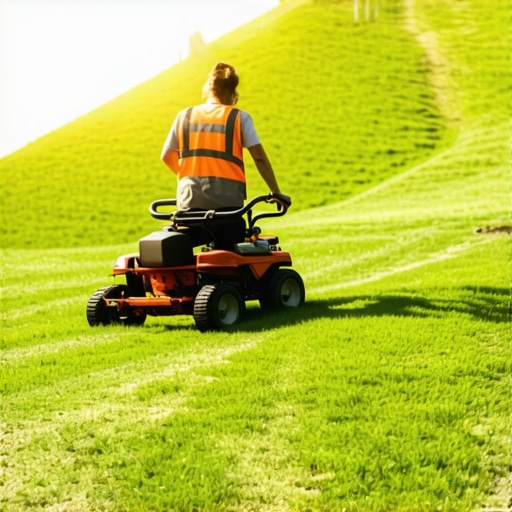
I always drill into my new crew members: if you don’t fix the soil grading first, every plant you put in the ground is just expensive compost. But even with a perfect grade, a mower deck that is out of level by a mere quarter-inch will destroy a high-end stand of Kentucky Bluegrass in a single afternoon. I recently watched an apprentice take a zero-turn across a client’s newly established turf. Within minutes, the deck dipped on a slight turn, scalping the grass down to the soil. We didn’t just lose the aesthetic; we exposed the apical meristem of the plant to direct solar radiation, effectively cooking the crown. This isn’t just about ‘looking neat.’ It is about mechanical precision meeting biological necessity. If your mower deck is uneven, you are not maintaining a lawn; you are performing a slow-motion excavation of your property’s value.
What causes lawn scalping and how to identify it?
Lawn scalping is the unintentional removal of too much leaf blade, often exposing the brown stems or soil. This occurs when the mower deck is not level, the blade height is set too low for the topography, or the tire pressure is inconsistent across the machine. You will see it as brown patches or ‘shaved’ spots on high points of your yard. It is a death sentence for turf health. When you scalp, you remove the photosynthetic factory of the grass plant. Without those blades, the root system begins to starve. This is where weeds like crabgrass and nutsedge find their opening. They don’t need much light to germinate, and a scalped lawn gives them a wide-open door.
“Mowing at the correct height is the single most important practice in maintaining a healthy lawn. Scalping removes the primary food-producing part of the plant, forcing it to use stored energy to recover rather than develop deep roots.” – Texas A&M AgriLife Extension
Why is mower deck pitch critical?
Most homeowners and low-end ‘mow-and-blow’ contractors think the deck should be perfectly level from front to back. They are wrong. A mower deck requires a ‘pitch’ or ‘rake,’ typically where the front is 1/4 inch to 1/2 inch lower than the rear. This allows the blade to cut the grass once. If the deck is level or the back is lower, the blade hits the grass at the front and then again at the back, which is called ‘double cutting.’ This uses more fuel, dulls the blades faster, and creates a vacuum seal that prevents the grass from standing upright. The result is a ragged, uneven finish that looks like it was chewed off rather than sliced.
How much modified gravel do I need for a mower testing pad?
To accurately level a mower deck, you need a perfectly flat surface. Using a gravel-based pad is a professional standard. For a standard 10-foot by 10-foot testing area, you should use approximately 1.5 to 2 tons of #21A modified crushed stone, compacted in 2-inch lifts to ensure zero settling. This provides the stability needed to measure blade tip height accurately to within 1/16th of an inch. Don’t skip the compaction. If the pad isn’t stable, your measurements are garbage.
The Engineering Checklist for Deck Calibration
Before you touch a single adjustment nut, you must address the variables that affect the deck’s orientation. Most ‘leveling’ attempts fail because the technician ignores the foundation of the machine: the tires. Air pressure is the most common culprit for an uneven cut. Even a 2 PSI difference between the left and right rear tires will tilt the deck enough to cause a visible ridge in your lawn.
| Component | Target Specification | Impact on Cut Quality |
|---|---|---|
| Tire Pressure | Equal PSI (usually 12-15 PSI) | Directly controls deck height and tilt |
| Blade Sharpness | 0.010-inch edge thickness | Prevents tearing and disease entry |
| Deck Pitch (Rake) | 1/4″ lower in front | Ensures single-pass cutting and airflow |
| Spindle Run-out | Less than 0.005 inches | Prevents vibration and ‘stepping’ of the cut |
Once your tires are balanced, you must check the blade tips. I don’t care if your deck shell looks level. You need to measure from the actual blade tip to the ground. Turn the blades so they are perpendicular to the direction of travel. Measure the outer tip of both the left and right blades. They should be identical. Then, turn the blades so they are parallel to the direction of travel and check your 1/4 inch front-to-back rake. Adjust the lift rods accordingly. It is tedious work. Do it anyway.
“Soil compaction and poor grading significantly increase the risk of scalping. A mower deck cannot compensate for a yard that has more dips than a golf course bunker.” – Penn State Center for Turfgrass Science
How do I stop my mower from scalping on hills?
If you are scalping on slopes, the issue is likely a combination of deck width and anti-scalp wheel settings. On undulating terrain, a 60-inch deck is a liability; it is too wide to follow the contours. You need to set your anti-scalp wheels so they sit 1/4 to 1/2 inch off the ground on a flat surface. They are not training wheels. They should only touch the ground when the mower encounters a high spot. If they are constantly rolling, they will wear out, and your cut will be uneven.
- Check tire pressure before every third mow.
- Sharpen blades every 10-15 hours of operation.
- Inspect deck hangers for worn bushings or bent pins.
- Clean the underside of the deck to maintain airflow.
- Never mow wet grass; it clumps and weighs down the deck.
The Biological Consequences of Mechanical Failure
When you scalp a lawn due to a poorly leveled deck, you are performing a botanical autopsy in real-time. Turfgrasses like Tall Fescue or Kentucky Bluegrass have a specific height range where they thrive. Forcing them below 2 inches through scalping removes the shade that protects the soil from drying out. High soil temperatures kill beneficial microbes. The earth bakes. The grass goes dormant or dies. You have effectively reset the ecological clock in favor of weeds. Don’t be the guy who spends $5,000 on fertilizer only to kill the lawn with a $15 adjustment mistake. Level the deck. Respect the biology. Cut it right.