
Stop 2026 Lawn Thatch Build-up with Proper Mowing
Preventing 2026 Lawn Thatch Accumulation Through Precision Agronomy
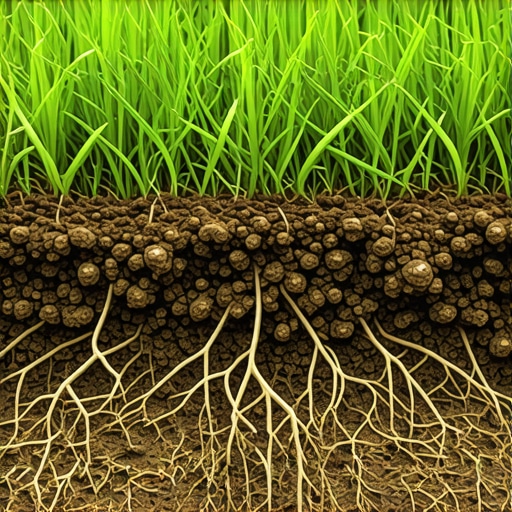
Lawn thatch is a tightly intermingled layer of living and dead stems, leaves, and roots that accumulates between the layer of green vegetation and the soil surface, primarily caused by an imbalance between organic matter production and decomposition. To prevent a crisis in 2026, homeowners must manage soil microbiology and mowing frequency today.
I always drill into my new crew members: if you don’t fix the soil grading and understand the biological decay process first, every seed you put in the ground is just expensive bird food. I’ve seen guys spend thousands on high-end garden design only to watch the turf suffocate because they ignored the profile of the soil. Thatch isn’t just ‘dead grass.’ It is a structural barrier. When it exceeds 0.5 inches, it acts like a thatched roof, shedding water away from the roots and harboring pathogens that will decimate a lawn by the time the 2026 growing season hits. We are looking at a biological failure where the rate of lateral shoot growth outpaces the soil’s ability to digest lignin and cellulose. This isn’t a job for a ‘mow-and-blow’ hack who scalps the yard once a week. This requires a forensic approach to lawn care.
The Engineering of the Cut: Why Mowing Height Dictates Thatch Density
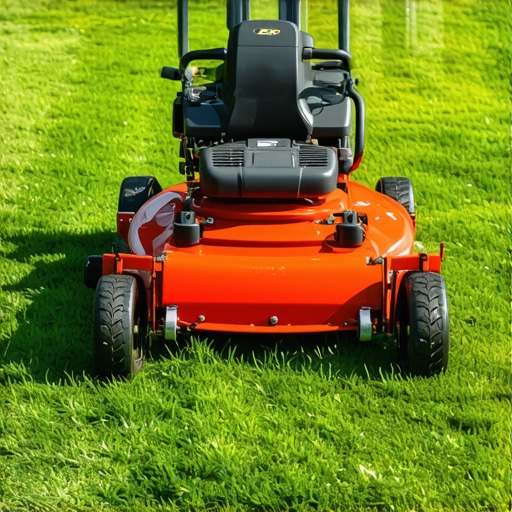
Mowing height directly influences the lignin content of the turf canopy, where shorter, frequent cuts promote upright growth and reduce the accumulation of horizontal stolons that form the backbone of a thatch layer. Maintaining a height of 3 to 4 inches for cool-season grasses ensures photosynthetic efficiency without triggering stress-induced organic buildup.
When you scalp a lawn, you are forcing the plant to go into a frantic recovery mode. This stress triggers the production of more lateral stems. In the landscaping industry, we see this constantly: homeowners think they are saving time by cutting short. They aren’t. They are building a sponge. A thick thatch layer increases hydrostatic pressure issues during heavy rains, as the water sits in the organic mat rather than infiltrating the subsoil. If your mower blades are dull, you are tearing the grass, not cutting it. Ragged edges increase the surface area for pathogens and slow down the plant’s ability to recover, leading to more dead tissue dropping into the crown. You need a clean, surgical shear. It’s physics. High blade tip speed and sharp steel are non-negotiable for 2026 prep.
“Thatch accumulation occurs when the rate of shoot growth exceeds the rate at which dead organic matter is decomposed by soil microorganisms.” – Penn State Center for Turfgrass Science
How much thatch is too much for a healthy lawn?
Any thatch layer exceeding 0.5 inches is detrimental as it prevents gas exchange between the atmosphere and the root zone. You can measure this by taking a 4-inch deep soil core. If the spongy brown layer between the blades and the dirt is thicker than your thumbnail, your lawn care regimen is failing. High thatch levels also lead to ‘localized dry spots’ where the organic matter becomes hydrophobic, meaning it literally repels water.
| Mowing Practice | Thatch Impact | Nutrient Retention | Recommended Frequency |
|---|---|---|---|
| Mulching (Sharp Blade) | Low (Increases Microbes) | High (Returns Nitrogen) | Every 4-5 days |
| Bagging | Neutral | Low (Removes Nutrients) | Weekly |
| Scalping (Short Cut) | Extremely High | Low | Not Recommended |
| Dull Blade Tearing | High (Pathogen Risk) | Medium | Every 5-7 days |
Does mulching grass clippings cause thatch?
No, mulching grass clippings does not cause thatch because clippings are 85 to 90 percent water and break down rapidly; however, clippings can contribute to an existing thatch problem if soil pH is too acidic to support the bacteria that decompose them. If your soil is below 6.0 pH, those clippings just sit there. They don’t rot. They mummify. In garden design, we often balance soil chemistry using pelletized lime to ensure the nitrogen cycle stays active. If the microbes are asleep, the thatch wins. Don’t blame the mulching blade; blame the soil chemistry.
The Microbiological Warfare Against Lignin
To stop thatch build-up for the 2026 season, you must cultivate a rhizosphere rich in actinomycetes and fungi that specifically target and break down the complex polymers found in grass stems. This involves avoiding excessive synthetic nitrogen which kills off beneficial soil life and leads to rapid, weak top-growth. Use organic-based fertilizers that feed the soil, not just the plant.
We also need to talk about hardscaping. People forget that a massive concrete patio or a poorly engineered retaining wall affects the drainage of the adjacent turf. If water pools against the edge of your hardscaping, that soil becomes anaerobic. In anaerobic conditions, the ‘good’ microbes die, and the ‘bad’ ones take over. Thatch will explode in these wet, sour areas. I’ve torn out $30,000 patios because the soil grading sent all the runoff into the middle of the lawn, turning the turf into a peat bog. Fix the grade. Ensure a 2% slope away from the house and the primary turf zones.
“Proper irrigation is the most important cultural practice for managing thatch, as saturated soils lack the oxygen required for microbial decomposition.” – Texas A&M Agrilife Extension
The 2026 Preventive Checklist
- Sharpen mower blades every 10-12 hours of use to ensure clean vascular cuts.
- Core aerate in the fall of 2025 to introduce oxygen and microbes into the thatch layer.
- Maintain soil pH between 6.5 and 7.0 to optimize microbial ‘digestion’ of organic matter.
- Follow the ‘One-Third Rule’: never remove more than 1/3 of the grass blade height in a single session.
- Monitor irrigation to provide 1 inch of water per week in a single, deep application to force roots downward.
Thatch is a symptom of a lazy ecosystem. If you are spoon-feeding your lawn cheap, high-salt fertilizers and cutting it with a dull blade, you are creating a graveyard of organic matter. By 2026, that graveyard will be so thick you’ll be able to peel your lawn up like a carpet. Stop it now. Focus on the biology. Focus on the chemistry. Cut it high, cut it sharp, and keep the air moving through the soil profile. It’s not magic; it’s engineering.
![Why Your 2026 Fescue Needs Lime [Soil pH Guide]](https://lawnmajesty.com/wp-content/uploads/2026/05/Why-Your-2026-Fescue-Needs-Lime-Soil-pH-Guide.jpeg)
![Stop 2026 Slut Seeding Mistakes [Better Germination]](https://lawnmajesty.com/wp-content/uploads/2026/07/Stop-2026-Slut-Seeding-Mistakes-Better-Germination.jpeg)
![Stop 2026 Grass Growth in Your Paver Patios [Fix]](https://lawnmajesty.com/wp-content/uploads/2026/07/Stop-2026-Grass-Growth-in-Your-Paver-Patios-Fix.jpeg)