Stop 2026 Mosquitoes with These 3 Water Plants
The Biology of Stagnant Water and Mosquito Larval Cycles
Mosquitoes breed in stagnant water where surface tension remains unbroken and organic decay provides nutrients for larvae. By introducing specific water plants, you disrupt the 7-to-10-day lifecycle through physical surface coverage, biological competition for nitrogen, and the attraction of natural predators like dragonflies that hunt in aquatic environments.
I always drill into my new crew members: if you don’t fix the soil grading first, every plant you put in the ground is just expensive compost. It is the same with water features. I have seen guys install 500-gallon ponds without a single thought for the water chemistry or the biological load. Within two weeks, the client has a 500-gallon petri dish for Aedes aegypti and Culex mosquitoes. You can’t just dig a hole and hope for the best. You have to engineer an ecosystem. If you don’t understand that water is a living medium, you are just a gardener with a wet shovel. Mosquito larvae use a specialized siphon to breathe through the water’s surface tension, which is roughly 72 dynes per centimeter. If you disrupt that surface with plants or move the water with biology, you stop the next generation before they take flight in 2026. Don’t skip the science. It will fail.
How to keep stagnant water mosquito-free without chemicals?
Maintaining a mosquito-free pond requires a multi-pronged biological approach: use surface-covering plants to block egg-laying, submerged oxygenators to starve larvae of nutrients, and marginal plants that attract predatory insects. Maintaining a pH between 6.5 and 7.5 and ensuring zero nitrate spikes will keep the ecosystem stable and inhospitable to pests.
“Mosquito larvae require stagnant water with organic debris to survive; any disruption in water surface tension or increase in predatory biodiversity significantly reduces population density.” – University Extension Agronomy Manual
Plant 1: Water Lilies (Nymphaea) for Surface Obstruction
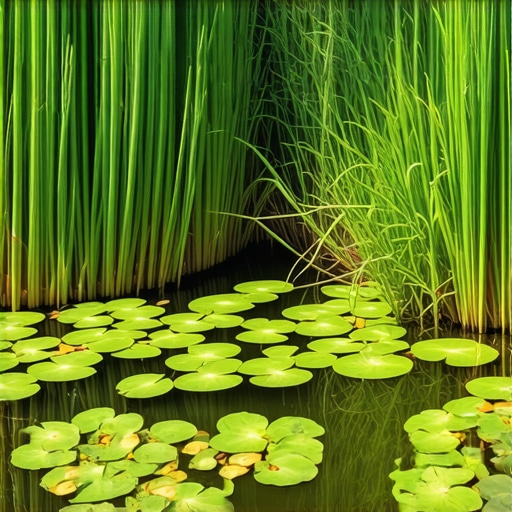
Water Lilies mitigate mosquito breeding by covering 60-70% of the pond surface, which physically prevents female mosquitoes from accessing the water to deposit eggs. The shade provided by the broad leaves also lowers water temperature, slowing larval development and providing cover for fish that consume larvae. For maximum efficacy, these should be planted in 12-to-24-inch depths. If you leave the water wide open, you are inviting an infestation. These plants are the heavy armor of your pond. They block the light that algae need to grow, and without algae, larvae have no food. We typically use 10-ounce fabric pots with a heavy clay-based soil. Avoid standard potting mix; the peat will float and create a mess. You need a substrate with a density that keeps the rhizome anchored. Use one fertilizer spike (10-26-10) per month during the growing season. If the leaves start to yellow, your nitrogen levels are off. Check it. Fix it.
Plant 2: Hornwort (Ceratophyllum demersum) as a Nutrient Competitor
Hornwort is a submerged aquatic plant that acts as a powerful oxygenator, stripping excess nitrogen and phosphorus from the water column. This biological filtration starves the algae and microorganisms that mosquito larvae depend on for food, effectively arresting their development through nutrient competition. This plant does not even need roots. It just floats in the water column and eats. I have seen Hornwort grow four inches in a single week during a July heatwave. It is a workhorse. It secretes allelopathic chemicals that inhibit the growth of blue-green algae. If you have clear water, you have fewer mosquitoes. It is that simple. We recommend one bunch of Hornwort for every 10 square feet of pond surface area. It will grow fast. Thin it out every few weeks so it doesn’t choke the pond. It is a tool, use it.
How much modified gravel do I need for a pond base?
For a standard ornamental pond, you need a 2-inch layer of washed pea gravel or 3/4-inch crushed stone over the liner to protect it from UV degradation and provide a surface for beneficial bacteria to colonize. Calculate the square footage of your pond floor and multiply by 0.16 to get the cubic footage of gravel required.
Plant 3: Pickerelweed (Pontederia cordata) for Predator Recruitment
Pickerelweed functions as a biological landing pad for Odonata species, specifically dragonflies and damselflies, which are the primary aerial predators of adult mosquitoes. These plants provide the necessary vertical structure for dragonfly larvae to emerge from the water and transition into their predatory adult phase. You need these on the margins. Plant them in 2 to 6 inches of water. They have thick, rhizomatous roots that stabilize the pond edge. This is engineering. If your edges are soft, they erode, and shallow, muddy puddles are where mosquitoes thrive. Pickerelweed prevents this. It creates a hard boundary. A dragonfly can eat 100 mosquitoes a day. If you don’t have Pickerelweed, you don’t have dragonflies. You are losing the war before it starts.
“Effective mosquito management in ornamental ponds relies on biological controls rather than chemical intervention to maintain the delicate pH balance between 6.5 and 7.5.” – Hardscape Engineering Axiom
| Plant Name | Root Type | Optimal Depth (Inches) | Mosquito Mitigation Method |
|---|---|---|---|
| Water Lily | Tuberous | 12-24 | Surface Coverage |
| Hornwort | Submerged | Floating | Nutrient Competition |
| Pickerelweed | Rhizomatous | 2-6 | Predator Attraction |
- Maintain 60% surface coverage with floating leaves.
- Test water pH weekly; aim for 7.0 for optimal plant health.
- Remove decaying organic matter every 48 hours to prevent nitrogen spikes.
- Ensure 45-mil EPDM liner is protected by at least 2 inches of substrate.
- Thin oxygenating plants monthly to prevent anaerobic pockets.
The success of a water feature is measured in its stability. If you are constantly dumping chemicals into the water to kill larvae, you have failed as a land manager. You need to build a system where the plants do the heavy lifting. This isn’t about aesthetics; it is about civil engineering and biological warfare against pests. Use the lilies for cover, the hornwort for filtration, and the pickerelweed for the predators. Monitor your water levels. Keep your pump’s GPH (gallons per hour) high enough to turn the water over every two hours if you aren’t using enough plants. But with these three, you won’t need to over-engineer the pump. The biology will hold the line. Get to work.