Stop 2026 Nitrogen Loss: Why You Need Clover Lawns
The Bio-Mechanical Failure of the Modern Lawn
Your lawn looks like parched straw because the soil is biologically bankrupt, and the synthetic cycle you are trapped in is failing by design. A nitrogen-starved lawn manifests as yellowing blades and thinning patches because monoculture turf grass cannot sequester atmospheric nitrogen independently, leading to a total reliance on high-salt synthetic fertilizers that eventually kill soil microbiology. By integrating clover (Trifolium repens), you introduce nitrogen-fixing bacteria that convert atmospheric N2 into plant-available ammonium, effectively building a self-fertilizing engine into your landscape. Most homeowners are essentially trying to keep a patient on life support with IV drips of urea while the underlying circulatory system—the soil—is dead. I see this every day. This is not about aesthetics; it is about the engineering reality of soil chemistry and the impending 2026 shifts in nitrogen management. If you don’t fix the nitrogen cycle now, you are just throwing money into the gutter.
I recently got called out to a property where the homeowner had spent nearly three thousand dollars on premium sod and a ‘professional’ chemical plan. By late June, the front lawn felt like crunchy plastic under my boots. I pulled a soil core and it was bone dry and grey four inches down. The homeowner had dumped triple the recommended dose of 29-0-5 synthetic fertilizer, thinking more was better. Instead of greening the lawn, they spiked the soil salinity so high that the grass roots underwent osmotic shock. They literally sucked the moisture out of their own roots. The soil biology was non-existent. No earthworms, no beneficial fungi, just dead, salt-crusted dirt. We had to core-aerate, flush the soil with gallons of water, and overseed with white clover just to bring the microbial activity back to a baseline. It was a chemical autopsy of a failed landscape design.
Anatomy of a Nitrogen Leak: Why Synthetic Pellets Fail
The standard 4-step fertilizer program is a scam that ignores the leaching potential of nitrate (NO3-). Synthetic fertilizers provide a massive spike of nitrogen that the grass can’t possibly use all at once. The excess is washed away by irrigation or rain, ending up in the local water table or causing algae blooms in your hardscaping drainage systems. This is where Trifolium repens changes the math. Clover lives in a symbiotic relationship with Rhizobium bacteria. These bacteria colonize the clover’s root system, forming small nodules that act as microscopic fertilizer factories. They take nitrogen gas from the air—which is 78% nitrogen—and turn it into a form the grass can actually eat. This process is slow, steady, and doesn’t wash away in a thunderstorm. You are effectively installing a 24/7 subterranean nutrient delivery system. No more spikes. No more crashes. Just consistent nitrogen availability that keeps the grass blades strong enough to resist heat stress.
“Nitrogen fixation by legumes like clover can contribute between 50 to 150 pounds of nitrogen per acre annually, depending on soil conditions and management. This biological nitrogen is less prone to leaching than synthetic forms.” – Penn State Extension Agronomy Manual
How long does it take for clover to add nitrogen to soil?
Visible results from clover nitrogen fixation typically appear within 60 to 90 days as the root nodules establish. However, the true benefit occurs during the first mow-cycle when nitrogen-rich clover clippings decompose, releasing organic nitrogen back into the soil matrix for the surrounding grass to utilize immediately. This is a perpetual loop. You are not just feeding the plant; you are feeding the soil. If you skip this, you are stuck on the synthetic treadmill forever. Don’t skip this. It’s the difference between a yard that survives a drought and one that turns into a dust bowl.
Comparison: Clover vs. Synthetic Monoculture
| Feature | Traditional Turf (Monoculture) | Clover-Integrated Lawn |
|---|---|---|
| Nitrogen Source | Synthetic Urea (Periodic) | Rhizobium Bacteria (Constant) |
| Root Depth | 2-4 Inches (Shallow) | 8-12 Inches (Deep Taproots) |
| Drought Resistance | Low – Requires 1″ water/week | High – Clover stays green in heat |
| Soil Compaction | Increases over time | Reduces via taproot penetration |
| Chemical Requirement | High (Herbicides/Fertilizers) | Zero to Minimal |
The 2026 Engineering Reality: Water and Runoff
By 2026, we are looking at tighter municipal restrictions on phosphorus and nitrogen runoff. In my lawn care practice, I have already started shifting my high-end clients to ‘micro-clover’ blends to get ahead of these codes. The engineering benefit of clover extends beyond chemistry; it is about soil structure. Clover’s taproots are aggressive. While your Kentucky Bluegrass is struggling in compacted clay, clover roots are punching through, creating channels for oxygen and water to reach deeper into the soil profile. This improves the Cation Exchange Capacity (CEC) of your soil. This isn’t some ‘hippie’ gardening trick; it’s basic soil physics. If your soil is compacted, you have no drainage. If you have no drainage, your hardscaping—your patios and walkways—will eventually shift due to hydrostatic pressure. A healthy, permeable lawn protects your $50,000 patio. It’s all connected.
Is clover lawn better for drainage than grass?
Yes, clover-mixed lawns significantly outperform monoculture turf in drainage tests because clover’s vertical taproots act as natural aerators. These roots penetrate compacted subsoil layers, increasing hydraulic conductivity and allowing heavy rainfall to infiltrate the soil rather than pooling on the surface or undermining nearby hardscaping footings. It is a biological solution to a structural drainage problem. I have seen clover save a backyard from constant puddling where French drains alone failed. It works.
“Structural soil stability in residential landscapes is heavily dependent on the root biomass and the presence of organic matter which prevents subsurface soil migration.” – Hardscape Engineering Axiom
The Installation Protocol: How to Transition
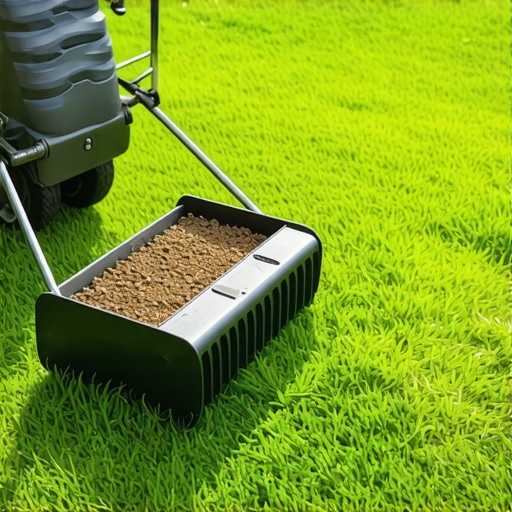
You cannot just throw seeds at a dead lawn and hope for the best. You need a process. First, you have to stop using broadleaf herbicides. Most homeowners are so obsessed with ‘weeds’ that they kill the very clover they need. Clover is not a weed; it is a soil medic. Next, you need to address the pH. If your soil is below 6.0, those nitrogen-fixing bacteria will go dormant. They hate acid. Bring it up to 6.5 or 7.0 with pelletized lime before you even think about seeding. Use a high-quality white clover or micro-clover seed. Avoid the ‘contractor mix’ at the big-box store; it’s full of filler. I use a 1:10 ratio of clover seed to fine-grained sand to ensure an even spread. Use a broadcast spreader and then roll it in. If the seed doesn’t have soil-to-seed contact, it’s just bird food. The tamper should literally bounce off the ground if you’ve prepped it right.
- Step 1: Soil Test. Know your pH and NPK levels before you buy anything.
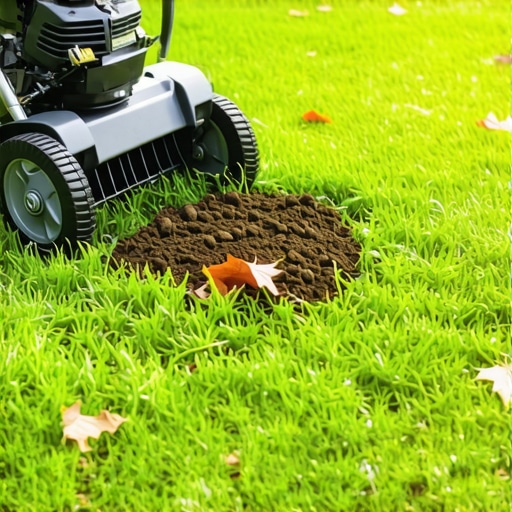
- Step 2: Aerate. Use a core aerator to pull 3-inch plugs. Don’t use those spike shoes; they just compact the soil further.
- Step 3: De-thatch. Remove the dead layer of grass that’s choking the soil.
- Step 4: Broadcast Seeding. Mix 2-4 ounces of clover seed per 1,000 square feet.
- Step 5: Consistent Hydration. Keep the soil surface moist for 14 days. Don’t flood it; just mist it.
Once established, clover is low-maintenance, but it isn’t ‘no-maintenance.’ You still need to mow, but you can set your blade higher—at least 3.5 inches. This shades the soil and keeps the clover roots cool. If you scalp a clover lawn, you’re killing the nitrogen factory. Set the mower high and leave the clippings. Those clippings are free fertilizer. You’ve worked hard for your yard; stop fighting against nature and start using the biology that’s been under your feet the whole time. 2026 is coming, and the guys with the chemical-dependent lawns are going to be left with brown, dead dirt while the clover lawns stay green. It is your choice. Build a system that works for you, not against you.
![Fixing 2026 Patchy Bermuda Grass [Fast Fix]](https://lawnmajesty.com/wp-content/uploads/2026/06/Fixing-2026-Patchy-Bermuda-Grass-Fast-Fix.jpeg)