Stop 2026 Pond Algae with This $40 UV Clarifier
Why Your Pond Looks Like Pea Soup
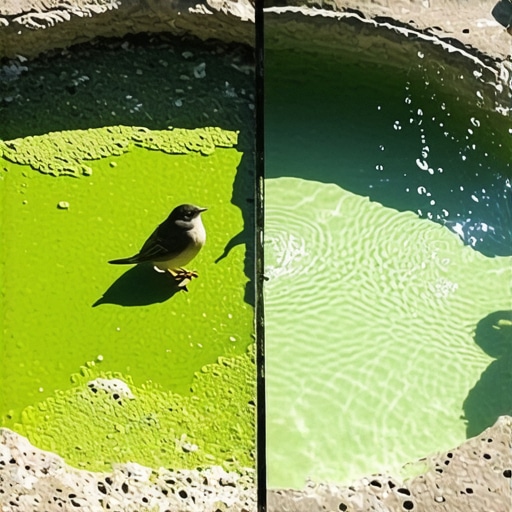
Algae blooms are caused by excessive nutrient loads (phosphorus and nitrogen) combined with high UV exposure, which fuels rapid cellular division in single-celled phytoplankton. This biological imbalance creates a hypoxic environment that starves your pond of oxygen. You must disrupt this cycle at a cellular level using targeted UV-C radiation. Every year, I see homeowners dump hundreds of dollars into copper-based algaecides that only provide a temporary kill-off. That dead algae then sinks to the bottom, rots, and releases more nitrogen, fueling the next bloom. It is a cycle of failure. I always drill into my new crew members: if you do not fix the water chemistry and filtration mechanics first, every expensive koi you put in that water is just living in a liquid grave. Technical wisdom dictates that we stop treating the symptoms and start nuking the DNA of the algae itself. I recall a specific apprentice who thought he could clear a 2,000-gallon pond just by adding more lilies. Within two weeks, the lilies were choked out by string algae. I had to show him that without a UV-C clarifier to snap the DNA chains of the floating particles, the sun would always win that battle. We spent three days dredging muck because he ignored the engineering basics of pond turnover rates. It was a mess.
“The effectiveness of ultraviolet radiation in water treatment depends on the dose of UV-C energy absorbed by the organisms, typically measured in microwatt-seconds per square centimeter.” – Agricultural Water Engineering Handbook
How long does it take for a UV clarifier to clear a pond?
A properly sized UV-C clarifier typically clears a green-water pond within 3 to 7 days, provided the flow rate matches the manufacturer’s specifications. The water must pass slowly enough past the bulb to receive a lethal dose of radiation. If you push the water through too fast, you are just giving the algae a tan. It will survive.
The Mechanics of the $40 UV-C Solution
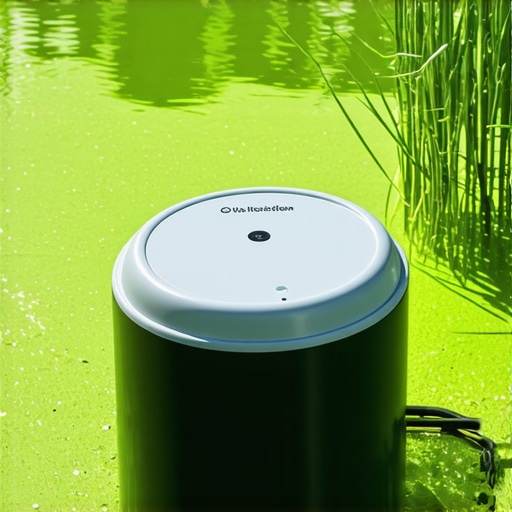
A $40 UV clarifier works by exposing water to 254-nanometer wavelength light, which penetrates the cell walls of suspended algae and permanently alters their genetic material. This prevents the algae from reproducing and causes them to clump together so the mechanical filter can remove them. You do not need a thousand-dollar setup if you understand GPH (Gallons Per Hour) and dwell time. Most budget units are 7-watt to 13-watt systems. For a small backyard feature, a 9-watt unit is sufficient if your pump is not over-driving the quartz sleeve. High-pressure systems often require a bypass valve to divert only a portion of the flow through the UV chamber.
“UV-C sterilization at 254 nm is a proven method for the inactivation of pathogenic microorganisms and the control of planktonic algae in closed aquatic systems.” – ICPI Hardscape & Pond Standards
Where do you place a UV clarifier in a pond system?
The UV clarifier should be installed immediately after the mechanical filter and before the water returns to the pond or waterfall. This ensures the water is clear of large debris that could shade the UV bulb or coat the quartz sleeve with grime. It must be protected from the sun.
Engineering Your Pond Filtration Table
Refer to this data before purchasing any equipment for the 2026 season. Incorrect sizing leads to bulb burnout and wasted electricity.
| Pond Volume (Gallons) | Required UV Wattage | Max Flow Rate (GPH) | Replacement Cycle |
|---|---|---|---|
| 500 – 800 | 9 Watts | 400 GPH | Every 10 months |
| 1,000 – 1,500 | 13 Watts | 700 GPH | Every 8 months |
| 2,000 – 3,000 | 18 Watts | 1,000 GPH | Every 12 months |
The 5-Step Installation Protocol for Algae Control
Installing a budget UV clarifier requires precision to prevent leaks and ensure maximum germicidal efficacy. Do not skip the seal check.
- Inspect the Quartz Sleeve: Ensure there are no hairline fractures from shipping. Even a microscopic crack will short the bulb.
- Calibrate Flow Rate: Use a ball valve to ensure the water stays in the UV chamber for at least 2 seconds.
- Seal the Threads: Use silicone-based lubricant on O-rings, never petroleum-based products which degrade rubber.
- Vertical Orientation: Mount the unit vertically if possible to prevent air pockets from forming around the bulb.
- Grounding: Always use a GFCI outlet. Water and electricity are a lethal combination for the careless contractor.
Maintenance and the 2026 Outlook
By 2026, we expect higher average temperatures which will accelerate algae growth cycles in shallow ponds. A UV bulb loses about 40% of its intensity after 8,000 hours of use. Even if it is still glowing blue, it is likely useless for killing algae. Replace it every spring. If you live in a region with hard water, calcium deposits will build up on the quartz sleeve. This acts as a shield for the algae. You must pull the sleeve and soak it in a mild acid or vinegar solution every three months. Check your pH levels. High alkalinity often correlates with stubborn algae issues. Keep your nitrate levels below 20 ppm. If you don’t, even the best UV unit will struggle to keep up with the bio-load. It is about balance. Clean the pump pre-filter daily during the heat of July. Don’t be lazy. Dirt is the enemy of light. “
![Fixing 2026 Ponds with Murky Water [Filter Hack]](https://lawnmajesty.com/wp-content/uploads/2026/07/Fixing-2026-Ponds-with-Murky-Water-Filter-Hack.jpeg)