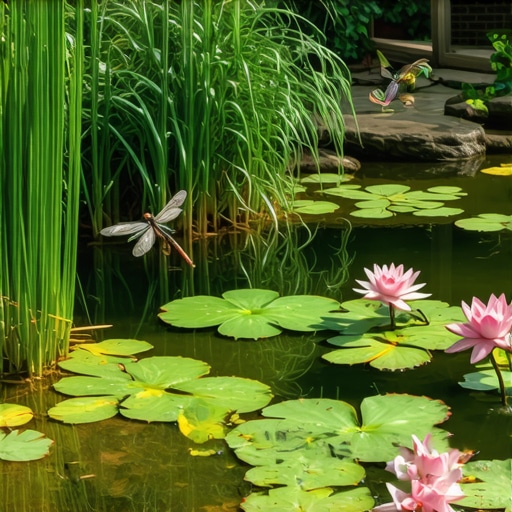
How to Attract Dragonflies to Your Backyard Pond
Designing for Odonata: The Engineering of an Apex Predator Habitat
Attracting dragonflies to a backyard pond requires a precision engineered managed ecosystem that prioritizes the Odonata life cycle from larval development to adult hunting. To succeed, you must provide permanent water sources, diverse aquatic vegetation, and thermal basking sites while maintaining strict water chemistry standards. I always drill into my new crew members: if you don’t fix the soil grading first, every plant you put in the ground is just expensive compost. I’ve seen guys spend five figures on fancy stone and high-end filters, only to have the pond fail because they didn’t understand hydrostatic pressure or biological load. A pond is a living machine. If you want dragonflies, you aren’t just digging a hole; you are building a nursery for some of the most effective aerial hunters on the planet. I recently saw an apprentice try to level a pond edge with loose fill dirt instead of compacted 2A modified gravel. Within three months, the liner shifted, the water level dropped four inches, and the emergent plants died. That dried-out shelf killed an entire generation of nymphs. Don’t be that guy. Understand your site before you touch a shovel.
“A successful aquatic habitat functions as a closed-loop nutrient system where nitrogenous waste is processed by nitrifying bacteria and sequestered by macrophyte growth.” – Penn State Agricultural Extension
How deep should a dragonfly pond be?
A professional grade dragonfly pond should have a variable depth profile ranging from 2 inches at the margins to at least 24 inches in the center to prevent total freeze-through. Graduated shelving is non-negotiable. These shelves allow for a diversity of hydrophytic plants, which are critical for the different stages of the dragonfly life cycle. Most Odonata nymphs require shallow, protected areas with high dissolved oxygen levels and plenty of underwater structure to hide from larger predators. If your pond walls are vertical like a swimming pool, you’ve already failed. You need a 1:3 slope. This prevents liner fatigue and allows wildlife to exit the water safely. I use 45-mil EPDM liners because they handle the freeze-thaw cycles of the northern climates without cracking like the cheap PVC junk you find at big-box stores. Put a 12-ounce non-woven geotextile underlayment beneath it. No exceptions. Rocks and roots will punch through a cheap liner in one season.
The Triple-Tier Vegetation Strategy
Successful dragonfly colonization depends on a stratified planting plan that includes oxygenators, floating-leaved plants, and stiff-stemmed emergent species for larval transition. The dragonflies need the submerged plants for egg-laying and the emergent plants to climb out of the water when they are ready to shed their exuviae and take flight.
| Plant Category | Function | Species Recommendation |
|---|---|---|
| Submerged (Oxygenators) | Nymph habitat and water clarity | Ceratophyllum demersum (Coontail) |
| Floating-Leaved | Oviposition sites and shade | Nymphaea (Hardy Water Lily) |
| Emergent (Marginals) | Transition and hunting perches | Iris versicolor, Juncus effusus |
Avoid the trap of buying “pretty” flowers. You need structural integrity in your plants. I prefer Juncus effusus (Soft Rush) because its stems are rigid enough to support a heavy Anisoptera adult during emergence. If you plant flimsy grasses, they’ll collapse under the weight, and the dragonfly will drown before its wings can harden. This is horticultural engineering, not just garden design.
What plants attract dragonflies best?
The best plants for attracting dragonflies are native emergent species like Pickerelweed (Pontederia cordata) and Arrowhead (Sagittaria latifolia) which provide stable vertical perches for hunting. These plants also serve as the primary site for endophytic oviposition, where certain species of dragonflies cut into the plant tissue to deposit their eggs. You must avoid chemical fertilizers in these zones. High nitrogen runoff leads to eutrophication and filamentous algae blooms that choke out the larvae. If your lawn care routine involves dumping heavy NPK pellets right up to the water’s edge, you’re poisoning your habitat. Use a 10-foot no-mow buffer strip of native grasses around the pond to filter out phosphorus and sediment.
“Dragonfly nymphs are bio-indicators of water quality; their presence suggests low levels of chemical pollutants and high biological oxygen demand.” – Journal of Aquatic Agronomy
Hardscaping for Thermal Regulation and Hunting
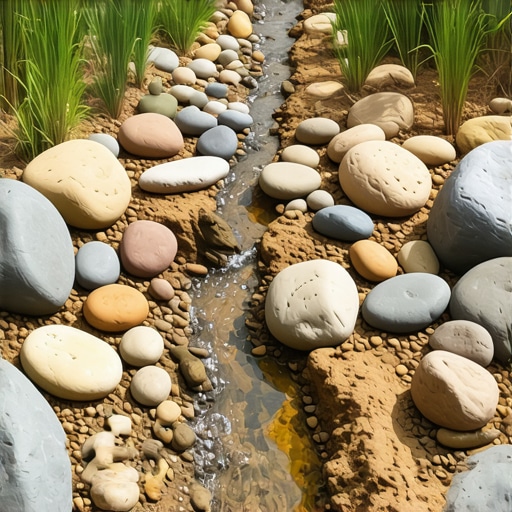
Integrating flat stones and wood snags into the pond design provides essential basking platforms that allow dragonflies to regulate their body temperature. As ectotherms, dragonflies need external heat to reach the metabolic rates required for flight. Place large, dark river rocks or fieldstones on the southern edge of the pond where they will receive maximum solar radiation. I always incorporate a few deadwood branches or “ghost wood” into the margins. These provide 360-degree views for the males to defend their territory. It’s about site lines. A male dragonfly is a fighter pilot; he needs a high-visibility perch to spot rivals and prey. When we do the hardscaping, we use polymeric sand in any nearby paver joints to prevent weed growth from encroaching on the basking areas. Keep the sightlines clear. If the pond is overgrown with invasive brush, the dragonflies won’t have the flight paths they need to hunt mosquitoes effectively.
Checklist for a High-Performance Dragonfly Pond
- Excavate shelves at 6, 12, and 18 inches for plant diversity.
- Install a 45-mil EPDM liner with a heavy-duty underlayment.
- Select native plants: 70% of the pond surface should be covered or planted.
- Add thermal mass: Place flat, dark stones in full sun.
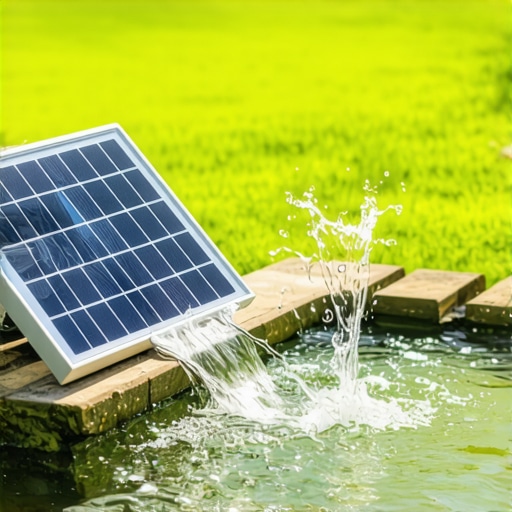
- Avoid total stagnation: Use a small solar bubbler or low-flow waterfall to maintain DO levels without creating high-velocity currents.
- Eliminate fish: If you want maximum dragonfly survival, do not stock Koi or goldfish, as they will eat the nymphs.
The Maintenance Protocol: Protecting the Cycle
Maintaining a dragonfly habitat requires a hands-off approach during the winter and early spring to protect the overwintering larvae buried in the benthos. Do not perform “deep cleans” where you vacuum out the detritus from the bottom of the pond. That muck is where the nymphs live for up to two years. Instead, focus on manual removal of excess string algae and thinning out aggressive rhizomatous plants that might take over the pond. Remember, pest control is done by the dragonflies themselves. They are the biological control for mosquitoes. One dragonfly nymph can eat hundreds of mosquito larvae in a single day. If you see “mud” on your plants, leave it. It might be a nymph preparing to transform. This isn’t a mow-and-blow job; it’s stewardship. Your garden design should be a functional wetland analog, not a sterile plastic bowl. Respect the biological cycle, keep the chemistry clean, and the dragonflies will do the rest.