The best groundcovers for slopes that are hard to mow
The Engineering of Slope Stabilization and Soil Grading
To stabilize a steep slope, you must select deep-rooted groundcovers or creeping woody perennials that provide mechanical reinforcement to the soil structure. These plants prevent surface erosion by slowing water velocity and anchoring the top 12-18 inches of the soil profile while eliminating the hazards of operating machinery on a dangerous incline. I always drill into my new crew members: if you don’t fix the soil grading first, every plant you put in the ground is just expensive compost. You see it on every failed job site: expensive ornamental grasses sitting in a gully of washed-out topsoil because some hack didn’t understand how water moves over a grade. Before you buy a single flat of Vinca or Juniper, you have to look at the physics of the site. A 30-degree slope is a different animal than a flat bed. Gravity is your primary enemy. If your soil pH is off or your compaction is too high, the roots will never penetrate deep enough to hold the hillside together during a five-inch rain event.
“Surface runoff on a 2:1 slope can reach velocities that displace standard mulch within seconds, requiring biological anchors to maintain soil integrity.” – Soil Erosion and Sediment Control Manual
The first step in any slope project is the forensic assessment of the dirt. If you have heavy red clay, you are dealing with a material that expands when wet and creates a slip plane. Sand, on the other hand, lacks the cohesive strength to hold together without significant root mass. We don’t just dig a hole; we create a shelf. Each plant should sit on a small horizontal pocket cut into the slope. This allows water to infiltrate the root zone rather than shedding off the surface. I have seen countless homeowners lose their entire investment because they planted at an angle. The plant thinks it is vertical, the water thinks it is a slide, and the result is a dead plant and a muddy driveway. You need to understand the nitrogen cycle here too. Slopes leach nutrients faster than flat ground. You need a slow-release granular 10-10-10 or 14-14-14 polymer-coated fertilizer to ensure the plant has a steady supply of fuel while it fights to establish its root system in a high-stress environment.
How do you stop soil erosion on a steep bank?
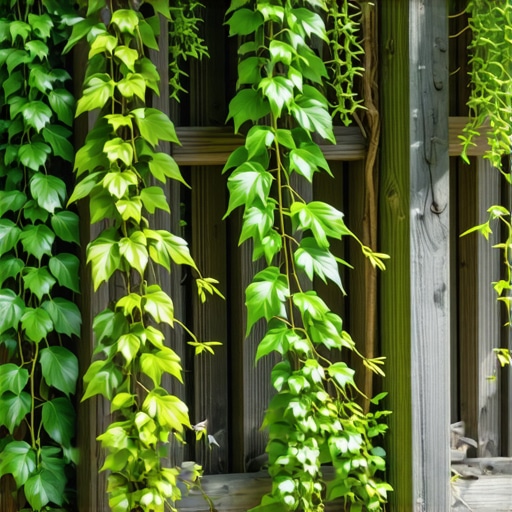
Stopping soil erosion on a steep bank requires the installation of erosion control blankets combined with aggressive rooting groundcovers like Juniperus horizontalis or Creeping Phlox. These materials work in tandem to shield the soil surface from raindrop impact while the fibrous root systems weave a subterranean mat that locks the soil particles in place. [image_placeholder_1] Use a biodegradable coconut coir mat for slopes steeper than 3:1. This matting lasts about 24 months, which is exactly the window you need for your groundcover to achieve 80 percent coverage. Without this mechanical aid, the topsoil—the only part of the hill with any biological activity—will end up at the bottom of the hill after the first thunderstorm. It is pure physics. You are managing kinetic energy.
| Plant Species | Growth Rate | Root Depth | Best Light Condition | Erosion Control Rating |
|---|---|---|---|---|
| Creeping Juniper | Slow | Deep (12-24″) | Full Sun | Excellent |
| Vinca Minor | Moderate | Shallow (4-6″) | Shade/Part Sun | Moderate |
| Creeping Phlox | Fast | Moderate (6-10″) | Full Sun | Good |
| Pachysandra | Moderate | Shallow (4-6″) | Full Shade | Moderate |
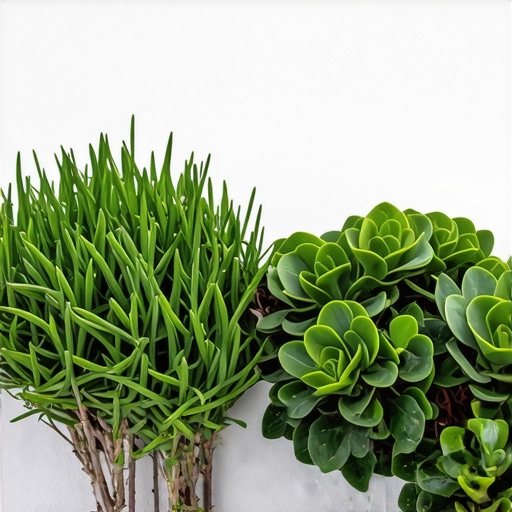
| Sedum (Stonecrop) | Fast | Shallow (3-5″) | Full Sun | Low (Better for runoff) |
What are the best low maintenance ground covers for slopes?
The best low maintenance ground covers for slopes are Creeping Juniper for sunny areas and Pachysandra terminalis for shaded banks because they require zero mowing and possess high drought tolerance once established. For the most rugged environments, Liriope muscari (Big Blue Lilyturf) provides a thick, grass-like appearance with a root system that can withstand significant hydrostatic pressure from uphill water flow. Do not be fooled by the marketing of “no-mow” grass seed mixes. In my experience, these often become a weed-choked mess within three seasons because they lack the canopy density of a true groundcover. True groundcovers are woody or herbaceous perennials that create an interlocking shield. You want a plant that spreads via rhizomes or stolons. This is the difference between a collection of individual plants and a living carpet. If one plant dies, its neighbors fill the void. That is the biological redundancy you need on a slope that is too steep to safely manage with a mower.
The Installation Protocol: Step-by-Step Slope Reclamation
Preparation is eighty percent of the success on a grade. You cannot just clear weeds and plant. You must kill the existing vegetation entirely using a non-selective herbicide or manual stripping. If you leave even a fragment of Bermuda grass or thistle, it will grow through your new groundcover, and you cannot easily weed a 45-degree hill. Once the site is clear, you must address the soil structure. On many slopes, the “soil” is actually just subsoil left over from the home’s construction—compacted, anaerobic, and nutrient-deficient. You must break this crust. Use a pick mattock. Don’t skip this. If you don’t break that compaction, the roots will just circle the hole—root girdling—and the plant will blow over or dry out within a year. It will rot if the water sits in the hole, but on a slope, the bigger risk is the “potted plant effect” where the roots refuse to leave the nice potting soil you added and never venture into the hard clay of the hillside.
“A retaining wall doesn’t fail because of the stone; it fails because of the water trapped behind it, similar to how a slope fails when internal pore pressure exceeds the soil’s shear strength.” – Hardscape Engineering Axiom
When you place your plants, stagger them in a triangular pattern. This forces water to zigzag down the hill rather than forming a straight rill. Every time the water has to turn, it loses energy and drops sediment. This is basic hydraulic engineering. For mulch, stay away from wood chips or pine bark nuggets. They float. On the first big rain, they will be in the street. Use shredded hardwood mulch. The fibers interlock like Velcro and stay put on a slope. Apply it three inches deep, but keep it away from the crown of the plant. A mulch volcano around a juniper is a death sentence; it holds too much moisture against the stem and invites fungal pathogens. It is a precise balance: you need enough mulch to suppress weeds and hold moisture, but not so much that you suffocate the plant’s root flare. This is where the amateurs fail. They dump mulch to make it look finished, but they are just setting a timer for root rot.
- Phase 1: Clear all existing weeds and debris manually or with systemic herbicide.
- Phase 2: Assess soil pH and amend with lime or sulfur based on species requirements.
- Phase 3: Install erosion control matting and secure with 6-inch steel staples.
- Phase 4: Cut “X” patterns in the matting and excavate horizontal planting shelves.
- Phase 5: Install plants in a staggered triangular grid, ensuring root flares are at grade.
- Phase 6: Apply shredded hardwood mulch and water deeply (1 inch of water) to settle the soil.
The first year is the “settling in” period. You cannot just plant and walk away. Even drought-tolerant plants need regular water for the first twelve months. Roots grow at a rate of about an inch per month in ideal conditions. You need those roots to hit the native soil and anchor deep. I recommend a temporary drip irrigation line laid on the surface of the matting, under the mulch. Overhead watering on a slope is inefficient; half of it runs off before it hits the roots. Drip irrigation puts the water exactly where it’s needed: at the soil-root interface. Watch for settling. If you see a hole opening up behind a plant, fill it immediately. Once the canopy closes and you can no longer see the mulch, your job is mostly done. You have successfully engineered a biological solution to a civil engineering problem. No more dangerous mowing, no more erosion, just a stable, functional landscape that works with the land instead of fighting it.