The best shrubs for privacy screening
Designing for Privacy: Why Site Preparation Outranks Plant Selection
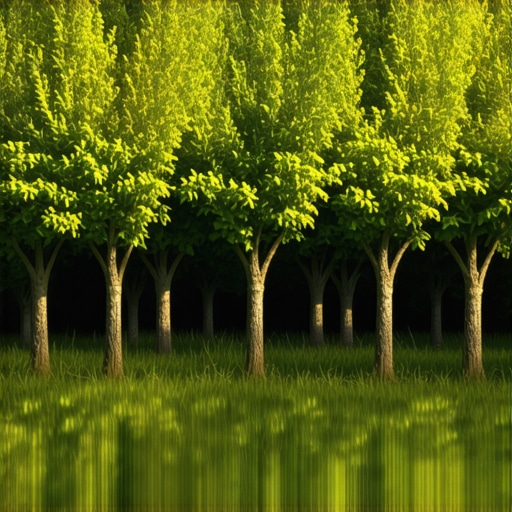
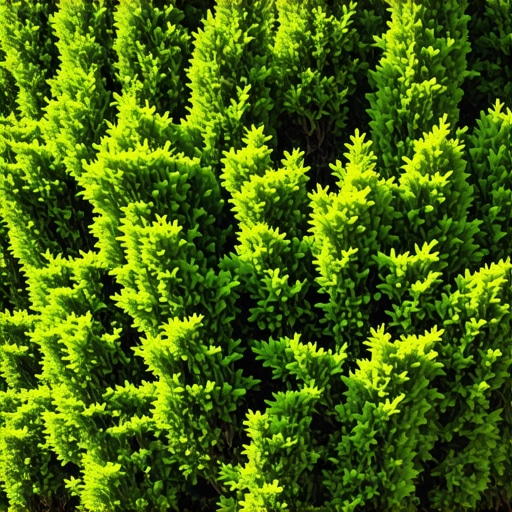
The best shrubs for privacy screening include dense evergreens like Thuja occidentalis ‘Green Giant’, Ilex x nellie R. stevens, and Prunus laurocerasus, but success depends entirely on soil drainage, root flare visibility, and USDA zone compatibility rather than just aesthetic appeal. Most homeowners fail because they prioritize top-growth speed over root system integrity. I always drill into my new crew members: if you don’t fix the soil grading first, every plant you put in the ground is just expensive compost. I have seen too many three-thousand-dollar privacy hedges turn into brown sticks within eighteen months because some hack didn’t check the percolation rate or buried the root flare under four inches of mulch. Landscaping is not about decorating; it is about managing biology and site engineering. If you ignore the subsurface conditions, the biology will fail you every single time. We are looking for structural stability and density that can withstand wind loads and heavy snow without splaying. That starts in the dirt. [image_placeholder]
“Planting a tree or shrub too deep is one of the most common causes of plant failure in the landscape. The root flare should always be visible at the soil surface to ensure proper gas exchange for the root system.” – Penn State Extension Horticulture Manual
How far apart should I plant privacy shrubs?
To determine spacing, you must calculate the mature width of the species and subtract twenty percent for immediate privacy or use the full width to prevent root competition and powdery mildew caused by poor airflow. For most upright evergreens, a spacing of five to eight feet on center is the industry standard. Planting too close leads to shaded-out lower branches, creating a leggy appearance where you actually need the most coverage.
The Engineering of a Living Screen: Species Selection and Soil Mechanics
Selecting the best shrubs for privacy screening requires an analysis of soil pH, nitrogen availability, and compaction levels to ensure the species can establish a deep enough root system to support its own weight. If you have heavy clay, you cannot just drop an Arborvitae into a hole and hope for the best. That hole becomes a bathtub, drowning the roots in forty-eight hours. You need to scarify the edges of the planting pit and potentially amend the backfill with expanded shale to improve aeration. I prefer working with species that offer high density and low maintenance once established. We look at the growth habit: is it pyramidal, columnar, or spreading? Your choice determines how much hardscaping interference you will face with sidewalks or foundations in a decade.
| Shrub Species | Growth Rate | USDA Zones | Best Soil Type | Privacy Density |
|---|---|---|---|---|
| Thuja ‘Green Giant’ | 3-5 ft / year | 5-8 | Moist, well-drained | Very High |
| Ilex ‘Nellie R. Stevens’ | 2-3 ft / year | 6-9 | Acidic, well-drained | High (Evergreen) |
| Prunus laurocerasus | 1-2 ft / year | 6-9 | Adaptable | High (Broadleaf) |
| Juniperus virginiana | 1-2 ft / year | 2-9 | Dry, rocky, clay | Medium-High |
What are the fastest growing shrubs for privacy?
The Thuja ‘Green Giant’ and Leyland Cypress are the fastest growing options, often adding three feet of height annually, but they require consistent moisture and balanced NPK fertilization to maintain that rate without becoming structurally weak. Beware the Leyland; it is a magnet for Seiridium canker in stressed environments. If you want speed, you must provide the irrigation infrastructure to support it.
The Hardscape Interface: Managing Drainage and Hydrostatic Pressure
When installing a privacy screen near retaining walls or patios, you must account for hydrostatic pressure and root expansion to prevent structural heaving or wall failure. Water is the enemy of all hardscape. If you plant a row of thirsty shrubs behind a wall without a proper French drain and 1b stone backfill, the irrigation water will eventually push that wall right over. We use non-woven geotextile fabric to keep fines from clogging our drainage pipes. You have to think like an engineer. The soil behind a wall is a structural load. Adding the weight of mature trees and the lubrication of water changes the math. You need a compacted gravel base that extends at least twelve inches below the grade for any wall over two feet high.
“A retaining wall doesn’t fail because of the stone; it fails because of the water trapped behind it.” – Hardscape Engineering Axiom
Do not skip the 811 call either. I have seen guys hit gas lines because they thought they knew where the utilities were. They didn’t. Dig Safe is not a suggestion; it is a prerequisite for professional garden design. When we layout a privacy screen, we are looking at the utility map as much as the sun map. We avoid planting large-root species directly over sewer laterals or electrical conduits.
The Master Installation Checklist: Steps for Long-Term Success
- Soil Test: Check pH and nutrient levels before buying plants. Adjust with lime or sulfur if necessary.
- Percolation Test: Dig a hole, fill it with water, and ensure it drains within 12 hours.
- Pit Dimensions: Dig the hole twice as wide as the root ball but no deeper than the root ball itself.
- Girdling Root Inspection: Cut any roots circling the container or burlap ball to prevent future strangulation.
- Watering Schedule: Provide 1 inch of water per week through deep, infrequent soakings to encourage deep rooting.
- Mulching: Apply 2-3 inches of hardwood mulch, keeping it away from the trunk to prevent rot.
Lawn Care Integration: Protecting the Screen from Turf Maintenance
Effective lawn care near a new privacy hedge involves mechanical protection and chemical awareness to prevent mower blight or herbicide drift from damaging sensitive root systems. I hate seeing a $500 specimen tree with a scar from a string trimmer. That is pure negligence. We create wide mulch rings to keep the mowers away. Also, be careful with your broadleaf weed killers. If you are spraying 2,4-D on a windy day, it will drift onto your Ilex and curl the leaves faster than you can blink. Professional landscaping requires a holistic view of the property. The lawn and the shrubs are part of the same biological system. If you over-fertilize the grass with high-nitrogen synthetic blends, you might actually trigger succulent growth in your shrubs that is highly susceptible to winter kill and pest infestations. Balance is key. Keep your mower blades sharp and your discharge chutes pointed away from your new screen. It is simple stuff, but it is where most people fail. Professional results come from professional habits. No shortcuts.
![4 Fragrant 2026 Night-Blooming Plants [Zone 7]](https://lawnmajesty.com/wp-content/uploads/2026/06/4-Fragrant-2026-Night-Blooming-Plants-Zone-7.jpeg)