The Best Plants for Keeping Mosquitoes Away from Your Patio
The Foundation of Functional Landscape Engineering
I always drill into my new crew members: if you dont fix the soil grading first, every plant you put in the ground is just expensive compost. Most homeowners think they can just buy a few pots of lavender and call it a day, but that is not how biological systems work. If your patio has standing water because your hardscape contractor did not understand a 2 percent pitch, no amount of citronella will save you from the larvae breeding in your base layer. Landscaping is about managing hydrology and chemistry. When we talk about mosquito repellent plants, we are talking about volatile organic compounds (VOCs) and how they interact with the olfactory receptors of the Aedes aegypti mosquito. You need a strategic plan that addresses the drainage, the soil pH, and the specific cultivars of plants that produce the highest concentrations of linalool and camphor.
“A retaining wall doesnt fail because of the stone; it fails because of the water trapped behind it.” – Hardscape Engineering Axiom
What are the best plants to repel mosquitoes on a patio?
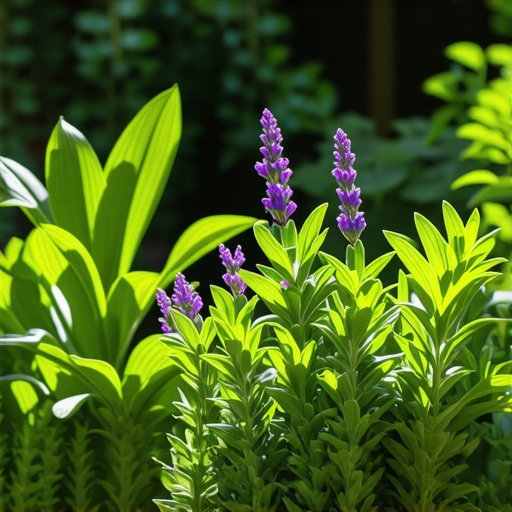
The most effective mosquito repellent plants for residential patios are Lavandula angustifolia, Cymbopogon nardus, and Salvia rosmarinus because they contain high levels of linalool and citronellal. These plants function by masking the carbon dioxide and lactic acid signatures humans emit, making the patio area a difficult target for female mosquitoes seeking a blood meal.
The Ground-Up Build: Engineering the Perimeter
Before you touch a shovel, you have to look at the hardscape. If you have a patio made of pavers, your first point of failure is likely the bedding sand or the joints. Water that sits in the joints of a poorly sloped patio is a nursery for pests. We use a 4 inch to 6 inch base of 2A modified gravel, compacted with a vibratory plate tamper until it reaches 95 percent Proctor density. This ensures that water moves through the system and into the perforated 4 inch French drain pipe rather than pooling near your seating area. Once the drainage is locked in, we turn our attention to the soil. Mosquito repellent plants like lavender and rosemary are Mediterranean in origin. They do not want rich, black, loamy soil. They want grit. They want a pH between 6.5 and 7.5. If you put them in heavy clay with a 5.0 pH, the roots will rot in three weeks. Don’t skip the soil test. It costs twenty dollars and saves you thousands in dead nursery stock.
How much modified gravel do I need for a patio base?
To calculate your base material, multiply the square footage of your patio by the depth of the gravel (usually 0.5 feet for a 6 inch base) and divide by 27 to get cubic yards. For a 200 square foot patio, you need approximately 3.7 cubic yards of modified stone. Proper compaction is the only thing preventing your repellent garden from sinking into a muddy mess. Use a screed pipe to ensure the final grade moves water away from the foundation at a rate of a quarter inch per foot.
| Plant Species | Active Compound | Hardiness Zone | Preferred Soil pH |
|---|---|---|---|
| Lavandula (Lavender) | Linalool | 5 to 9 | 6.7 to 7.3 |
| Cymbopogon (Citronella) | Citronellal | 9 to 11 | 6.0 to 7.0 |
| Salvia rosmarinus (Rosemary) | Camphor | 7 to 10 | 6.0 to 7.5 |
| Nepeta cataria (Catnip) | Nepetalactone | 3 to 9 | 6.1 to 7.8 |
Do mosquito repellent plants actually work?
Plants only work as repellents if the leaves are agitated or crushed to release the essential oils. Simply sitting next to a potted geranium will not protect you. You must incorporate these plants into high traffic areas where people will brush against the foliage, or you must manually harvest and crush the leaves to aerosolize the defensive chemicals. This is the difference between a decorative garden and a functional bio barrier.
Planting Protocols and Root Management
When installing these species, you have to avoid the common mistake of the mulch volcano. I see it every day. Contractors pile cedar mulch up against the stem of the plant, trapped moisture rots the bark, and the vascular system of the plant shuts down. Keep your mulch 2 inches away from the base of the plant. For rosemary and lavender, I recommend using a 1 inch layer of pea gravel or crushed stone as mulch instead of wood chips. This reflects heat back up into the plant, increasing the production of volatile oils, and keeps the root flare dry.
“The success of a perennial planting is 90 percent preparation and 10 percent installation. If the drainage is not managed at the subgrade level, the plant is merely a temporary ornament.” – Penn State Agricultural Extension Manual
The Five Point Perimeter Checklist
- Test soil pH and adjust with lime if below 6.5.
- Excavate planting beds to 12 inches and amend with 30 percent coarse sand.
- Install plants at a spacing that allows for 360 degree airflow to prevent powdery mildew.
- Set irrigation timers for deep, infrequent cycles to force root growth downward.
- Prune woody perennials in early spring to stimulate new growth where oil concentration is highest.
Maintenance and Year One Expectations
In the first year, your focus is not on the foliage; it is on the roots. I tell my clients that the first year they sleep, the second year they creep, and the third year they leap. You need to provide at least 1 inch of water per week through the first growing season. However, do not use a broadcast sprinkler that soaks the leaves. Use drip irrigation or a soaker hose buried 2 inches beneath the gravel mulch. This delivers water directly to the root zone and keeps the humidity low around the canopy, which discourages mosquito resting. If you see yellowing leaves on your rosemary, you are likely overwatering or your soil is too tight. Check the compaction. If the soil is like concrete, use a core aerator to get oxygen to the microbes. Healthy soil biology equals a high VOC output, which means fewer bugs on your patio. Stop buying the cheap bags of fertilizer at big box stores. They are loaded with salts that kill the mycorrhizal fungi. Use a slow release organic feed with a 5-10-5 NPK ratio to support bloom and oil production without forcing leggy, weak growth. It will rot if you overfeed it with nitrogen. Keep it lean, keep it dry, and keep it pruned.