The Best Way to Get Rid of Creeping Charlie Without Chemicals
Understanding the Bio-Mechanics of Glechoma Hederacea Eradication
To effectively eliminate Creeping Charlie without using synthetic herbicides, you must execute a multi-season cultural strategy that addresses soil compaction, light availability, and the plant’s stoloniferous growth habit to starve its energy reserves. I always drill into my new crew members: if you don’t fix the soil grading first, every plant you put in the ground is just expensive compost. The same logic applies to invasive weeds. If your soil is a compacted, acidic, shaded mess, you are essentially building a nursery for Glechoma hederacea. This plant is a member of the Lamiaceae (mint) family, characterized by its square stems and aggressive ability to root at every single node. If you pull the vine but leave a half-inch node behind, you haven’t solved the problem; you’ve just pruned it. We approach this through a forensic autopsy of the lawn’s failures.
“Cultural practices that favor turfgrass are the first line of defense against Glechoma hederacea.” – Penn State Extension
The Anatomy of an Invader: Why Your Lawn is Failing
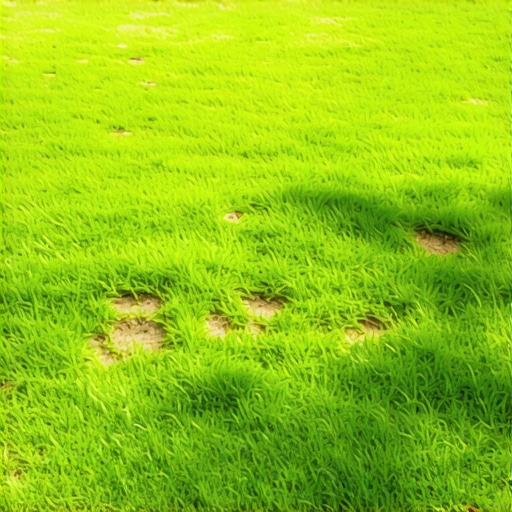
Creeping Charlie thrives in environments where turf grass is stressed by low light, poor drainage, and nitrogen deficiencies, allowing its runners to bypass the grass and monopolize the soil surface. This plant is a master of the low-light environment. While your Kentucky Bluegrass is struggling to photosynthesize under a dense oak canopy, Creeping Charlie is thriving, using its broad, scalloped leaves to soak up every available photon. It also employs allelopathic tactics, releasing biochemical compounds into the soil that inhibit the germination and growth of competing species. This is why you see a dead zone of grass surrounding a dense patch of the weed. It is not just out-growing your lawn; it is actively sabotaging it. To win, you must understand the soil’s physical properties. We are looking at bulk density and pore space. Compacted soil lacks the oxygen necessary for healthy root respiration in turf grass, but Creeping Charlie, with its shallow, adventitious roots, couldn’t care less about your compacted clay. It sits on top, laughing at your 2200 PSI foot traffic.
How much modified gravel do I need for a patio base?
While discussing drainage, homeowners often ask about hardscaping as a solution for weed-prone areas. For a standard 4 inch base, you need approximately 1 ton of modified gravel (2A or 2B crushed stone) for every 50 square feet. Proper compaction of this base prevents the shifting that creates gaps where weeds like Creeping Charlie can eventually take hold.
The Mechanical Removal Protocol: Hand-to-Hand Combat
The most effective chemical-free removal of Creeping Charlie is systematic manual extraction performed when the soil is moist, ensuring the removal of all stolons and adventitious roots to prevent vegetative regeneration. You can’t just hack at this with a hoe. You need to get your hands dirty. We use a pitchfork or a specialized weeding tool to loosen the soil around the primary crown. Once the soil is friable, you gently lift the runners. It is like untangling a bird’s nest. You must follow every vine to its terminus. If you snap a runner, that fragment will likely root and start a new colony within fourteen days. This is labor-intensive, calloused-hand work. There are no shortcuts. If you have a massive infestation, we look at the ‘smothering’ technique. This involves using heavy cardboard or black silviculture plastic to block all light. This process, known as occultation, starves the plant of carbohydrates. It takes six to ten weeks. It will rot. It is ugly, but it is 100 percent effective without a drop of glyphosate.
What is the best tool for pulling Creeping Charlie?
A long-handled garden fork or a Cape Cod weeder is best for lifting Creeping Charlie runners from the soil without breaking the nodes, which are the primary source of regrowth in invasive ground covers. Avoid using a rototiller, as this will merely chop the stolons into hundreds of individual starts, effectively planting a new crop for you.
Soil Modification and the pH Factor
Altering the soil pH to a range of 6.5 to 7.0 and increasing available nitrogen through organic top-dressing creates a competitive advantage for turf grass, making it difficult for Creeping Charlie to re-establish. Most of the lawns we see infested with this weed have a pH hovering around 5.5 or 6.0. It’s too acidic. We use pelletized lime to bring that number up. We also look at Boron levels. There is an old horticultural trick involving Borax, but I tell my crews to be careful. While Creeping Charlie is sensitive to Boron, so are your other plants. Too much, and you’ve sterilized the soil for years. Instead, focus on aeration. We use a hollow-tine aerator to pull 3 inch cores out of the lawn. This breaks up the compaction, allows oxygen to hit the grass roots, and improves drainage. A dry lawn is a lawn that Creeping Charlie hates.
“Glechoma hederacea is an aggressive, stoloniferous perennial that thrives in shaded, moist environments where turf competition is low.” – USDA Forest Service
The Comparative Strategy Matrix
Use the following table to determine which mechanical or cultural method suits your specific landscape conditions.
| Method | Success Rate | Labor Requirement | Timeframe | Best For |
|---|---|---|---|---|
| Manual Pulling | Moderate | High | Immediate | Small patches |
| Occultation | Very High | Low | 8-12 Weeks | Massive infestations |
| Core Aeration | Moderate | Medium | Long-term | Compacted soil |
| Flame Weeding | Low | Medium | Immediate | Hardscape cracks |
The Maintenance Checklist for a Weed-Free Lawn
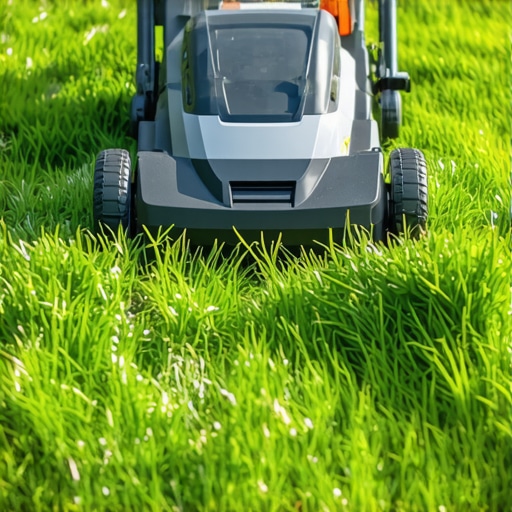
- Mow High: Set your mower deck to 3.5 or 4 inches. Tall grass shades the soil and prevents weed seeds from germinating.
- Deep Watering: Water 1 inch per week in a single session to force grass roots to grow deep into the soil profile.
- Overseeding: Every fall, slice-seed with a shade-tolerant fescue mix to fill in gaps.
- Core Aeration: Perform this every autumn to combat soil compaction and thatch buildup.
- Soil Testing: Test your soil every two years to monitor pH and nutrient levels.
The Post-Eradication Management Phase
Once you have physically removed the Creeping Charlie, the battle is only half won because the seed bank in your soil can remain viable for years. You must immediately overseed with a high-density turf mix to ensure there is no bare soil for the weed to reclaim. In the landscaping world, nature abhors a vacuum. If you leave a hole in the dirt, something will fill it. Usually, it’s the thing you just spent three days pulling out. We use a heavy layer of organic compost as a top-dressing to provide a nitrogen burst for the new seed. Don’t skip this. If you skip the seeding, you are wasting your time. The goal is to create a turf canopy so dense that the sun never reaches the soil surface. That is the ultimate non-chemical herbicide. Consistency beats intensity every time. Check your lawn every Saturday. Pull the small sprigs before they become mats. Stay on top of it. Your hands will be sore, but your soil will be healthy. This is the difference between a contractor and a hack. We don’t just kill weeds; we build ecosystems that resist them.