The Truth About Organic Fertilizer vs Synthetic
The Forensic Autopsy of a Scorched Lawn
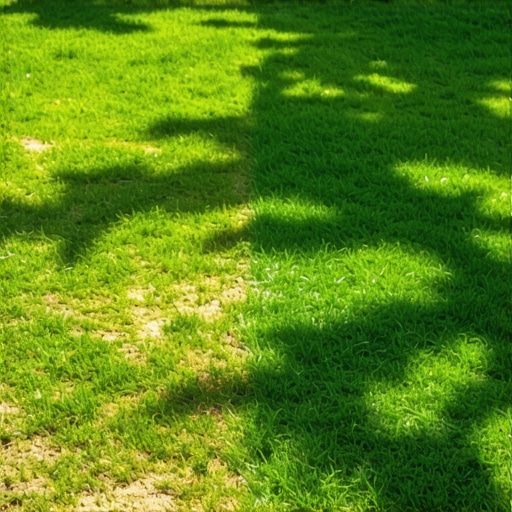
The first thing you notice isn’t the color; it’s the smell of ammonia and the brittle, straw-like texture of the leaf blades. In my twenty years of high-end lawn care, I have walked onto hundreds of properties where the homeowner thought they were doing their turf a favor by dumping high-analysis synthetic nitrogen. Instead, they created a biological desert. Synthetic fertilizers provide a localized, rapid-release chemical hit that forces vegetative growth at the expense of root architecture and soil microbiology. This creates a dependency cycle where the lawn requires more chemicals just to maintain the illusion of health.
The Chemical Nightmare: A Cautionary Tale
A homeowner called me in a panic last July after they completely torched their front lawn by applying a high-nitrogen ‘turf-builder’ during a heat wave. They thought they could green up the yard for a weekend party. Instead, the salt index of the synthetic urea sucked the moisture directly out of the grass plants through osmotic pressure. By the time I arrived, the Fescue was physically desiccated. We didn’t just have to replant; we had to flush the soil to bring the salinity levels down before any seed would even germinate. This is the hidden cost of the ‘mow-and-blow’ hack mentality. It’s not just grass; it’s a living system of nitrogen cycles and microbial interaction.
Understanding the Salt Index and Cation Exchange Capacity
The salt index of a fertilizer measures its potential to increase the osmotic pressure of the soil solution, which can cause catastrophic root desiccation in sensitive turfgrass species. When you use synthetic salts, you are effectively increasing the salinity of the root zone. This interferes with the Cation Exchange Capacity (CEC), which is the soil’s ability to hold and exchange essential nutrients like potassium, calcium, and magnesium. High-salt synthetics block these exchange sites, leading to nutrient runoff and groundwater contamination. In contrast, organic amendments improve CEC by adding stable carbon and humic substances to the soil matrix.
“High concentrations of soluble salts in the root zone can prevent plants from absorbing water, even in moist soils, leading to physiological drought.” – Penn State Agricultural Extension
How much nitrogen does my lawn actually need?
For most cool-season grasses, you should aim for 0.5 to 1.0 pound of actual nitrogen per 1,000 square feet per application, ensuring that the Water Insoluble Nitrogen (WIN) ratio is high enough to prevent surge growth. Over-applying nitrogen, especially in synthetic form, leads to thatch buildup. Thatch is a layer of dead and living organic matter that accumulates between the green vegetation and the soil surface. High-nitrogen diets cause grass to grow faster than the soil microbes can decompose the clippings, leading to a hydrophobic layer that prevents water from reaching the roots.
The Organic Reality: Building Microbial Biomass
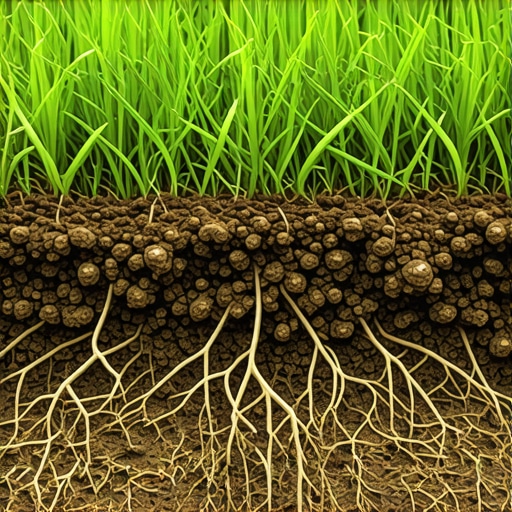
Organic fertilizers such as bone meal, feather meal, and composted poultry manure rely on soil microorganisms to break down complex organic molecules into plant-available forms like nitrate and ammonium. This is a temperature-dependent process. If the soil is too cold, the microbes are inactive, and the nutrients stay locked up. This built-in ‘slow-release’ mechanism prevents the nitrate leaching common with synthetic quick-release products. You aren’t just feeding the plant; you are feeding the mycorrhizal fungi and rhizobacteria that form a symbiotic relationship with the root system.
“The biological activity of the soil is the primary driver of nutrient cycling in sustainable turfgrass management systems.” – Texas A&M Agronomy Manual
Is organic fertilizer better for your lawn than synthetic?
While organic fertilizers provide superior long-term soil health and microbial diversity, they require patience as the mineralization process takes time to convert organic matter into usable nutrients. Synthetic fertilizers offer precision control for specific deficiencies, but they lack the micronutrients and carbon sources necessary for a self-sustaining ecosystem. In my firm, we use a hybrid approach, focusing on organic bases to build the soil’s buffer capacity while using minimal synthetics only when a specific nutrient gap is identified via professional soil testing.
The Technical Breakdown: Synthetic vs. Organic
To understand the impact on your garden design and lawn care, look at the material properties. Synthetics are often 20-0-0 or 32-0-0 NPK ratios. These are concentrated chemical salts. Organics are usually lower, like 4-3-4 or 6-2-4. The lower numbers aren’t a sign of weakness; they are a sign of a complex material that includes carbon, amino acids, and trace minerals.
| Feature | Synthetic Fertilizer | Organic Fertilizer |
|---|---|---|
| Nutrient Release Rate | Immediate to 4 weeks | 6 weeks to 6 months |
| Soil Biology Impact | Can suppress microbes | Stimulates microbial growth |
| Salt Index | High (Risk of burn) | Very Low |
| Cost per lb of Nitrogen | Lower | Higher |
| Leaching Potential | High | Low |
How long does it take for organic fertilizer to work?
In a healthy soil profile with active soil microbiology, you will typically see a response from organic fertilizers within 7 to 21 days, depending on soil temperature and moisture levels. The nutrients are released as microbes digest the organic matter, meaning the delivery is synchronized with the plant’s natural growth cycle. It’s a slow burn. Don’t expect the neon-green ‘pop’ of a synthetic urea. Expect a deep, consistent emerald green that lasts through the season.
The Step-by-Step Soil Remediation Process
If you’ve been abusing your land with big-box store synthetics, you can’t just flip a switch. You need a transition plan to restore the soil food web. Don’t skip these steps. It will rot if you don’t fix the drainage first. Proper landscaping starts beneath the surface.
- Core Aeration: Remove 3-inch plugs to relieve compaction and allow oxygen to reach aerobic bacteria.
- Soil Testing: Get a lab-grade analysis of your pH, CEC, and organic matter percentage.
- Top-Dressing: Apply 1/4 inch of high-quality leaf compost to reintroduce beneficial microbes.
- Overseeding: Use endophyte-enhanced turfgrass varieties that are naturally resistant to pests.
- Microclover Integration: Consider adding microclover to provide a natural source of nitrogen fixation.
Engineering the Sub-Base for Hardscaping and Drainage
In high-end garden design, we never separate the lawn from the hardscaping. If your patio doesn’t have a properly engineered modified gravel base and a French drain system, the runoff will pool on your lawn, causing root rot and fungal outbreaks like Brown Patch or Pythium. I’ve seen $50,000 patios fail because the contractor didn’t account for hydrostatic pressure. Water always wins. You must grade the soil at a minimum 2% slope away from all structures and turf areas to ensure proper surface drainage. This isn’t optional. It’s civil engineering.
The Maintenance Schedule for Long-Term Success
Stop scalping your grass. Set your mower to 4 inches. This shades the soil, reduces evaporation, and allows for deeper root penetration. Water deeply and infrequently—exactly 1 inch per week—to force the roots to chase the moisture down into the soil profile. This builds a drought-tolerant lawn that doesn’t need a chemical crutch. Avoid the ‘mow-and-blow’ hacks who use dull blades and leave clumps of grass that choke out the crown. Precision matters. Measurements matter. Science matters.