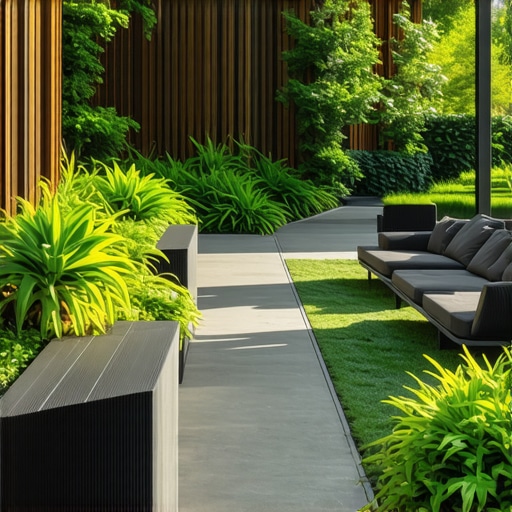
Have you ever stared at your overgrown yard and felt a twinge of frustration, wondering if you’ll ever get it to look as sleek and inviting as those stunning modern gardens you see online? I’ve been there. My first few attempts at garden makeover were more miss than hit, often ending with muddy patches and uninspired layouts. It was a real wake-up call when I realized that a thoughtful approach to modern garden design and strategic hardscaping could truly transform my outdoor space into a breathtaking retreat. Today, I want to share what I’ve learned — the secrets to creating a stunning, functional garden that’s perfectly suited for 2025 and beyond.
The Power of Focused Garden Makeovers
In recent years, the buzz around garden transformation has skyrocketed, especially with trends leaning toward sleek, minimalist aesthetics combined with sustainable practices. But here’s the truth: it’s not enough to just copy what’s trending. Your garden needs to reflect your lifestyle, climate, and personal taste. This is where the magic happens — when you combine your vision with proven design principles. I’ll help you avoid costly mistakes and guide you toward a cohesive plan that balances beauty and practicality, ensuring that your outdoor space becomes a true extension of your home.
Is Hardscaping Really Worth the Effort?
Early on, I made the mistake of underestimating how much hardscaping could influence my garden’s overall vibe. I thought plants alone could do the trick. Wrong. Hardscaping — think patios, pathways, and modern retaining walls — adds structure, durability, and style. If you’re skeptical about the value of investing in these features, I get it. But studies show that well-designed hardscaping can boost property value and make outdoor spaces more usable year-round. Want proof? Check out hardscaping ideas that can elevate your space with minimal effort but maximum impact.
So, if you’ve faced the dilemma of how to make your garden both beautiful and functional, stay tuned. We’re about to dive into practical tips that will help you craft a stunning outdoor oasis for 2025, one smart step at a time. Ready to turn your yard into the envy of the neighborhood? Let’s go!
Lay a Strong Foundation with Planning
Start by sketching your yard to visualize the layout. Measure dimensions and identify focal points like a patio or water feature. I once spent a weekend mapping out my space with chalk and tape, which helped me see how different elements would flow together. This prevents costly mistakes later and clarifies what hardscaping features will enhance your garden’s function and style.
Choose Durable, Stylish Materials
Hardscaping is all about selecting the right materials. Think of it like building a sturdy frame for a painting; your choices dictate the overall aesthetic. Concrete, pavers, and natural stone are popular for their durability and modern look. For my project, I opted for sleek concrete pavers, which gave my patio a minimalist yet elegant feel. Check out hardscaping ideas to find the perfect match for your style.
Create Pathways with Purpose
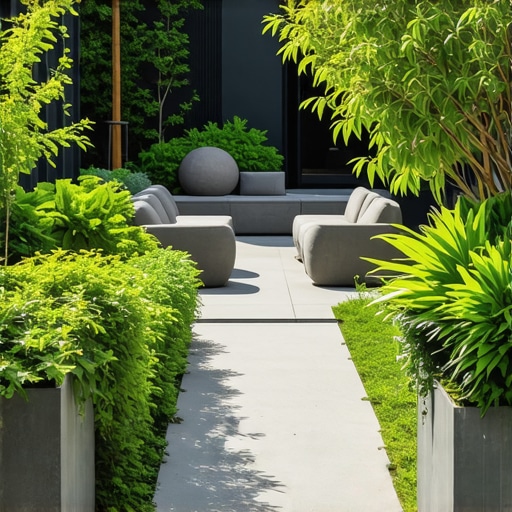
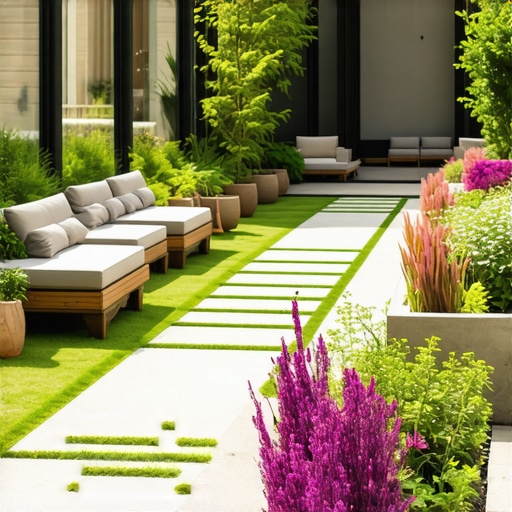
Pathways define movement and add visual interest. Use stepping stones or narrow pavers to guide visitors from one area to another. I used flagstone to connect my seating area to the vegetable garden, mimicking a natural creek bed. Remember, pathways should be wide enough for comfortable passage—about 3 feet is standard. This approach makes your yard inviting and easy to navigate.
Incorporate Retaining Walls for Structure
Retaining walls aren’t just functional—they also serve as design features. Use them to level uneven terrain or create terraced beds. I installed a modern concrete retaining wall to hold back a slope, which transformed a muddy hillside into a lush, layered garden. Think of it as giving your yard a backbone that supports both form and function. Check out innovative ideas for inspiration.
Integrate Water Elements for Serenity
Water features like a sleek fountain or a small pond add tranquility. I installed a minimalist water fountain near the patio, which became the centerpiece of my garden. When designing, consider the placement for sound and visual impact—near seating areas for relaxation. Use durable materials like metal or concrete to withstand weather and reduce maintenance.
Pay Attention to Lighting for Ambiance
Lighting extends usability and enhances beauty. Use layered lighting—spotlights, path lights, and accent LEDs—to highlight features and create ambiance. I installed low-voltage LED lights along pathways and uplights on my retaining wall, which made my garden glow at night. Proper lighting makes your hardscaping elements stand out and invites evening gatherings.
Combine Hardscape with Softscape
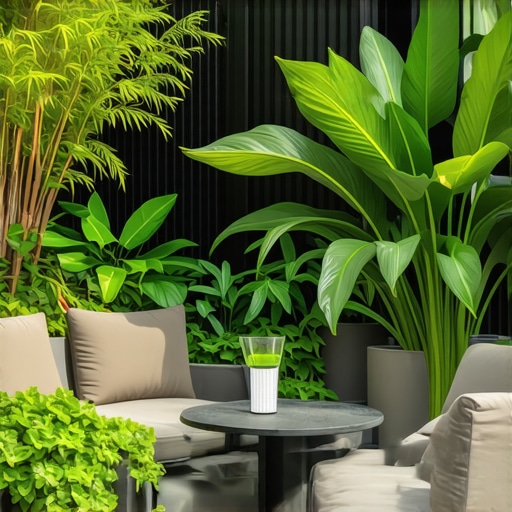
Balance rigid structures with lush planting. Use planters, garden beds, and ground covers to soften the hard edges. I added tall grasses and flowering shrubs along my pathways, creating a natural contrast to the stonework. This combination of textures and colors breathes life into your modern design and ensures your garden feels inviting year-round.
Maintain Your Investment
Regular upkeep is key. Sweep pathways, inspect retaining walls for cracks, and trim plants to keep everything looking pristine. I scheduled seasonal checks that kept my hardscapes in top shape, preventing small issues from turning into costly repairs. Proper maintenance prolongs the beauty and functionality of your garden, ensuring it remains a stunning outdoor space for years to come.
Many homeowners jump into hardscaping or landscaping with a set of assumptions that can lead to costly mistakes or subpar results. Let’s dig deeper into what most people get wrong about these crucial outdoor design elements and how understanding the nuances can save you time, money, and frustration.
Why DIY Hardscaping Often Backfires
It’s tempting to think that hardscaping projects like patios or retaining walls are straightforward, but the reality is more complex. Without proper planning and expertise, you risk structural issues, poor drainage, or materials that don’t withstand weather conditions. For example, using concrete slabs without considering soil movement can lead to cracking and uneven surfaces. Skilled hardscapers analyze soil stability, water flow, and material compatibility—details that are often overlooked by DIY enthusiasts. To avoid this trap, I recommend researching innovative ideas and consulting professionals, especially for large or complex projects, which can be explored in hardscaping ideas.
Myth: Landscaping is Just About Plants
Many believe that landscaping is only about selecting pretty plants and flowers, but it’s much more nuanced. Effective landscaping integrates softscape with hardscape elements, creating harmony and functional flow. Overplanting or choosing incompatible plant species can result in a cluttered look or high maintenance costs. The key is strategic placement, considering sunlight, soil type, and future growth—details that often trip up beginners. A balanced approach, blending lush greenery with structural features, elevates the design and longevity of your garden, as discussed in modern garden design.
Is Lawn Care Really That Important for Overall Garden Health?
Absolutely. Some think lawn care is optional or secondary, but a healthy lawn forms the foundation of a lush, inviting landscape. Overlooking proper lawn maintenance—like aeration, fertilization, and watering—can lead to weed infestations, disease, and thin grass that diminishes curb appeal. Many overlook the importance of soil health, which influences everything else in your garden. Advanced techniques, such as soil testing and tailored fertilization, can significantly improve lawn vitality, aligning with the latest lawn care insights shared in modern lawn care. Have you ever fallen into this trap? Let me know in the comments.
Keeping your outdoor spaces looking pristine and functioning smoothly over time requires the right tools and maintenance routines. I’ve learned through hands-on experience that investing in quality equipment and adopting disciplined upkeep habits can dramatically extend the lifespan of your hardscaping features and softscape elements.
One tool I swear by is a cordless electric pressure washer. It’s perfect for cleaning patios, retaining walls, and pathways without the hassle of cords or heavy equipment. I personally prefer models like the Karcher K1700, which offers adjustable pressure settings and a compact design, making it easy to maneuver around delicate surfaces or stubborn dirt. Regular cleaning with a pressure washer prevents the buildup of moss, algae, and grime, which can cause slipping hazards and degrade materials over time.
For lawn care, a high-quality cordless string trimmer such as the Ego Power+ ST1502E has revolutionized my maintenance routine. Its lightweight design and powerful battery allow me to trim edges, clear weeds, and maintain landscaped beds efficiently. Keeping your lawn and garden beds well-maintained not only enhances visual appeal but also prevents pest infestations and plant diseases, making your landscape more sustainable and easier to care for in the long run.
In addition to tools, software can play a pivotal role in planning and maintaining your landscape. I highly recommend using a landscape design app like SketchUp or iScape. These tools enable you to visualize your hardscaping and softscape ideas before executing them. For example, I used SketchUp to simulate different patio layouts and plant placements, which saved me money and time on revisions. As trends lean toward more personalized outdoor designs, these digital tools will become even more essential for homeowners aiming for professional-level results without hiring a designer.
How do I maintain my landscape over time? The key is a regular schedule of inspections and cleaning. I set a seasonal calendar: spring for edging and fertilizing, summer for watering and weed control, fall for leaf removal and soil testing, and winter for protecting plants and hardscape surfaces. Consistent attention prevents small issues from becoming expensive repairs and keeps your outdoor space looking its best year-round. For example, inspecting retaining walls annually for cracks or shifts can prevent costly structural failures, and sealing pavers every few years preserves their color and integrity. Check out hardscaping ideas for more tips on preserving your investment.
Looking ahead, I believe the trend toward integrated smart irrigation systems and eco-friendly maintenance solutions will continue to grow. Automated watering systems with soil moisture sensors can optimize water use and promote healthier plants, reducing waste and labor. Incorporating these innovations now can make your garden more sustainable and easier to maintain long-term. Try installing a smart irrigation system this season to see immediate benefits!
In conclusion, the right tools combined with disciplined maintenance routines are the backbone of a durable, beautiful landscape. Investing in quality equipment, leveraging digital planning tools, and adhering to a seasonal care schedule will ensure your outdoor oasis remains a source of pride for years to come. Ready to elevate your maintenance game? Start with a high-pressure cleaner or smart irrigation upgrade today and see the difference it makes!
Lessons I Wish I Knew About Hardscaping and Garden Design
- One of the biggest revelations was realizing that the little details — like proper drainage around my hardscaping and thoughtful plant placement — make a huge difference in the longevity and beauty of my garden. Overlooking these led to costly fixes later.
- My biggest mistake was underestimating the importance of a detailed plan before starting. Drawing out my layout with chalk and tape saved me from many headaches and helped me create a cohesive space that feels both modern and inviting.
- Investing in quality materials like natural stone and durable concrete was worth every penny. They resist weather better and age gracefully, giving my garden a sleek, timeless look.
- Getting professional advice for complex features like retaining walls and water elements prevented structural issues and made the process much smoother. It’s a lesson in knowing when to seek expert help.
My Must-Have Tools and Resources for Garden Success
- High-pressure cordless pressure washer — I use the Karcher K1700 to keep pathways and hardscapes spotless, preventing moss and grime buildup that can cause damage or slips.
- Cordless electric string trimmer — The Ego Power+ ST1502E makes edging and trimming effortless, keeping my lawn and beds crisp and healthy.
- Landscape design apps like SketchUp or iScape — These tools help me visualize different layouts and plant combinations before I dig, saving time and money.
- Hardscaping guides and professional consultations — I rely on trusted sources like the hardscaping ideas page for inspiration and expert advice to refine my plans.
Take Action and Create Your Dream Garden Today
Remember, a modern garden that lasts requires planning, quality materials, and regular maintenance. Start small, invest wisely, and don’t be afraid to seek professional guidance to turn your outdoor space into a stunning oasis for 2025. Your perfect garden is within reach — why wait?
What’s the one feature you’re most excited to add or improve in your garden? Share your ideas below and let’s inspire each other!
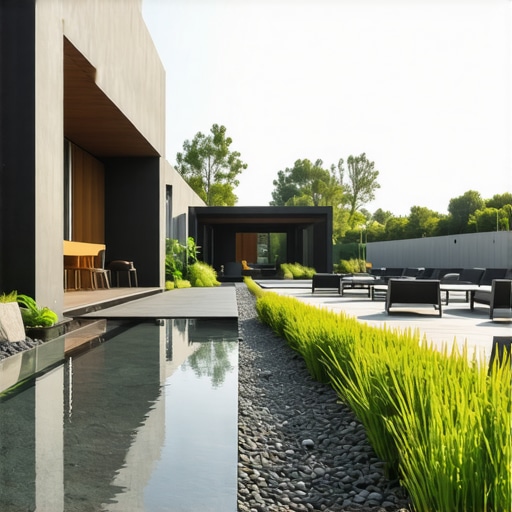
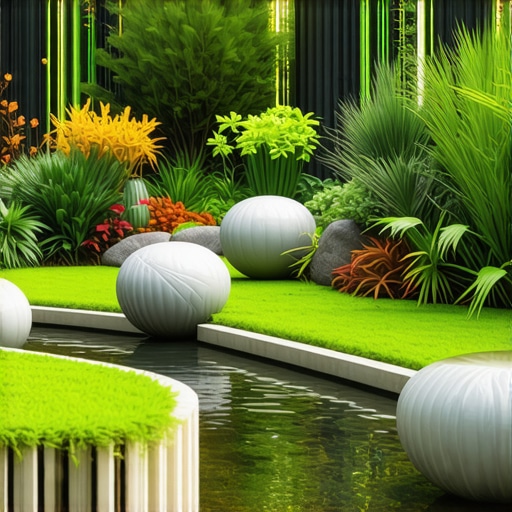
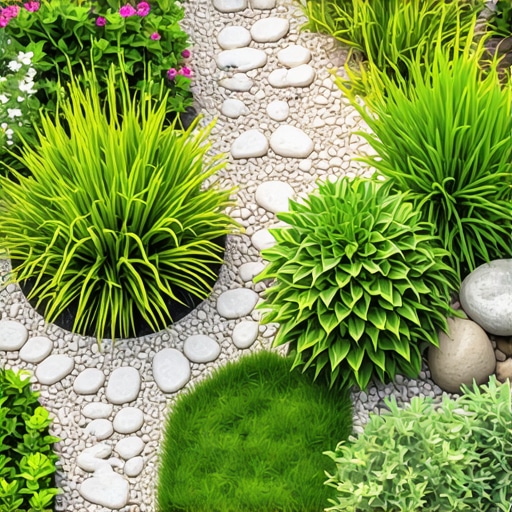
I completely relate to the frustration of trying to overhaul an overgrown yard without a clear plan. When I first started my garden project, I underestimated how much strategic hardscaping could transform the entire space. Using materials like natural stone for pathways and retaining walls really made a difference in giving the garden structure and visual appeal. One thing I’ve found helpful is really focusing on the flow—making sure paths naturally connect different zones, which encourages easier navigation and inviting atmosphere. I’ve also started experimenting with layered lighting to extend usability into the evening. Has anyone had success using automated irrigation systems? I’m considering installing one but wonder how effective they are in managing water with minimal fuss, especially during dry months.