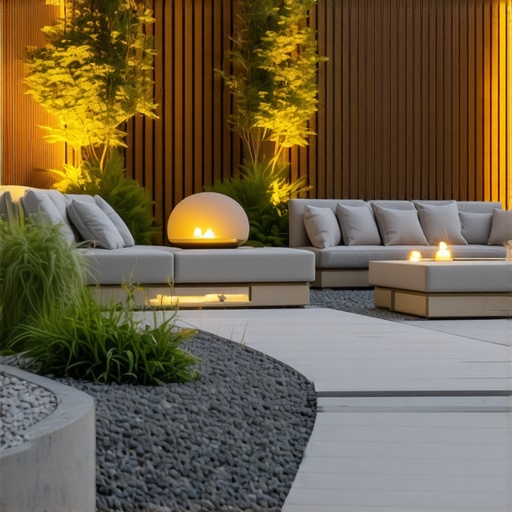
Ever stepped outside on a sunny weekend, only to be greeted by a dull, uninspiring yard that feels more like an obligation than an oasis? I’ve been there. I remember thinking, “Is this as good as it gets?” before realizing that a few smart hardscaping tweaks could turn my backyard into a retreat I actually wanted to spend time in. That lightbulb moment led me down a path of discovery, and today, I want to share how you can do the same. If your outdoor space feels stuck in the past, or if you’re dreaming of a modern upgrade, I promise this post will give you practical, achievable ideas to make your yard a standout in 2025.
Why Hardscaping Is the Key to a Modern Outdoor Makeover
Hardscaping isn’t just about laying stones or installing a patio. It’s about creating structure, flow, and personality in your yard. Think of it as giving your outdoor space a backbone — a foundation that supports all your landscaping dreams. When I first started, I made the mistake of focusing only on plants and ignoring the hard elements. Result? A garden that looked lovely but lacked cohesion and durability. Later, I discovered that integrating innovative hardscaping ideas can elevate your entire landscape, making it more functional and visually stunning. For a comprehensive guide, check out this resource which showcases modern design principles that stand the test of time.
Is Hardscaping Really Worth the Hype?
Early on, I believed that investing in hardscaping was just an aesthetic choice. Boy, was I wrong. The real game-changer was understanding how these elements add value, reduce maintenance, and extend your outdoor usability. A common mistake I made was underestimating the importance of planning. I jumped into installing a driveway or patio without considering drainage, scale, or how it integrated with the existing landscape. That oversight taught me that thoughtful hardscaping isn’t just about look — it’s about smart, lasting design. If you’re skeptical, just remember: well-executed hardscaping can actually save you money and effort in the long run. Want to explore more? Dive into top strategies for 2025 to see what’s trending now.
So, if you’re ready to ditch the outdated, uninspired yard and embrace a modern, durable, and beautiful outdoor space, keep reading. We’ll walk through practical ideas and tips that will make your transformation not just possible but enjoyable. Let’s get started on turning your outdoor space into a stunning haven for 2025 and beyond!
Lay the Foundation with Smart Planning
The first step in any successful hardscaping project is thorough planning. I remember the time I sketched out a rough layout on napkins, trying to visualize where the patio, pathways, and seating would go. This initial step prevents costly mistakes later on. Measure your yard carefully, identify focal points, and consider how you move through the space. Use online tools or visit a local garden center for ideas, and don’t forget to check out modern lawn care tips to complement your hardscaping for a cohesive look.
Choose the Right Materials for Durability and Style
Select hardscaping materials that match your aesthetic and withstand weather conditions. For a sleek, modern look, I opted for large-format porcelain pavers—easy to clean and long-lasting. Think about natural stone like bluestone or granite for a timeless appeal. When I installed my patio, I made sure to level the base properly, which is crucial for preventing future cracks. For inspiration, browse hardscaping ideas that highlight the latest trends and innovative materials.
Create Visual Flow with Pathways and Borders
Pathways guide visitors and create a sense of flow. I used stepping stones embedded in gravel to create a natural, inviting path that connects my seating area with the garden. Borders, such as low retaining walls or metal edging, define zones and prevent soil erosion. During my project, I learned that consistent spacing and proper drainage slope are vital. To see more ideas, explore modern hardscaping strategies for a balanced design.
Incorporate Functional Elements That Elevate Your Space
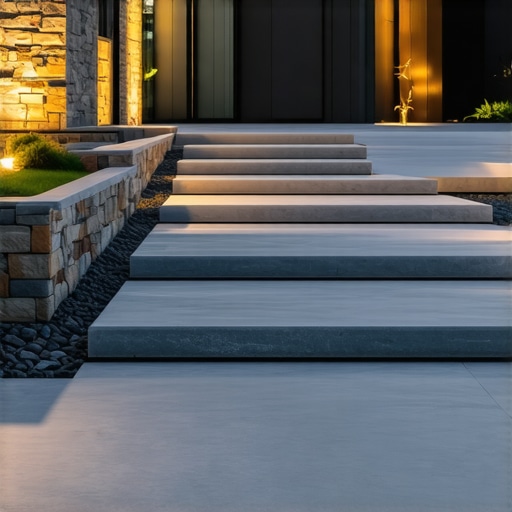
Features like fire pits, outdoor kitchens, or water elements add both function and ambiance. I installed a built-in fire pit that became the centerpiece of my backyard gatherings. Position these features thoughtfully to maximize usability, considering wind direction and privacy. I also added lighting along pathways and around the seating area, which transformed the space at night. For more ideas, check out hardscaping trends for 2025.
Focus on Maintenance and Longevity
Choose low-maintenance materials to keep your outdoor space looking fresh with minimal effort. I found that sealed pavers resist stains and weeds, saving me time. Regular cleaning and sealing extend the life of your hardscaping features. During my implementation, I kept a maintenance schedule that involved power washing and resealing every couple of years. For detailed tips, visit modern garden design tips to ensure your hardscape stays pristine.
Layer Hardscaping with Landscaping for a Cohesive Look
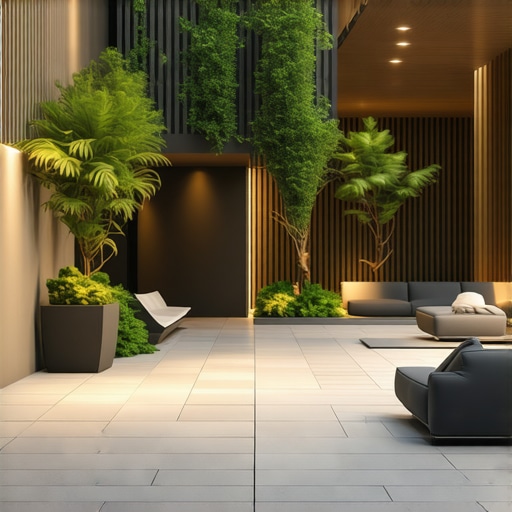
Balance hard elements with lush plants, shrubs, and trees. I softened my concrete patio with flower beds and vertical gardens, which added color and privacy. Use contrasting textures and heights to create visual interest, ensuring that your hardscape serves as a backdrop rather than a barrier. For inspiration, browse garden design solutions that blend hardscaping seamlessly with softscape.
Many homeowners approach hardscaping with good intentions but often fall prey to misconceptions that can hinder their outdoor transformation. As someone who has studied landscape architecture and implemented numerous projects, I can tell you that understanding the nuances can save you time, money, and frustration. Let’s dig deeper into what most people get wrong about hardscaping and how to avoid these pitfalls.
Are All Hardscaping Materials Created Equal?
It’s a common belief that selecting any durable material will yield a long-lasting result. However, in my experience, not all materials are suitable for every climate or application. For example, many assume concrete pavers are universally ideal, but without proper installation and sealing, they can crack or stain. Natural stone like bluestone or granite, while more expensive initially, often provides superior longevity and aesthetic appeal when maintained properly. The key is understanding the specific properties and maintenance needs of each material. For detailed insights, check out this resource to select the best materials for your project.
The Hidden Trap of Oversimplifying Design
Many think hardscaping is just about laying stones and creating pathways. The truth is, a successful hardscape integrates seamlessly with softscaping and considers natural elements like drainage, sun exposure, and wind patterns. I once installed a large patio without considering drainage slope, which led to water pooling and erosion over time. This mistake is common among DIYers who focus solely on aesthetics. Remember, thoughtful planning that considers environmental factors ensures your hardscape remains functional and beautiful for years. For advanced strategies, explore top hardscaping strategies.
Why Cutting Corners Can Cost You in the Long Run
It’s tempting to choose cheaper materials or skip professional installation to save costs. But this often results in higher maintenance, repairs, or replacements sooner than expected. I’ve seen many projects where corners were cut, only to require costly fixes later. Proper base preparation, leveling, and sealing are non-negotiable for durable hardscaping. Investing in quality upfront, and hiring experienced professionals when needed, pays off over time. For more on durable hardscaping, see this guide.
Have you ever fallen into this trap? Let me know in the comments. Remember, mastering these nuances elevates your outdoor space from basic to breathtaking. Let’s approach hardscaping as a strategic, thoughtful process—your future self will thank you for it.
Keeping It Working: Maintenance and Tools for Your Hardscaping
Maintaining your hardscaping features is crucial to ensuring they remain beautiful and functional over the years. From patios to pathways, regular upkeep prevents issues like weed infiltration, staining, and structural damage. One of my go-to methods is consistent cleaning with a pressure washer, which keeps surfaces looking fresh and free of grime. I personally prefer a gas-powered pressure washer with adjustable pressure settings, such as the Karcher GC 1900, because it offers powerful cleaning without risking damage to delicate surfaces like stamped concrete or natural stone. For stubborn stains, I use a mixture of mild detergent and water, avoiding harsh chemicals that could degrade the materials over time.
To protect your hardscaping investments, sealing is a step I recommend every 2-3 years. I rely on high-quality sealers like StoneTech to enhance durability and make cleaning easier. Applying sealant with a brush or roller ensures an even coat, and I always do this on a dry, mild day to allow proper curing.
When it comes to tools, having the right equipment makes all the difference. Besides a good pressure washer, I keep a set of hand tools including a trowel, a small broom, and a garden blower for debris removal. For minor repairs, like filling cracks or re-sealing edges, a quality caulk gun and polymer filler are essential. I also recommend investing in a wheelbarrow for moving gravel or soil around your hardscaping, which makes logistics much smoother.
Looking ahead, the trend is moving toward smart maintenance solutions. Automated irrigation systems with moisture sensors can prevent overwatering, which reduces moss and algae growth on surfaces. Additionally, some companies are developing robotic cleaners for large patios and decks, promising to make upkeep even more effortless. As these technologies evolve, expect maintenance to become more streamlined and less time-consuming.
How do I maintain my hardscaping over time?
The key is regular inspections and timely interventions. Check for loose stones, cracks, or signs of erosion after heavy rains or winter freeze-thaw cycles. Address issues promptly to prevent costly repairs later. Incorporate seasonal sealing and cleaning routines, and consider professional check-ups every few years to ensure everything stays in top shape. Implementing these habits saves money and preserves your outdoor space’s aesthetic appeal — a worthy investment for any modern landscape.
Ready to elevate your hardscaping maintenance routine? Try incorporating a high-pressure washer and sealing at least once a year. These simple steps can dramatically extend the life of your features and keep your outdoor space looking stunning for years to come. For more detailed guidance, explore effective hardscaping strategies that align with your maintenance goals.
After countless projects and lessons learned, I’ve uncovered some of the most impactful hardscaping truths that can elevate your outdoor space beyond expectations. These insights aren’t found in typical guides but come from real experience and deep reflection on what truly makes a hardscape durable, functional, and stunning.
The Hardest Lesson I Learned About Hardscaping
The biggest mistake I made early on was underestimating the importance of base preparation. Rushing to lay stone or install a patio without a solid foundation led to cracks, uneven surfaces, and frustration. It taught me that patience in this initial step pays dividends later. Proper gravel beds, compaction, and drainage planning are non-negotiable for longevity.
3 Myths About Hardscaping That Held Me Back
Many believe that cheap materials or DIY installation can match professional results. I found out the hard way that quality materials, properly installed, save money over time by resisting cracks, weeds, and staining. Another myth is that hardscaping is only about aesthetics; in reality, it’s about creating a sustainable, low-maintenance outdoor framework.
What Experts Won’t Tell You About Hardscaping
While trends evolve, timeless principles remain crucial. For example, integrating hardscaping with softscape thoughtfully—using plants to soften edges—creates a balanced, inviting atmosphere. Additionally, considering environmental factors like sun, wind, and water flow during planning ensures your hardscape remains functional and beautiful for decades.
Curated Recommendations for Your Hardscaping Journey
My Essential Toolkit for Hardscaping includes the Karcher GC 1900 pressure washer for easy cleaning and a quality sealer like StoneTech to protect surfaces over time. For inspiration, I turn to this resource which highlights modern design trends and innovative materials. To refine your design skills, I recommend the book Landscape Architecture: A Practical Guide, trusted for its comprehensive insights. Finally, stay updated with top strategies for 2025 to ensure your hardscape remains cutting-edge.
Your Turn to Try Hardscaping
Remember, the key to a stunning outdoor space is thoughtful planning combined with quality execution. Use these lessons and tools to craft a hardscape that lasts and impresses for years to come. The future of your yard starts now—are you ready to take the first step?
What’s been your biggest challenge with hardscaping, and how did you overcome it? Share your experiences below!
,
![Build a $500 Gravel Patio for 2026 [DIY Weekend Plan]](https://lawnmajesty.com/wp-content/uploads/2026/03/Build-a-500-Gravel-Patio-for-2026-DIY-Weekend-Plan.jpeg)
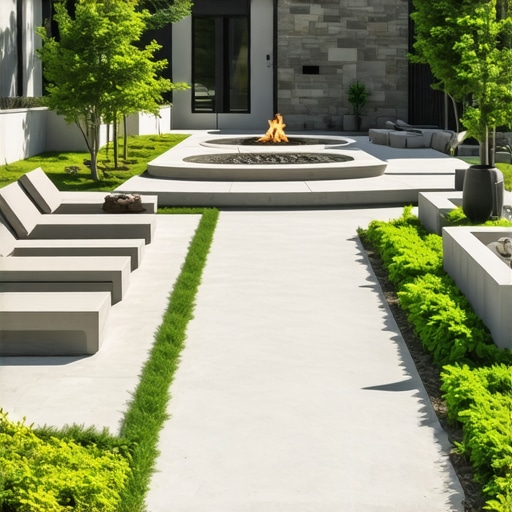
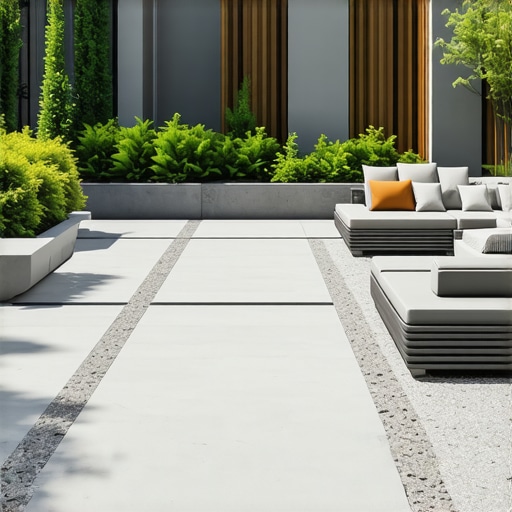
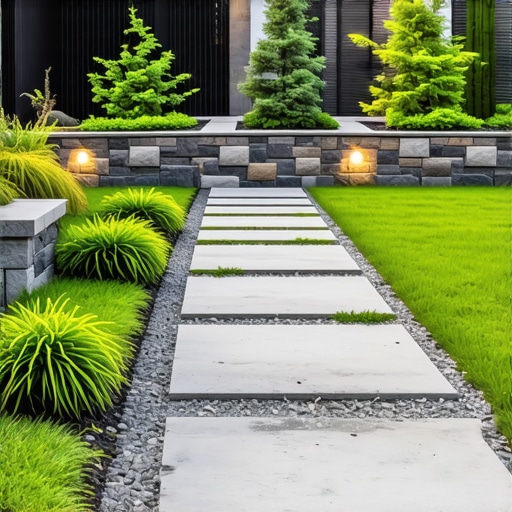
Reading this post really resonated with my own experience in transforming my backyard. I initially underestimated the importance of proper base preparation, but once I invested in good grading and drainage, the durability of my hardscaping improved tremendously. It’s so true that cutting corners with cheap materials or skipping professional help can lead to costly repairs down the line. I’ve also found that incorporating lighting and functional features like a fire pit not only enhances usability but also adds a cozy ambiance for evening gatherings. One challenge I faced was maintaining my stone pathways, especially during winter, but sealing and regular cleaning with the right equipment, like a pressure washer, made a big difference. For others embarking on this journey, what tools or maintenance routines have you found most effective in keeping your hardscape looking pristine? It’s a satisfying process that truly elevates your outdoor living space.
I completely agree with the post’s emphasis on quality materials and proper planning. From my experience, overlooking drainage and base prep can lead to long-term headaches, even with the most beautiful stones or pavers. Since I installed my own patio last summer, I’ve realized that investing in a quality compacting plate and laying a good gravel foundation made a huge difference in stability and durability. Additionally, I’ve started using LED landscape lighting to highlight the hardscape features at night, which not only adds to ambiance but also improves safety.
One thing I’ve found helpful is incorporating flexible, low-profile edging around pathways and borders—this helps in maintaining clean lines and keeping soil or mulch in place. Also, regular sealing, especially after a harsh winter, has helped prevent staining and cracking.
Have others found that combining softer, garden elements with your hardscaping enhances overall cohesion? I think integrating textures and plantings really brings the whole project together.
This post really hit home for me because I’ve learned firsthand how critical proper planning and material choice are when it comes to hardscaping. I recently replaced my old concrete patio with large sandstone pavers, and the difference in durability and aesthetic appeal is incredible. I’ve also found that adding LED pathway lights makes a huge impact at night, making the space both safer and more inviting. One challenge I’ve faced is keeping the pavers clean and stain-free, especially after heavy rains. Regular sealing and using eco-friendly cleaning solutions have helped immensely. I’d love to hear from others—what’s been your biggest hurdle with maintaining your hardscape, and how did you overcome it? I believe these small but consistent efforts really pay off in the long run. Moreover, do you have any favorite tools or products that help you keep your outdoor hardscape in top shape? It’s satisfying to see the transformation, and I think focusing on proper maintenance is just as important as the initial design.