Why Robotic Mowers Fail on 2026 Zoysia Lawns
The Turf Nightmare: When Smart Mowers Meet Dense Zoysia
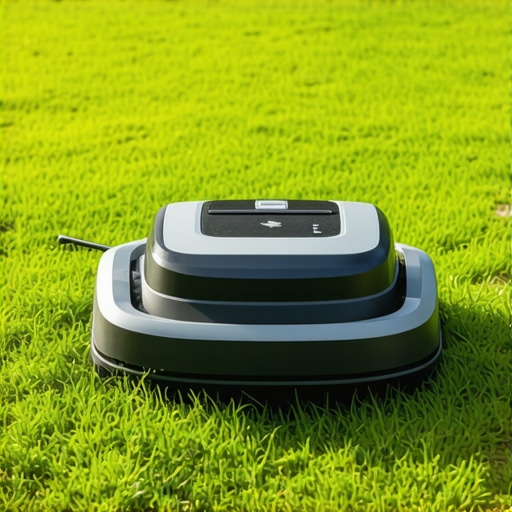
Robotic mowers fail on 2026 Zoysia lawns because the extreme stolon density and high-silica blade structure of modern cultivars create high torque resistance that triggers obstacle-detection sensors, while the mower’s micro-wheels cause severe soil compaction and crown damage on uneven grades. It is a classic clash between high-tech hardware and biological reality. Homeowners expect a golf-course finish but end up with rutted, yellowing turf and a stranded $3,000 machine. I always drill into my new crew members: if you don’t fix the soil grading first, every plant you put in the ground is just expensive compost, and that goes double for installing high-end turf that you expect a robot to manage.
The Chemical Nightmare: When DIY Care Destroys Zoysia Roots
Just last season, a homeowner called me in a panic after they completely torched their front lawn by applying a heavy dose of quick-release synthetic nitrogen fertilizer during a spring cold snap. They wanted a quick green-up to show off for their neighbors, but instead, they caused severe soil burn, destroyed the delicate soil microbiology, and left the lawn highly susceptible to Large Patch fungus. Zoysia is a slow-growing grass that requires patience, precise NPK ratios, and deep soil care. Slapping cheap chemical fertilizer on it is like feeding a marathon runner nothing but high-fructose corn syrup. It looks okay for a minute, then everything collapses. We had to core-aerate, apply liquid humic acids, and top-dress with composted organic matter to restore the biological balance.
“Zoysia grasses establish a dense, tightly knit canopy that presents unique mechanical resistance compared to cooler-season grasses, requiring specialized cutting frequencies and sharp, high-velocity blades to prevent tearing and turf stress.” – Texas A&M Agrilife Extension
The Anatomy of the Zoysia Obstacle
Modern Zoysia cultivars like Zeon, Emerald, and L1F are prized for their carpet-like thickness and deep green color. However, this density is exactly what defeats the light-duty motors found in most robotic mowers. Zoysia leaves are packed with silica, making them physically tough to shear. When a robotic mower attempts to glide over a thick Zoysia lawn, the resistance climbs rapidly. The mower’s onboard computer interprets this sudden drop in blade RPM as hitting an obstacle, causing the machine to stop, reverse, and eventually shut down with an error code.
How much torque is required to cut Zoysia compared to Fescue?
Zoysia requires up to 40% more rotational torque to cut cleanly than Tall Fescue or Ryegrass. Standard robotic mowers utilize thin, razor-like blades that pivot on a spinning disc. These blades are designed for light-duty maintenance, not the heavy shearing action required for tough warm-season grasses. Instead of cutting the blade, the spinning disc often glides right over the tough Zoysia stems, pushing them down rather than shearing them off. Within 24 hours, the grass bounces back up, looking ragged and torn.
| Turf Attribute | Zoysia Grass (Zeon/Emerald) | Tall Fescue / Bluegrass | Robotic Mower Compatibility |
|---|---|---|---|
| Blade Silica Content | Very High | Low to Moderate | Severe blade wear on Zoysia |
| Canopy Density (Stolons/sq in) | High (Carpet-like) | Moderate (Clump-forming) | Robots struggle with Zoysia density |
| Weekly Growth Rate | Slow to Moderate | Fast (Spring/Fall) | Robot continuous cutting favors Fescue |
| Thatch Accumulation | High (Requires Verticutting) | Low to Moderate | Robots fail to penetrate thick Zoysia thatch |
| Soil Compaction Risk | High under micro-wheels | Low | Robotic wheel tracks damage Zoysia crowns |
The Micro-Wheel Compaction Loop
Robotic mowers cause severe, localized soil compaction along their boundaries because their small, solid-rubber wheels repeatedly travel the exact same guide-wire paths day after day. This concentrated traffic destroys soil structure, collapses macropores, and prevents oxygen and water from reaching the Zoysia root system. Zoysia is highly sensitive to soil compaction. Once the soil is compacted, water pools on the surface, creating the perfect environment for Pythium blight and other fungal pathogens. Your high-tech mower is essentially creating a highway of dead turf around your property.
Check the dirt. If you cannot easily push a screwdriver six inches into your lawn, your robotic mower has already compacted the subgrade. Don’t skip aeration.
Why do robotic mowers scalping the high spots on Zoysia lawns?
Because robotic mowers have low ground clearance and rigid undercarriages, they cannot conform to the micro-undulations of a typical residential yard, resulting in scalping on high spots and leaving long patches in depressions. Zoysia must be mown at a consistent height, typically between 1.0 and 1.5 inches for optimal health. When a robot scalps a high spot, it cuts directly into the brown, woody crown of the Zoysia plant. This kills the immediate growing point, leaving unsightly brown patches that take weeks to recover. Unlike Fescue, which recovers quickly from leaf buds, Zoysia grows from stolons and rhizomes that do not tolerate crown scalping.
The Essential Zoysia Lawn Care & Mowing Checklist
- Maintain Mowing Height: Keep warm-season Zoysia cut between 1.0 and 1.5 inches using sharp, high-velocity blades.
- Core Aerate Annually: Pull 3-inch plugs in late spring to relieve subsoil compaction and promote deep root development.
- Monitor Thatch Layer: Verticut the lawn if the thatch layer exceeds 0.5 inches to prevent robotic mower flotation.
- Sharpen Blades Frequently: Rotary or robotic blades must be sharpened or replaced every 25 hours of operation on Zoysia.
- Deep, Infrequent Irrigation: Apply exactly 1 inch of water per week in a single watering session to force roots deep.
The Subgrade Solution: Remediating Soil for Automation
If you are determined to use an autonomous mower on a high-end Zoysia lawn, you must treat the installation like a civil engineering project. You cannot simply drop a robot onto a poorly graded yard and expect success. The entire lawn area must be top-dressed, leveled, and compacted correctly to create a uniform, smooth plane. We recommend top-dressing with a 70/30 mix of washed masonry sand and organic compost to fill in low spots and create a stable, free-draining base that can support the constant traffic of a robotic unit without sinking.
“Water must move through the soil profile, not across the surface. Surface pooling is a structural failure of the subgrade, not a weather issue.” – USGA Green Section Record
It will rot. If your soil remains saturated due to poor drainage or robotic wheel ruts, the Zoysia roots will suffocate from anaerobic conditions within 48 hours. You must address the subgrade grading and drainage systems before introducing any automated machinery to the landscape.
![Why Your 2026 Grass Stays Brown After Rain [Dormancy vs Dead]](https://lawnmajesty.com/wp-content/uploads/2026/05/Why-Your-2026-Grass-Stays-Brown-After-Rain-Dormancy-vs-Dead.jpeg)